

In today’s fast-paced digital world, your brand identity is more important than ever. It’s not just about having a cool logo or a catchy slogan anymore. Your brand identity is the face of your business, the first impression you make on potential customers and the lasting image you leave in their minds. I’ve seen countless businesses struggle to stand out in the crowded online marketplace and I can tell you that a strong brand identity can make all the difference.
Think about it: when you’re scrolling through social media or browsing the web, what catches your eye? It’s usually the brands with a consistent, eye-catching presence. Research backs this up too. A study by Lucidpress found that consistent brand presentation across all platforms can increase revenue by up to 23%. That’s a big deal for any business, whether you’re just starting out or looking to grow.
But creating a strong brand identity isn’t easy. It takes careful planning, creativity and a deep understanding of your target audience. That’s where web design companies come in. They have the expertise and tools to help you craft a brand identity that not only looks great but also resonates with your customers and sets you apart from the competition.
Contents
- 1 Web Design Companies in Brand Building
- 2 Key Elements of Brand Identity
- 3 How Web Design Companies Align Your Online Presence?
- 4 Responsive Design on Brand Perception
- 5 User Experience (UX) Design for Strengthening Brand Loyalty
- 6 Building Brand Trust
- 7 Integrating Social Proof into Web Design
- 8 Expanding Your Brand’s Reach
- 9 Content Strategy in Reinforcing Brand Identity
- 10 Impact of Web Design on Brand Performance
- 11 Conclusion
- 12 Summary
Web Design Companies in Brand Building
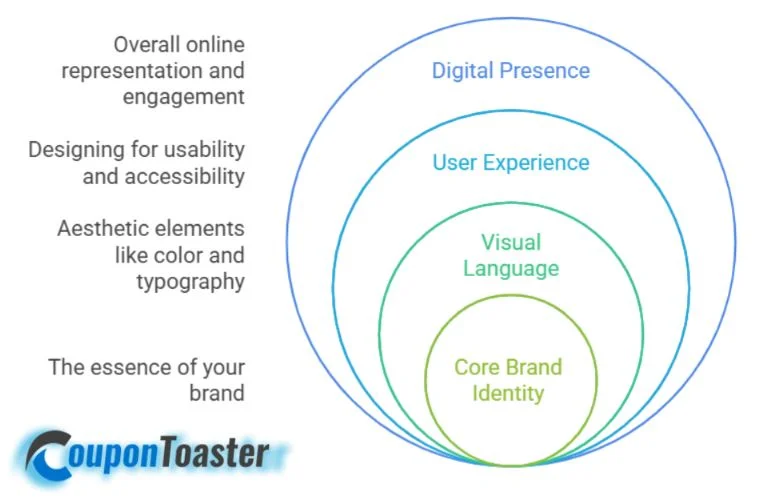
You might be wondering, “What exactly does a web design company do for my brand?” Well, let me break it down for you. Web design companies are like the architects of your online presence. They don’t just make pretty websites; they create digital experiences that embody your brand’s personality and values.
In my experience working with various businesses, I’ve seen how web design companies can transform a vague brand concept into a powerful online identity. They start by getting to know your business inside and out. They’ll ask about your goals, your target audience and what makes your business unique. Then, they use this information to create a cohesive visual language for your brand.
This includes everything from choosing the right color palette and typography to designing a user-friendly website layout and creating eye-catching graphics. But it goes beyond just aesthetics. A good web design company will also consider things like user experience, accessibility and how your brand translates across different digital platforms. According to a report by Adobe, 38% of people will stop engaging with a website if the content or layout is unattractive. That’s why having a professional web design team on your side is so crucial.
Key Elements of Brand Identity

When it comes to building your brand identity, web design companies pay attention to several key elements. Let’s dive into what these are and why they matter:
- Visual Design: This is probably what you think of first when you hear “brand identity.” It includes your logo, color scheme, typography and overall visual style. A study by the University of Loyola, Maryland found that color increases brand recognition by up to 80%. That’s why web design companies spend so much time getting these visual elements just right.
- User Experience (UX): This is all about how people interact with your brand online. Web design companies focus on creating intuitive, enjoyable experiences that keep visitors coming back. Did you know that 88% of online consumers are less likely to return to a site after a bad experience? That’s according to a study by Amazon Web Services.
- Content Strategy: Your brand’s voice and messaging are crucial parts of your identity. Web design companies help develop a content strategy that communicates your brand’s values and resonates with your target audience.
- Consistency Across Platforms: In today’s multi-device world, your brand needs to look great and function well on everything from smartphones to desktop computers. Web design companies ensure your brand identity is consistent and effective across all platforms.
- Search Engine Optimization (SEO): It is integral to making the website visible in search engine results, driving more organic traffic and building brand recognition.
How Web Design Companies Align Your Online Presence?
Web design companies play a crucial role in ensuring your online presence aligns perfectly with your brand goals. This alignment is essential for creating a cohesive and effective brand identity. Let me explain how they achieve this:
Firstly, web design companies start by conducting a thorough analysis of your brand’s objectives. They examine your mission statement, target audience and long-term business goals. This information forms the foundation for all design decisions. For instance, if your goal is to position your brand as innovative and cutting-edge, the web design company might incorporate modern, minimalist design elements and advanced interactive features into your website.
Secondly, these companies focus on creating a user journey that reflects your brand values. If your brand emphasizes customer service, for example, the website might feature prominently placed contact information, live chat options and user-friendly navigation. A study by Forrester Research found that a well-designed user interface could raise a website’s conversion rate by up to 200%, highlighting the importance of this alignment.
Lastly, web design companies ensure that all visual and textual elements on your website reinforce your brand message. This includes careful selection of images, crafting of copy and even the choice of interactive elements. The goal is to create a seamless brand experience that leaves a lasting impression on your visitors.
Responsive Design on Brand Perception
Responsive design is not just a technical requirement; it’s a crucial factor in shaping brand perception. Web design companies understand this and prioritize creating responsive designs that adapt seamlessly to different screen sizes and devices.
| Aspect | Details |
| Definition | Responsive design adapts seamlessly to different screen sizes and devices |
| Importance | 61% of users unlikely to return to problematic mobile sites; 40% visit competitors instead |
| Approach | Mobile-first mindset; consistency across smartphones, tablets and desktops |
| Brand Impact | Reinforces brand identity; provides professional image across all devices |
| Key Components | Optimized load times; easy touch screen navigation; accessible features and content |
| User Experience | Well-executed responsive design enhances overall user experience |
| Brand Perception | Positively influences how users perceive the brand |
A well-executed responsive design enhances user experience, which in turn positively influences how users perceive your brand.
User Experience (UX) Design for Strengthening Brand Loyalty
User Experience (UX) design is a powerful tool that web design companies use to strengthen brand loyalty. UX design focuses on creating meaningful and relevant experiences for users, which can significantly impact how they perceive and interact with your brand.
At it’s core, good UX design is about understanding your users’ needs and preferences. Web design companies conduct user research, create user personas and map out user journeys to inform their design decisions. This user-centric approach ensures that your website not only looks good but also provides value to your target audience.
One key aspect of UX design is usability. A website that is easy to navigate and use creates a positive association with your brand. According to a study by Forrester, every dollar invested in UX brings 100 dollars in return, demonstrating the significant impact of good UX on business success.
Web design companies also focus on creating emotional connections through UX design. This might involve using storytelling elements, interactive features or personalized content to engage users on a deeper level. When users have positive emotional experiences with your brand, they’re more likely to become loyal customers and brand advocates.
Building Brand Trust
Trust is a fundamental element in the relationship between a brand and it’s customers. Web design companies play a crucial role in building and reinforcing this trust through thoughtful design choices. A well-designed website serves as a digital storefront, often providing the first impression of your brand to potential customers.
Web design companies employ several strategies to enhance brand trust. First, they focus on creating a professional and polished appearance. A study by Stanford Web Credibility Research found that 75% of users make judgments about a company’s credibility based on their website design. This underscores the importance of a clean, modern and well-organized design in establishing trust.
Security is another critical factor in building trust. Web design companies implement visible security features such as SSL certificates, secure payment gateways and privacy policy pages. They also ensure that your website complies with data protection regulations, which is increasingly important to consumers.
Transparency is also key to building trust. Web design companies incorporate elements that showcase your brand’s authenticity, such as customer testimonials, case studies and “About Us” pages that tell your brand’s story. These elements help humanize your brand and make it more relatable to your audience.
Integrating Social Proof into Web Design
Social proof is a powerful psychological phenomenon where people assume the actions of others in an attempt to reflect correct behavior for a given situation. Web design companies leverage this concept to enhance your brand’s credibility and persuade potential customers.
One effective way web design companies incorporate social proof is through customer testimonials. They strategically place positive reviews and feedback from satisfied customers throughout your website. According to a survey by BrightLocal, 91% of consumers read online reviews before making a purchase decision, highlighting the importance of this design element.
Another form of social proof is the display of trust badges or certifications. These might include industry awards, security certifications or partnerships with well-known brands. Web design companies carefully integrate these elements into the design to boost credibility without cluttering the interface.
User-generated content is another powerful form of social proof. Web design companies might incorporate features that display customer photos, reviews or social media posts. This not only provides authentic validation of your brand but also fosters a sense of community around your products or services.
Expanding Your Brand’s Reach
Accessibility in web design is not just a legal requirement; it’s a crucial aspect of expanding your brand’s reach and demonstrating social responsibility. Web design companies prioritize accessibility to ensure that your website can be used by all individuals, including those with disabilities.
Implementing accessibility features opens your brand to a wider audience. According to the World Health Organization, about 15% of the global population lives with some form of disability. By making your website accessible, you’re potentially increasing your market reach by millions of users.
Web design companies incorporate various accessibility features into your website. These may include providing alternative text for images, ensuring proper color contrast for readability and making the site navigable via keyboard for those who can’t use a mouse. They also ensure that your website is compatible with screen readers and other assistive technologies.
Beyond expanding your reach, an accessible website improves your brand’s image. It demonstrates that your brand values inclusion and equality, which can resonate positively with all users, not just those with disabilities. This commitment to accessibility can set your brand apart in a crowded market and foster goodwill among consumers.
Content Strategy in Reinforcing Brand Identity
While visual design is crucial, content plays an equally important role in reinforcing your brand identity. Web design companies work closely with content strategists to ensure that the words on your website align with your brand voice and values.
A well-crafted content strategy helps maintain consistency across all your digital touchpoints. This consistency is vital for brand recognition and recall. According to a study by Lucidpress, consistent brand presentation across all platforms can increase revenue by up to 23%.
Web design companies help develop a content hierarchy that guides users through your website in a way that tells your brand story. They strategically place key messages and calls-to-action to maximize impact and drive user engagement. This might involve creating compelling headlines, crafting persuasive product descriptions or developing engaging blog content that showcases your brand’s expertise.
Moreover, web design companies ensure that your content is optimized for search engines without compromising your brand voice. They implement SEO best practices, such as using relevant keywords and meta descriptions, to improve your website’s visibility while maintaining the integrity of your brand messaging.
Impact of Web Design on Brand Performance
To ensure that the web design efforts are truly improving your brand identity, web design companies employ various metrics and analytics tools. These measurements provide concrete data on how design changes impact user behavior and brand perception.
Key performance indicators (KPIs) that web design companies often track include bounce rate, time on site, pages per session and conversion rates. A decrease in bounce rate or an increase in time on site, for example, can indicate that users find your website more engaging and relevant to their needs.
Web design companies also use heat mapping tools to visualize how users interact with your website. This data can reveal which design elements are most effective at capturing user attention and driving desired actions. A/B testing is another common technique used to compare different design elements and determine which performs better in terms of user engagement and conversions.
Customer feedback is another crucial aspect of measuring brand performance. Web design companies may implement surveys or feedback forms to gather direct input from users about their experience with your website and brand. This qualitative data can provide valuable insights into how your brand is perceived and areas for improvement.
Conclusion
Web design companies play a pivotal role in shaping and enhancing your brand identity in the digital landscape. Through their expertise in visual design, user experience, content strategy and technical implementation, these companies create a cohesive online presence that resonates with your target audience and sets you apart from competitors.
The impact of effective web design on brand identity is far-reaching. It builds trust, enhances credibility, improves user engagement and ultimately contributes to business growth. By focusing on key elements such as responsive design, accessibility, color psychology and cross-channel consistency, web design companies ensure that your brand makes a strong and lasting impression across all digital touchpoints.
Moreover, the work of web design companies extends beyond the initial creation of your website. Through ongoing maintenance and performance optimization, they help your brand stay relevant, secure and effective in an ever-evolving digital environment.
Summary
Web design companies play a crucial role in enhancing brand identity in the digital realm. They focus on creating responsive, user-friendly websites that adapt seamlessly across devices, ensuring a consistent brand experience. These companies leverage color psychology, accessibility features and content strategy to reinforce brand messaging and values. By implementing social proof elements and prioritizing user experience, they build trust and credibility. Regular maintenance and performance optimization keep the brand relevant and secure. Ultimately, professional web design translates a brand’s essence into a compelling digital presence, setting businesses apart in the competitive online marketplace and driving long-term success through improved user engagement and brand perception.