

People work with all types of objects in all kinds of conditions. They work with metals, food, fabrics, humans, plants, woods, glass, and animals. Which of these do you think is the more preferred? Most individuals know that working with animals is exceptional. This is especially true for people who classify as “animal lovers.” While some people work with wild animal species like lions, elephants, bears, whales, and dolphins, others prefer tamer species. There is a job for every animal lover, whether you enjoy training, breeding, treating, grooming, or housing. Depending on your career goal, it is possible to travel the world doing what you love best: working with animals.
If you have a knack for dealing with racehorses, there are plenty of job opportunities. There are thousands of racehorse farms in the United States alone. Lexington, Kentucky; Ocala, Florida; Wellington, Florida; and Louisville, Kentucky. There are also some lesser-known horse farms scattered throughout the United States.
Contents
Why Becoming A Racehorse Trainer?
Working with racehorses is a dream for many young people. Children who grow up around horses tend to be drawn to the racehorse industry. However, some have never so much as rode a horse but still want to become a trainer. Whatever the case, it is possible to make this dream a reality. Becoming a racehorse trainer is possible with the right tools, training, mindset, and drive.
Horse racing is a popular sport in the United States. People from all walks of life place wagers on all kinds of horse races.
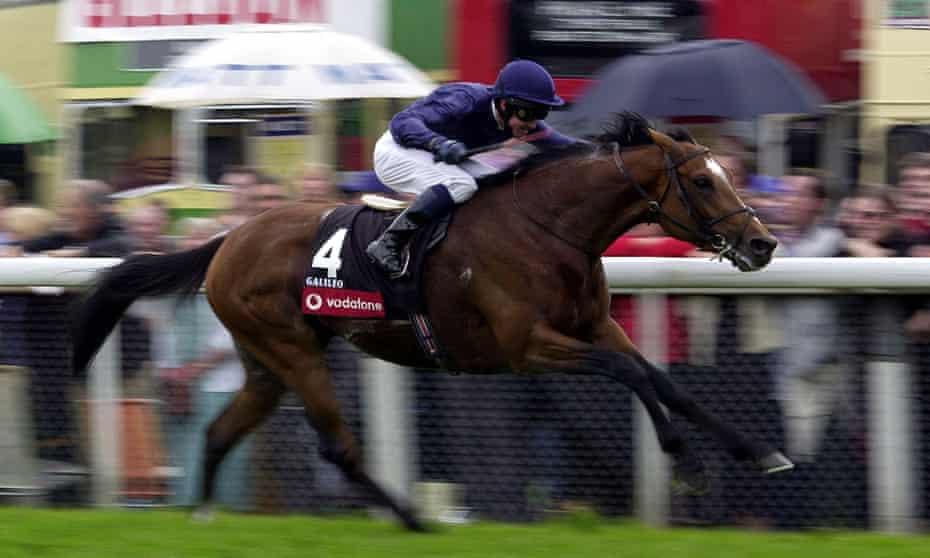
Not Everyone Can Be A Racehorse Trainer
Racehorse training is not for everyone. Many people have entered the industry to discover later on that it was the wrong career path. When this happens, the only option is to restart from scratch. Unless you want to find yourself in the same predicament, you must know if you have the characteristics to be a good racehorse trainer.

At first glance, training racehorses may seem like a pie job. Unfortunately, nothing is at it ever seems, including racehorse training. To be a reputable racehorse trainer, you must possess empathy, patience, cheerfulness, confidence, compassion, and sensitivity.
When you work with racehorses, you also work with their owners and professionals from other disciplines. With this in mind, you must possess exemplary people, problem-solving, critical thinking, leadership, interpersonal, management, and multitasking skills. If you do not possess these skills, it would be best to turn your attention to another profession.
Racehorse Training Duties
Someone who has never dealt with animals may think that racehorse training is just that. This is an unfortunate way of thinking for everyone involved. If you approach this as a regular job, you can expect to fail immediately.
Racehorse training is much more than training horses. It is about creating an effective training regimen for you and the racehorses. It is also always implementing the training regimen to ensure maximum effectiveness.
Racehorses tend to respond better to specific trainers. Like all animal breeds, racehorses have a special sense that allows them to pick up on anything that gears on negativity. If you ever expect the racehorses to respond to your commands, you need to possess the aforementioned personality traits.
Racehorse Training Responsibilities
Training begins with teaching young racehorses to adapt to riding equipment, such as bridles, bits, reins, saddles, saddle pads, leads, girths, protection boots, blankets, and ear nets. Each piece of riding equipment must be introduced individually and gradually. You must remember the young racehorse has never seen this type of equipment before.
In the meantime, you must create an exercise regimen that works for a young racehorse. As the animal matures, the exercise regimen must be altered accordingly. The regimen must include a variety of exercises, including riding, hand-walking, groundwork, lunging, stretching, leading, and circling.
It is important to remember that some racehorses will respond better than others. The stubborn ones will need more work, which means more time, dedication, and patience from the trainer.
Specialised Training Techniques for Different Racing Styles
Once a horse has developed a solid foundation, it’s time to focus on specialised training techniques tailored to specific racing styles. Advisors should be well-versed in the nuances of different race types and distances, as each requires a unique approach to training.
Sprint Training
Sprint races, typically covering distances of 5-6 furlongs, demand explosive speed and quick acceleration. Training for sprinters should focus on:
- Short, high-intensity workouts to build fast-twitch muscle fibres.
- Gate training to ensure quick and clean starts.
- Interval training to improve anaerobic capacity.
Advisors should emphasize the importance of not overworking sprinters. These horses must maintain their explosive energy, so training sessions should be shorter but more intense than those for longer-distance runners.
Middle-Distance Training
Races covering 7-10 furlongs require a balance of speed and stamina. Training for middle-distance runners should include:
- A mix of sprint work and longer gallops to develop both speed and endurance.
- Pace work to teach the horse to conserve energy for a strong finish.
- Hill works to build strength and cardiovascular fitness.
Advisors should stress the importance of teaching these horses to relax during the early stages of a race, conserving energy for a decisive stretch run.
Long-Distance Training
Staying races beyond 12 furlongs demands exceptional stamina and mental toughness. Training for these events should focus on:
- Long, slow gallops to build aerobic capacity.
- Extended interval training to improve lactate threshold.
- Mental conditioning helps the horse maintain focus over long distances.
Advisors should highlight the need for patience in training stayers. These horses often take longer to reach their peak but can enjoy long and successful careers with proper conditioning.
Summary
Advising on-the-job training for racehorses is a complex and multifaceted task that requires a deep understanding of equine physiology, psychology, and the intricacies of the racing world. Every aspect is crucial in developing a successful racehorse, from early development to specialised training techniques, from nutrition to mental conditioning.
The key to effective advising lies in recognising the individuality of each horse and the need for flexible, adaptable training programs. By combining traditional horsemanship with modern technology and scientific insights, advisors can help trainers bring out the best in their equine athletes.