

The urgency to reduce carbon footprints is substantial across a myriad of industries, particularly for global ones such as the maritime sector. Currently, the maritime sector consumes 300 million tons of fuel every year and contributes to 3% of global carbon emissions. The increasing standards made by the International Maritime Organisation have triggered research and development of green technology for the sector, with many looking to create and apply more innovative measures in order to comply with the new regulations.
However, more than just reducing carbon emissions is involved in ensuring the marine industry adopts environmentally responsible and sustainable practices, from transitioning from fossil fuels to more sustainable energy sources and abiding by present and future environmental standards. With pressure mounting on the maritime sector to implement more environmentally sustainable practices, businesses, owners and operators within the industry are looking to greener processes and practices when it comes to their day-to-day operations. Taking into account how expensive (and relatively new) renewable energy is, green retrofitting is becoming an increasingly viable option. This is largely because the technology needed to build carbon-neutral vessels is still out of reach. If the maritime industry going to fully decarbonise by 2050, all vessels operating across the industry will need to be retrofitted in the next three decades.
So what is green retrofitting? And how does it differ from a new build in the maritime industry?
Contents
New Builds in The Maritime Industry
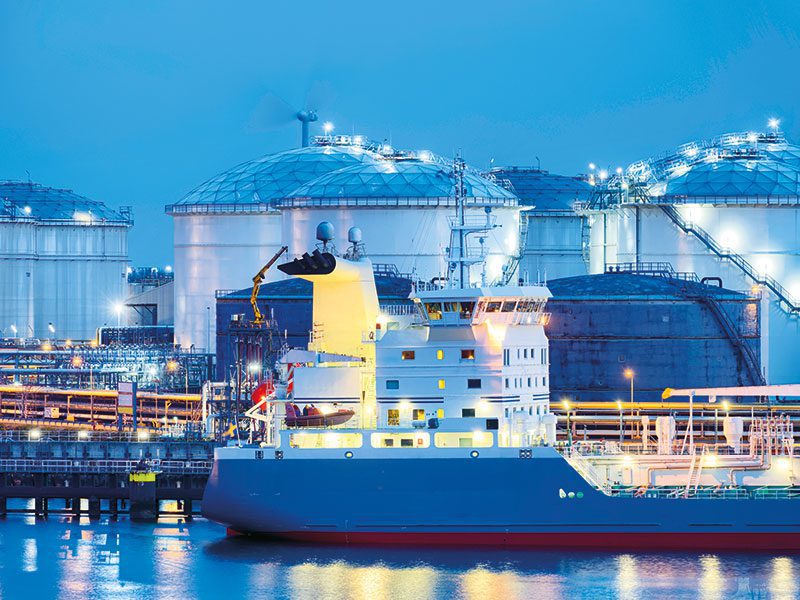
As the name suggests, a new build in the maritime industry refers to the design, development and engineering of a new piece of equipment or infrastructure. Commonly used to describe a new vessel or ship, new builds have been more cost-effective and presented fewer challenges in the past than a retrofitting project. However, in recent years, the humble ship refit, as well as the concept of ‘green retrofitting’, have both become more viable options. This is particularly pertinent as more and more businesses looking to implement more environmentally sustainable practices.
What is Green Retrofitting?

Green retrofitting is a widely used term that can be applied to a number of services across a myriad of industries. In a general sense, green retrofitting is the sustainable refurbishment of existing infrastructure for the purpose of reducing its existing carbon footprint and thus making it more environmentally friendly. In the maritime sector, green retrofitting is often used to describe the refurbishment and refit of vessels, ships and boats as well as the onshore infrastructure found at ports.
Most vessels will eventually have a mid-life upgrade or refit at some point. This is because every owner/operator has specific requirements, which are typically fulfilled in a dry dock or port harbour. With a number of processes, practices and strategies available that can be implemented onboard a vessel, green retrofitting has become a means of upgrading a vessel while also futureproofing its operations and easing its environmental impact. Dry docking is still an option for some green retrofitting projects. However, when smaller projects are done bit by bit, green retrofitting can translate into a more cost-effective process overall. This is especially pertinent when you consider how expensive and time-consuming dry docking can be.
There are no fixed criteria for what constitutes green retrofitting. This is because it depends on a variety of different elements and components, including the challenges and difficulties the project presents as well as any goals or deliverables. This is particularly pertinent for the maritime sector which relies on a diverse mix of onshore and offshore infrastructure to ensure continuity in its day-to-day operations. From improving the aerodynamics of a vessel to switching out fossil fuels for renewable energy, green retrofitting.
Forging a Greener Future
While the pathway to a carbon-neutral maritime sector is fraught with complexities, the process of green retrofitting the sector’s onshore and offshore infrastructure has the potential to catalyse green development across the industry as well as other closely related sectors. It also brings the maritime sector one step closer to decarbonisation.
One of the most serious environmental impacts of the maritime sector’s operations is the production of greenhouse gases, particularly carbon. This is especially pertinent when you consider the nature of the shipping and transportation sector, which is regarded as a key component of the world economy.
It goes without saying that the maritime sector needs to switch to a carbon-neutral fuel for regulatory and environmental concerns. However, it might be years before the sector can completely rely on renewable energy sources alone.
The maritime sector must look at ways to improve its current assets and infrastructure while also ensuring maximum energy efficiency in order to lessen its environmental impacts. This includes reducing the sector’s excessive carbon footprint. The long-term nature of the vessels, which represent sizeable investments and global operating costs, further emphasises the need for more energy-efficient and environmentally friendly processes. Owners and operators can extend the life of their fleet and reduce expensive fuel usage by choosing to green retrofit an existing vessel rather than using the resources and labour required for a new build. This method, which effectively streamlines and optimises a vessel, is more environmentally future-proof and sustainable than engineering a ship from scratch.
Final Thoughts
Green retrofitting may seem like a trendy buzzword in the maritime sector right now, but what does it mean? What does the practice of green retrofitting imply for the future of the maritime sector? For the maritime industry, its stakeholders, business owners and clientele, it means a more environmentally friendly, cost-effective alternative to new builds that futureproofs the day-to-day operations of a vessel and reduces the carbon footprint of the sector as a whole.
Of course, green retrofitting isn’t the only way forward when it comes to sustainability. The idea of switching out fossil fuels for renewable energy, ditching single-use plastic and implementing green corridors all pose a more environmentally sustainable future for the maritime sector. The question on everyone’s lips is no longer how or what, but when.