


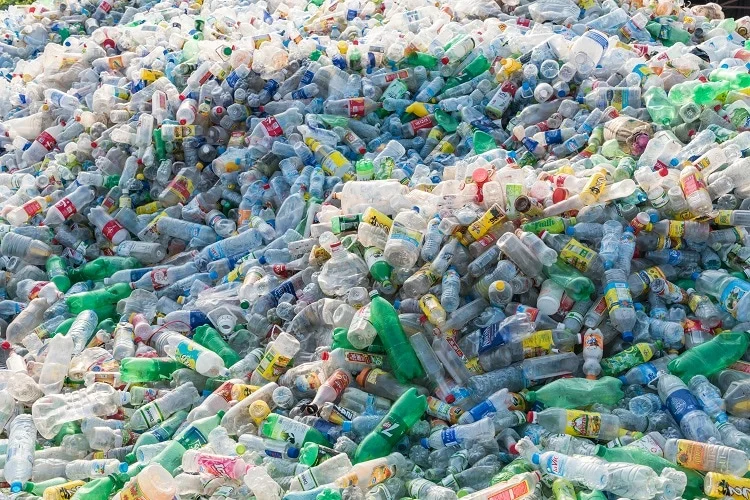
Plastic is an extremely useful material in the modern world. This is due to its adaptability, toughness, affordability and widespread availability. However, our reliance on plastic has also had a significant impact on our planet. Its accumulation is endangering species, destroying ecosystems and contributing to widespread waste, which is having a devasting impact on our oceans and marine life.
As a number of global industries and sectors strive for a more sustainable future, one with better resource management, single-use plastic waste represents unjustifiable excess. The maritime industry is no different. When it comes to environmental sustainability, plastic pollution is one of the most challenging issues the sector is facing. However, implementing more environmentally sustainable processes also presents an opportunity for collaboration. In the next decade, owners and operators alike must address the maritime industry’s high consumption of single-use plastic. This includes the use of single-use water bottles both onshore and at sea.
So what is the problem with plastic? And how can the maritime sector ditch single-use plastic and work towards a more sustainable future?
The Problem
Plastic is made using carbon fuels. The process of creating plastic is also resource-intensive and relies heavily on processes that produce enormous greenhouse gas emissions. For example, the process of creating a single one-litre plastic water bottle uses more than eight litres of water. Given climate change and resource scarcity, it’s no wonder single-use plastic has come to represent waste and excess. It’s also terrible for the planet and can take up to 500 years to decompose.
From takeaway containers to plastic water bottles, plastic comes in all shapes and sizes – and it’s omnipresent in our oceans. Although ocean pollution originates from many different sources, the majority comes from the maritime industry. It can cause a diverse array of environmental, economic, safety, health and cultural impacts.
Although the maritime industry has gradually shifted towards more environmentally sustainable processes in the last ten years, it continues to rely largely on fossil fuels with high carbon content. It’s also largely reliant on single-use plastic.
The Challenge
Ditching single-use plastic should be a global concern. So what’s the solution for large industries such as the maritime sector? Ocean-going vessels carry more than 90% of global trade. This means shutting down operations simply isn’t a viable option. However, with the maritime sector contributing 3% of global carbon emissions every year, it is clear something must be done.
In 2021, the Marine Environment Protection Committee, a committee within the International Maritime Organization, adopted a strategy to address plastic pollution from vessels and ships. The strategy aims to reduce waste from fishing vessels, reduce the shipping sector’s contribution to marine pollution and improve the facilities and treatment infrastructure needed onshore. The strategy also endeavours to achieve zero plastic waste from vessels across the sector by 2025.
Reusable plastic has been suggested as a solution. However, reusable plastic is just as resource-dependent as single-use plastic. As toxins can also leach into liquids more readily, using any kind of plastic could also put the physical well-being of both seafarers and passengers at risk. This is where sustainable materials such as stainless steel really shine.
The Solution
In the maritime industry, the solution for plastic pollution lies in the reduction of waste. This could be as simple as switching to reusable bottles made from stainless steel as well as opting for more environmentally friendly marine water solutions at sea. Doing so will require collaboration across the entire maritime industry, as well as in-depth training for seafarers and onshore staff.
As well as plastic water bottles, the maritime industry also relies on single-use packing materials and cleaning supplies as well as paper products, food waste, paints, solvents and chemicals. Much like replacing single-use water bottles, opting for reusable containers made from durable stainless steel may be the solution. Paper products and food waste should also be disposed of properly when appropriate. As for paints, solvents and chemicals, carefully packaging materials at sea to prevent leakage means any waste could be disposed of properly onshore. However, the right treatment facilities and infrastructure would be needed onshore. So at the end of the day, the answer lies in global collaboration across the maritime industry’s various stakeholders, owners and operators. With careful preparation, ditching single-use plastic and other products could preserve our oceans and bring our planet back from the brink.
Conclusion
So what is the problem with plastic? And how can the maritime sector ditch single-use plastic and work towards a more sustainable future?
Although plastic is an extremely useful material in the modern world, its impact on our planet should not be ignored. It may be adaptable, tough, affordable, widely accessible and hugely convenient. However, it’s also having a devasting impact on our planet. The accumulation of plastic is invading our oceans and infecting our marine life, resulting in widespread waste and the destruction of our precious ecosystems which is endangering species and destroying the natural world.
As we look towards a more sustainable future, single-use plastic waste represents unjustifiable excess and waste. However, when it comes to environmental sustainability, plastic pollution is one of the most challenging issues the maritime industry is facing. Ditching single-use plastic should absolutely be a global concern but considering ocean-going vessels carry more than 90% of global trade, it should come as little surprise that simply shutting down maritime operations simply isn’t an option. Doing so would result in significant damage to the global economy and plunge the world into catastrophe.
Implementing more environmentally sustainable processes presents an opportunity for collaboration across the maritime industry. Owners and operators alike must work together in the next decade to ultimately resolve their sector’s reliance on single-use plastics. Although this is easier said than done, the solution may lie in reusable bottles and containers engineered from environmentally friendly stainless steel.