


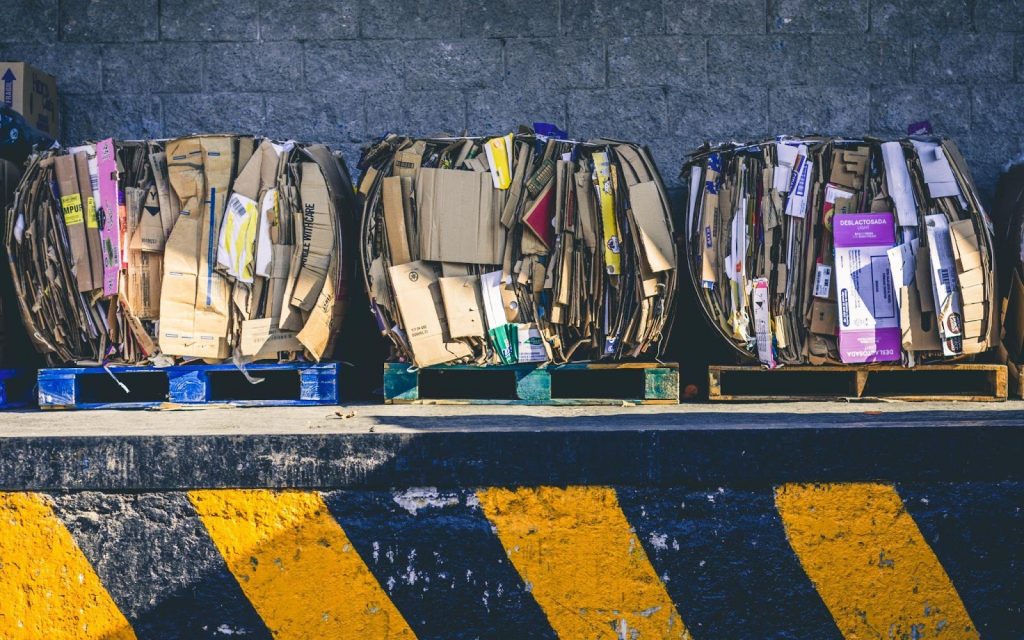
As populations grow and consumption patterns evolve, the amount of waste we generate rises alarmingly. This presents significant challenges for our environment, public health and the sustainable use of resources. Understanding the different types of waste management is crucial for addressing these challenges effectively.
Waste management encompasses various strategies and techniques designed to handle various types of waste, from everyday household refuse to hazardous industrial byproducts. Each type of waste management serves a specific purpose and plays a vital role in maintaining a clean, healthy and sustainable environment.
This article will discuss the 5 most common types of waste management. Keep reading to learn more!
Contents
- 1 What Is Waste Management and Why Is It Important?
- 2 What Are the 5 Most Common Types of Waste Management?
- 3 How to Make Waste Management Effective?
- 4 How Do You Choose the Right Type of Waste Management for Your Needs?
- 5 Different Types of Waste
- 6 What Can You Do to Reduce Waste?
- 7 Why Is It Important to Reduce Waste?
What Is Waste Management and Why Is It Important?
Waste management is the process of handling, transporting and disposing of waste materials. It includes both solid and liquid waste.
Waste management is important because it helps to protect the environment and public health. It also helps to reduce the amount of rubbish that goes into landfills.
Several companies in the UK help with that. To learn more, follow the link: https://anylondonwaste.co.uk/.
What Are the 5 Most Common Types of Waste Management?
The 5 most common types of waste management are:
- recycling
- composting
- waste reduction
- waste incineration
- landfills
Each waste management type has it’s unique set of benefits and drawbacks. Let’s take a closer look at each one.
Recycling
Recycling is a cornerstone of modern waste management, playing a crucial role in conserving resources and reducing the environmental impact of waste.
The Recycling Process
Recycling involves collecting, processing and remanufacturing used materials into new products. The process typically includes several steps:
- Collection: Materials are collected from households, businesses and other sources.
- Sorting: Different materials (e.g., paper, plastic, glass, metal) are separated.
- Processing: Materials are cleaned and prepared for remanufacturing.
- Remanufacturing: Processed materials are used to create new products.
Types of Recyclable Materials
Many types of materials can be recycled, including:
- Paper and cardboard
- Glass
- Metals (aluminum, steel, etc.)
- Plastics (although not all types are easily recyclable)
- Electronics (e-waste)
- Textiles
Each material requires different recycling processes and has different market demands for the recycled product.
Challenges in Recycling
While recycling offers numerous benefits, it also faces several challenges. Contamination of recyclable materials with non-recyclable items can reduce the efficiency of the process and the quality of recycled materials. There’s also the issue of market demand for recycled materials, which can fluctuate based on economic conditions and the price of virgin materials.
Education is another crucial aspect. Many people are unsure about what can and cannot be recycled, leading to either contamination of recycling streams or recyclable materials ending up in landfills.
Innovations in Recycling
Advancements in technology are continually improving recycling processes. For instance, optical sorting technologies can more efficiently separate different types of plastics. There’s also growing interest in chemical recycling, which breaks down plastics into their chemical components for reuse.
Composting
Composting is another popular type of waste management. It involves breaking down organic waste into a nutrient-rich soil amendment. Composting is a great way to reduce your waste and improve your garden simultaneously! However, it can be difficult to find a place to compost if you live in an urban area.
Waste Reduction
Waste reduction is a proactive approach to waste management. It involves reducing the amount of waste you produce in the first place. This can be done by choosing reusable over disposable products, repairing instead of replacing items and avoiding single-use packaging. Waste reduction is often the most effective and sustainable way to manage waste.
Incineration
Incineration is a waste treatment process that involves the combustion of waste materials. While controversial due to environmental concerns, modern incineration technologies have evolved to address many of these issues.
How Incineration Works
Waste incineration involves burning waste at high temperatures (usually above 850°C) in a controlled environment. The process reduces the volume of waste significantly, often by 90% or more. Modern incinerators, often called “waste-to-energy” plants, also capture the heat from the combustion process to generate electricity or provide district heating.
Types of Incineration
There are several types of incineration technologies:
- Mass burn incineration: The most common type, suitable for mixed municipal waste.
- Refuse-derived fuel (RDF) incineration: Uses pre-processed waste with higher calorific value.
- Fluidized bed incineration: Particularly suitable for homogeneous wastes like sewage sludge.
Advantages of Incineration
Incineration offers several benefits:
- Significant reduction in waste volume, reducing the need for landfill space.
- Energy recovery, turning waste into a resource.
- Destruction of certain hazardous wastes.
- Can handle a wide variety of waste types.
Environmental Concerns and Mitigation
Historically, incineration has been criticized for it’s environmental impact, notably air pollution. However, modern incinerators have sophisticated air pollution control systems that can remove most pollutants from the emissions. These typically include:
- Selective catalytic reduction (SCR) for nitrogen oxides.
- Activated carbon injection for mercury and dioxins.
- Baghouse filters for particulate matter.
- Scrubbers for acid gases.
Despite these improvements, concerns remain about the emission of greenhouse gases and the potential for toxic ash residue.
Landfills
One of the oldest and most common forms of waste management is landfill disposal. While often criticized for it’s environmental impact, landfills remain a necessary component of most waste management systems.
How Landfills Work
Modern landfills are far more sophisticated than the open dumps of the past. They are carefully engineered facilities designed to contain waste while minimizing environmental impact safely. The basic principle involves burying waste in layers, compacting it and covering it with soil or other materials.
Landfills typically have several key components:
- A bottom liner system to prevent leachate (a liquid that has passed through waste) from contaminating groundwater
- A leachate collection system to collect and treat this liquid
- A cover system to keep out rainwater and prevent the escape of landfill gas
- A gas collection system to capture methane and other gases produced by decomposing waste
Advantages and Disadvantages
Landfills offer several advantages. They can handle large volumes of waste and are relatively inexpensive to operate. Modern landfills can also capture methane gas for energy production, turning waste into a resource.
However, landfills also have significant drawbacks. They require large areas of land, which becomes unusable for other purposes for many years. Environmental contamination is always risky, particularly if the liner system fails. Landfills also contribute to greenhouse gas emissions, even with gas capture systems in place.
How to Make Waste Management Effective?
There are several critical components to effective waste management.
- Rubbish must be adequately sorted into categories, such as recyclables, hazardous materials and general refuse.
- It is important to reduce the amount of waste generated in the first place. This can be done through recycling, composting and intentional consumer choices (such as buying products with minimal packaging).
- Once the waste has been sorted and reduced, it must be properly disposed of. This typically involves taking it to a landfill or incinerating it.
How Do You Choose the Right Type of Waste Management for Your Needs?
There is no one-size-fits-all answer to this question. The best way to choose the right type of waste management for your needs is to educate yourself about the different options and their benefits and drawbacks. Once you understand the different types of waste management, you can make an informed decision about what will work best for you.
Different Types of Waste
Waste comes in many forms, but it can broadly be divided into two categories: hazardous and non-hazardous.
- Hazardous waste is materials known or suspected to be harmful to human health or the environment. This includes things like chemicals, batteries and asbestos.
- On the other hand, non-hazardous waste is materials that can be disposed of safely without posing a risk to public health or the environment. This includes things like paper, plastics and food waste.
While both types of waste need to be managed properly, the hazardous one requires special treatment to ensure that it does not cause harm. As a result, it is important to familiarise yourself with the different types of waste so that you can properly dispose of them.
What Can You Do to Reduce Waste?
If you’re looking for ways to reduce your waste, there are many things you can do. Here are a few ideas:
- use reusable shopping bags;
- bring your coffee mug;
- compost your food scraps;
- avoid single-use plastics;
- repair instead of replacing items.
Why Is It Important to Reduce Waste?
There are many reasons why it is essential to reduce waste. It can help save resources, reduce pollution and conserve energy. It can also help reduce the amount of waste in landfills.
Landfills are a significant source of pollution and they can take up a lot of space. By reducing the amount of waste we generate, we can help make a difference.
Conclusion
Waste management is a complex and multifaceted field crucial to protecting our environment and public health. From traditional methods like landfills to innovative approaches like anaerobic digestion, each type of waste management has it’s place in a comprehensive waste management strategy.
As we move towards a more sustainable future, the emphasis is shifting toward waste minimization and the circular economy. This involves better managing waste and fundamentally rethinking our relationship with materials and resources.
The challenges are significant. Growing populations, increasing consumption and the emergence of new types of waste, like e-waste, all add complexity to waste management. However, with continued innovation, public awareness and commitment to sustainable practices, we can work towards a future where waste is minimized and what remains is managed in ways that protect our environment and conserve our resources.