

Kratom is gaining a lot of attention due to the claims of users who have found the excellent benefits of this herbal medicine for their medical dilemmas. In addition, it is very popular for helping opioid addicts reduce and overcome their withdrawal symptoms when they decide to stop taking opioids.
Another known benefit of kratom is helping alcohol addicts stop their addiction by minimizing the withdrawal symptoms of alcohol the same way it does for opioids. It is best to understand kratom and alcohol withdrawal better before using this method to aid any withdrawal symptoms.
Contents
Alcohol Withdrawal
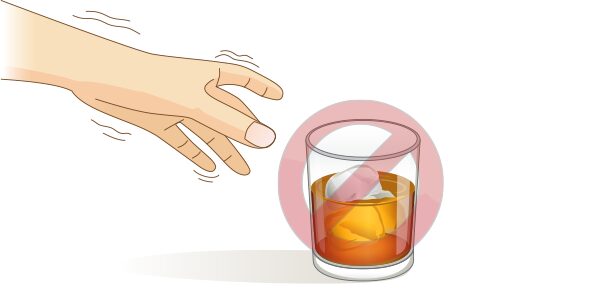
Before we dive into the role of kratom in alcohol withdrawal, it’s crucial to understand the nature of alcohol withdrawal itself. Alcohol withdrawal is a series of symptoms that occur when an individual who has been drinking heavily for a prolonged period suddenly stops or significantly reduces their alcohol consumption.
The Physiology of Alcohol Dependence
Alcohol is a central nervous system depressant that affects various neurotransmitter systems in the brain, particularly gamma-aminobutyric acid (GABA) and glutamate. With chronic alcohol use, the brain adapts to the constant presence of alcohol by increasing glutamate activity and decreasing GABA activity. This adaptation helps maintain balance in the brain’s functioning despite the ongoing depressant effects of alcohol.
When alcohol consumption suddenly ceases, this delicate balance is disrupted. The brain, accustomed to functioning in the presence of alcohol, now finds itself in a state of hyperexcitability. This imbalance manifests as the symptoms of alcohol withdrawal.
Understanding Kratom

Kratom is a drug that originates from the tropical plant Mitragyna speciosa, which is native to Southeast Asia and has been used there for a long time. Its use dates back to Thailand and Malaysia, when locals chewed the leaves or brewed tea to increase their energy and productivity and soothe physical aches and pains.
Additionally, it has been used in rituals for its psychoactive properties and for ages to relieve fatigue. Kratom is now widely accessible in various forms, such as dried or crushed leaves, tablets, capsules, and extracts.
The recreational drug market in the United States has seen a considerable increase in the popularity of kratom, which is now widely available online and in establishments that offer supplements and alternative treatments.
Even though the DFA didn’t approve kratom for any medicinal usage and the DEA has declared it to be a “drug of concern,” many individuals still use it. An estimated five million Americans are consuming kratom regularly in the form of tea, capsules, or directly eating the leaves.
The Effects of Kratom
Kratom has properties that are comparable to those of either opioids or stimulants. Mitragynine and 7-a-hydroxy mitragynine, the two major components of kratom, bind to specific brain receptors when consumed in small dosages to create stimulant effects.
It can then cause increased vitality, sociability, and attentiveness. In addition, high quantities of kratom’s chemical constituents cause sleepiness, pleasure, and pain relief by interacting with opioid receptors in the brain.
Compared to drugs like oxycodone, heroin, and methadone, mitragynine binds less strongly to brain receptors. This is because the opioid receptors in the brain are fully activated by these three drugs, which are full opioid agonists, which result in a potent or full opioid impact.
The Benefits of Kratom
In Asia, kratom has been a natural home medicine for centuries. It has traditionally been used to treat:
- Fatigue
- Pain
- Diarrhea
- Muscle cramps
Although some of these and other claims made by traditional medicine have received some backing from modern science, much more research is still required.
Today, kratom is still being used to aid a much larger array of health issues like the following:
- Enhancing libido
- Boosts mood
- Relieves pain
- Aids Depression
- Reduces anxiety
- Withdrawal from drugs and alcohol
- Appetite-suppressant
- Energy booster
- Sedative
The Effect of Alcohol
When drunk in excessive doses, alcohol depresses the central nervous system because it is a hypnotic sedative medication. Drinking too much alcohol at once can result in drowsiness, respiratory depression, coma, or even death.
Booze can be a stimulant at low levels, causing a sense of happiness and chattiness. Initial alcohol intake results in a dopamine release, which makes one feel energized and aroused.
How Kratom Aids Alcohol Withdrawal
Like opioid withdrawal, kratom is very effective in helping with alcohol withdrawal symptoms. A study concluded that By acting on -opioid receptors, the patient’s self-medication with kratom reduced the symptoms of alcohol withdrawal.
It appears that 15 g of kratom is equivalent to 45 mg of morphine. Doxepin (and diazepam) withdrawal medication clearly avoided the withdrawal symptoms of alcohol and kratom dependency.
Mixing Alcohol and Kratom
Many individuals are curious and ask: Can you mix kratom and alcohol?
As kratom abuse rises in the United States, so does the percentage of people who combine it with alcohol. To intensify the high from using kratom and strengthen the drug’s effects, people frequently combine kratom with alcohol.
So, mixing kratom and alcohol increases the risks. Because both of these medications have depressive effects, using them together has the potential to have a serious negative impact on the central nervous system.
As a result, there is a much higher likelihood of developing respiratory depression and other negative side effects.
The remains of around 152 people who died from drug overdoses have kratom traces. And 19 out of the 152 bodies also have traces of alcohol in their system. Since more studies still need to be run to understand kratom truly, you should avoid mixing these two substances.
So, what hapens when you mix kratom and alcohol? You will create a fatal drink that no one should consume.
Detox at Home With Kratom
If you have been consuming lower dosages of alcohol and kratom for a brief period, home detoxing after misuse may be effective. Nevertheless, inpatient detox is usually always recommended because of the side effects, withdrawal symptoms, and relapse risk.
If you’ve tried to detox at home before but were unsuccessful for any reason, it might be time to think about detoxing in a treatment facility where specialists can take care of your needs in a welcoming environment.
Alcohol and kratom will be progressively eliminated from the body during inpatient detox, allowing for physical recovery. Following detoxification, subsequent therapies like rehabilitation aid in addressing the psychological consequences and root causes of alcohol and kratom dependence.
But if you think that alcohol detoxification at home will benefit you more, then you should start looking where to order kratom online. This way you can have a reliable source of kratom when you start detoxification.
Risks and Considerations of Using Kratom for Alcohol Withdrawal
While kratom may offer potential benefits for managing alcohol withdrawal symptoms, it’s crucial to consider the risks and limitations associated with its use. Kratom is not without controversy, and its use comes with several important considerations.
Lack of Regulation and Standardization
One of the primary concerns surrounding kratom use is the lack of regulation in its production and distribution. In many countries, including the United States, kratom is classified as a dietary supplement rather than a medication. This means it’s not subject to the same rigorous testing and quality control standards as pharmaceutical drugs.
The lack of standardization can lead to significant variations in potency and purity between different kratom products. Some kratom products may be adulterated with other substances or contaminated with harmful bacteria or heavy metals. This inconsistency makes it difficult for users to predict the effects of kratom and increases the risk of adverse reactions.
Potential for Addiction and Dependence
While kratom is often touted as a tool for managing addiction to other substances, it carries its own risk of dependence. Kratom affects the same opioid receptors in the brain that are involved in opioid and alcohol addiction. Regular use of kratom can lead to tolerance, meaning users may need to take increasingly larger doses to achieve the same effects. For individuals struggling with kratom dependency, seeking help from a luxury rehab center can provide access to professional care, safe detox programs, and personalized treatment plans.
Moreover, some individuals who use kratom regularly report experiencing withdrawal symptoms when they stop using it. These symptoms can include irritability, anxiety, insomnia, and physical discomfort – ironically, some of the same symptoms that individuals might be trying to manage by using kratom during alcohol withdrawal.
Interaction with Other Substances
The use of kratom alongside other substances, including medications commonly prescribed during alcohol withdrawal, can potentially lead to dangerous interactions. Kratom may interact with benzodiazepines, antidepressants, and other psychoactive medications, potentially increasing the risk of side effects or reducing the effectiveness of these medications.
Furthermore, using kratom in combination with alcohol or other drugs can be particularly dangerous. The depressant effects of alcohol combined with the varied effects of kratom could potentially lead to respiratory depression, impaired judgment, or other serious health risks.
Legal Status and Accessibility
The legal status of kratom varies widely around the world and even within different regions of the same country. In some places, kratom is completely legal and easily accessible, while in others, it’s classified as a controlled substance and its possession or sale is illegal.
In the United States, kratom’s legal status is complex and evolving. While it’s legal at the federal level, several states and municipalities have banned or regulated its use. This legal ambiguity can make it challenging for individuals to access kratom consistently and safely, and it also complicates research efforts into its potential therapeutic uses.
Limited Scientific Research
Despite growing interest in kratom’s potential therapeutic applications, including its use in managing alcohol withdrawal, scientific research on the subject remains limited. Most of the information available about kratom’s effects on alcohol withdrawal comes from anecdotal reports and small-scale studies.
The lack of large-scale, controlled clinical trials means that the efficacy and safety of using kratom for alcohol withdrawal have not been conclusively established. This shortage of robust scientific evidence makes it difficult for healthcare providers to make informed recommendations about kratom use and for individuals to fully understand the potential risks and benefits.
FAQs
What is kratom and how does it relate to alcohol withdrawal?
Is kratom safe to use during alcohol withdrawal?
Can kratom help with alcohol cravings?
What are the potential risks of using kratom for alcohol withdrawal?
How does kratom compare to medical treatments for alcohol withdrawal?
Conclusion
Kratom is an effective way to help alcoholic patients lessen the struggles they experience due to the withdrawal symptoms of alcohol. However, combining kratom with alcohol is highly discouraged as it can be a recipe for disaster.
Additionally, kratom is also not good for being combined with other medicines and substances as it can be fatal. Always remember, before taking any supplements or alternative medicines, it is best to talk to your physician first. This way, you will know if it suits your situation, especially if you are taking OTC.