

When selecting the ideal garage door for your home, there are many factors you must consider. One of the critical decisions will be choosing an appropriate material, which affects its look and determines its durability, maintenance requirements, and overall performance.
In this article, we’ll outline the benefits and drawbacks of different garage door materials, from wood to aluminum garage doors, to help you make an informed choice that matches your needs and preferences.
Contents
Steel Garage Doors: Affordable and Durable
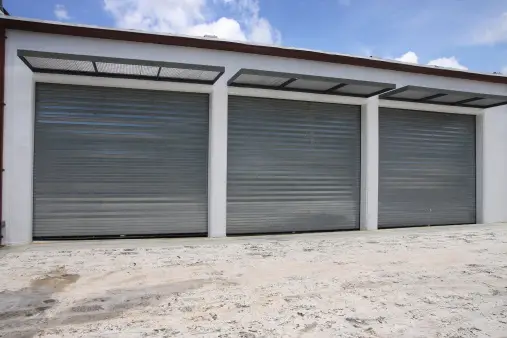
Steel garage doors have long been a top choice among homeowners for a good reason: their affordability and durability combine perfectly. Steel doors are widely known for their ability to withstand severe climates while remaining scratch-proof, making them the perfect option in areas that experience frequent severe storms or climate extremes.
However, it’s worth noting that steel doors can be prone to rust if not correctly maintained. Regular inspections and prompt treatment of any signs of rust are essential to ensure the longevity of your steel garage door.
Wood Garage Doors: Classic and Customizable
Wood garage doors provide a timeless and elegant aesthetic appeal that other materials cannot match. Here are some of the most significant benefits of wooden garage doors:
- Timeless Appeal: Wood exudes a timeless charm that adds elegance and sophistication to any home exterior. It offers a natural warmth and beauty that is difficult to replicate with other materials.
- Customization Options: Wood doors provide a wide range of customization possibilities. From different types of wood to various stains, finishes, and designs, you can create a garage door that perfectly complements your home’s architectural style and personal taste.
- Insulation Properties: Wood is a natural insulator, making wood garage doors excellent at regulating temperature and reducing energy costs. They can help keep your garage cool in the summer and warm in the winter, contributing to energy efficiency.
However, while you cannot deny their aesthetic value, wood doors require more upkeep than other materials. For example, you must regularly refinish them from weather damage as they are more susceptible to warping and rotting over time than their counterparts. Additionally, wood doors tend to cost more and represent a more significant investment than their alternatives.
Aluminum Garage Doors: Lightweight and Rust-Resistant

Aluminum garage doors may be ideal for anyone searching for lightweight and rust-resistant options. Aluminum’s natural resistance to rust makes it suitable for areas with high humidity or proximity to saltwater environments. Its lightweight nature also reduces strain on garage door openers, increasing the lifespan of the mechanical pieces.
Aluminum garage doors come in an assortment of finishes to fit in with the exterior design of any home, making it easier than ever to find something to complement its appearance. However, aluminum is less resilient than other materials, potentially denting easily under pressure. Thus, if durability is of particular concern to you, consider exploring alternative materials for your garage door installation project.
Fiberglass Garage Doors: Low-Maintenance and Weather-Resistant
Fiberglass garage doors combine low-maintenance convenience and weather resistance in one convenient package, offering years of use before any replacement becomes necessary. Furthermore, fiberglass is known for being highly resistant to denting, corrosion, and rotting, making it the ideal option in humid coastal regions or high-humidity regions.
One drawback of fiberglass doors is limited customization options with this material compared to other materials such as wood. This makes it much harder to fit aesthetically with your home or have any intricate details. Also, fiberglass doors can be more expensive than other materials, such as steel or aluminum.
Vinyl Garage Doors: Quiet and Energy-Efficient
Vinyl garage doors are among the quietest and most energy-efficient choices available today, providing your home with peace of mind while saving energy consumption costs. Vinyl doors feature quiet operation to maintain stability in the household environment while offering outstanding insulation properties to ensure you remain warm inside while significantly cutting energy consumption costs down.
Vinyl garage doors are known for being highly resistant to dent, scratch, and rust damage, maintaining their sleek appearance over time. However, vinyl doors may cost more than some alternative materials while possibly providing fewer customization options.
In Conclusion
Selecting the appropriate garage door material requires thoughtful consideration of various factors, including budget constraints, desired maintenance frequency, and climate considerations.
No matter which material you choose for your garage doors, proper care and upkeep are vital in guaranteeing durability and optimal performance. If you need help determining which option would work best for you, consult a professional garage door installer who can offer their expertise based on individual circumstances.
Now it’s your turn! Have you recently installed a garage door? If so, what material did you use?