

As an author and blog publisher specializing in home construction, I’ve seen firsthand how expensive building a home can be. Over the years, I’ve not only helped numerous clients navigate this complex process but also gone through it myself. Today, I want to share six tricks that have consistently helped my clients and me keep costs low and get homes built in record time.
Contents
Have a Detailed Plan
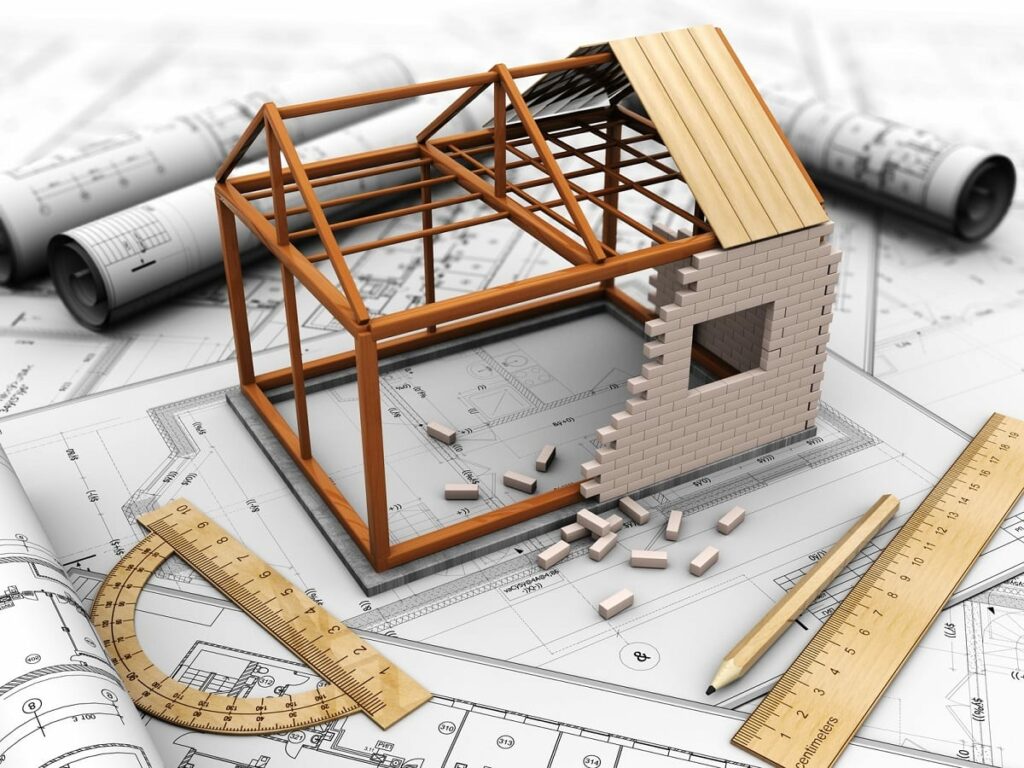
I’ll never forget my first home building project. I was so excited to get started that I rushed into construction without a solid plan. Halfway through, I realized I had overlooked crucial details, leading to costly changes and delays. This experience taught me the invaluable lesson of thorough planning.
One of my clients, Sarah, came to me frustrated with her ballooning budget. When we sat down to review her project, I noticed her plan lacked specifics. We spent a week detailing every aspect of her dream home, from materials to timeline. This comprehensive plan not only got her project back on track but also saved her nearly 20% of her original budget by eliminating unnecessary expenses.
Opt for a Cheaper Floor Plan

I was skeptical when I first heard about barndominiums, but after helping design one for a client, Tom, I became a convert. Tom wanted a spacious home but was working with a tight budget. We chose a barndominium floor plan, and the results were astounding. The simple, efficient design allowed us to create a beautiful 2,500 sq ft home for almost half the cost of a traditional build.
Inspired by Tom’s success, I incorporated barndominium designs into my own vacation home project. The steel framing not only cut costs but also provided excellent durability against the coastal weather. It’s a decision I’ve never regretted.
Build a Small House
One of my most memorable clients was a young couple, Alex and Jamie. They dreamed of homeownership but were discouraged by the costs. I introduced them to the concept of a tiny house, and together we designed a 500 sq ft marvel. By focusing on smart storage solutions and multi-functional spaces, we created a home that felt spacious despite its small footprint. They completed construction in just four months and saved over 60% compared to building a standard-sized home.
This experience inspired me to downsize my own living space. I now live in a 800 sq ft home that I designed and built myself. It’s taught me the value of simplicity and efficiency in home design.
Use Recycled Materials
My passion for recycled materials started when I stumbled upon a warehouse full of reclaimed wood from an old barn. I used this wood to create stunning accent walls in my home office, saving thousands on materials while adding unique character to the space.
I’ve since helped many clients incorporate recycled materials into their builds. One client, Maria, was renovating an old Victorian home. We sourced antique doors and windows from a salvage yard, which not only preserved the home’s historic charm but also cut her renovation costs by 30%.
Invest in Quality
Early in my career, I made the mistake of choosing the cheapest materials for a client’s kitchen remodel. Within a year, the cabinets were falling apart, and the countertops were badly stained. It was a harsh lesson in false economy.
Now, I always advise clients to invest in quality for key elements. For instance, when working on Lisa’s home, we splurged on a high-end, energy-efficient HVAC system. While it was a significant upfront cost, Lisa reported a 40% reduction in her energy bills within the first year, proving that sometimes, spending more initially can lead to long-term savings.
Work With The Right Professionals
I learned the importance of this the hard way when I attempted to wire my first home renovation myself. Let’s just say the local electrician had a good laugh before fixing my mess. Since then, I’ve built relationships with skilled professionals in various fields.
When my client Robert wanted to build an eco-friendly home, I brought in a green building expert I’d worked with before. This collaboration resulted in a home that was not only environmentally friendly but also 25% more energy-efficient than Robert had initially hoped for.
FAQs
Why is having a detailed plan so important in home building?
What are the benefits of choosing a barndominium floor plan?
Is building a small house really a cost-effective solution?
How can using recycled materials save money without compromising quality?
Why do you recommend investing in quality materials when trying to save money?
Wrap up
After years in this industry, I’ve learned that building a home doesn’t have to break the bank. By carefully planning, choosing efficient designs, thinking creatively about materials, investing wisely, and working with the right people, it’s possible to create beautiful, functional homes on a budget.
Remember, every home building journey is unique. What worked for me or my clients might need tweaking for your specific situation. But I hope sharing these experiences gives you a starting point for your own cost-effective home-building adventure. Happy building!