

Managing your finances effectively is a fundamental aspect of achieving financial stability and security. From creating a budget and saving for the future to investing wisely and planning for retirement, mastering the art of money management can significantly impact your financial well-being.
However, the financial management process can seem overwhelming, especially for those who are just starting their journey or seeking to enhance their existing skills.
Whether you are taking your first steps towards financial independence or seeking to elevate your economic game and wealth management, this guide aims to educate, inform and empower you to control your finances and make smart decisions.
Contents
- 1 The Importance of Financial Management
- 2 Understanding Personal Finance Basics
- 3 Step-by-step Guide to Creating a Budget: Budgeting Tips
- 4 Financial Management for Beginners
- 5 Establishing an Emergency Fund
- 6 Money Management for Young Professionals
- 7 Tips and Tricks for Effective Money Management
- 8 Conclusion
- 9 Summary
The Importance of Financial Management
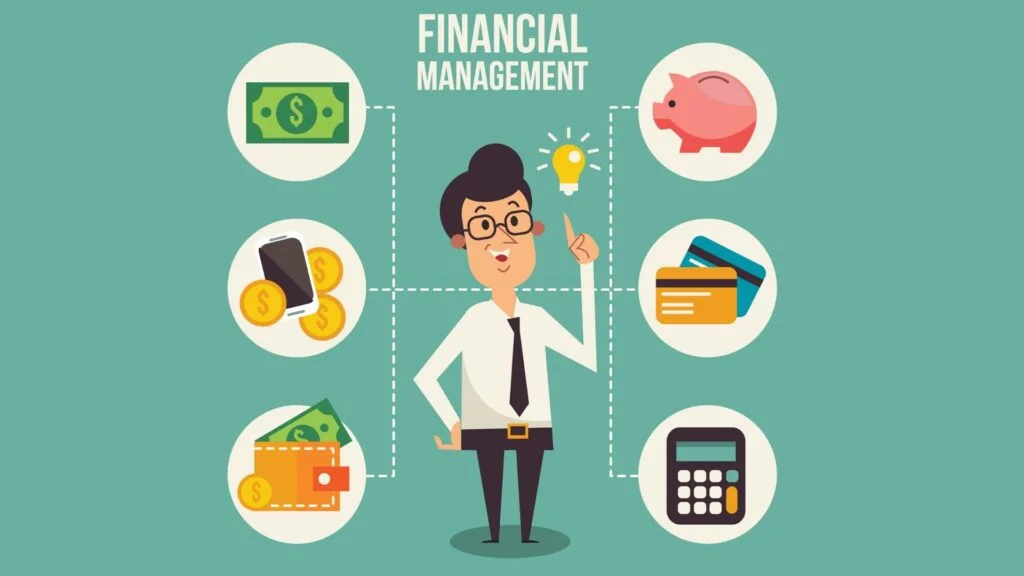
Financial management isn’t just about numbers on a spreadsheet—it’s about your life. When you manage your money effectively, you gain the freedom to explore opportunities, respond to unexpected challenges and plan for a comfortable future.
Impact on Personal Well-Being
Financial stress is one of the most common stressors people face. Worries about debt, insufficient savings or high expenses can weigh heavily on your mind. Conversely, when you have a solid financial plan, you feel empowered. Your money becomes a tool for freedom rather than a source of anxiety. Imagine how reassuring it is to know exactly how much you can spend and save each month without constantly looking over your shoulder.
Reducing Stress and Fostering Independence
Sound financial management can cut down the stress that nags you at night. By planning your finances proactively, you reduce the number of “surprise” expenses that pop up. The sense of independence that comes from knowing you’re prepared for rainy days is invaluable. Whether it’s covering an emergency hospital bill or suddenly deciding to take a well-earned vacation, it’s nice to know your finances are in order, ready to cushion life’s ups and downs.
Understanding Personal Finance Basics

Budgeting is considered one of the essential cornerstones of personal finance. A budget is part of financial planning that outlines your income, expenses and savings goals over a specific period.
It empowers you to make smart spending decisions, gain control over your money and achieve your financial aspirations. Here are some reasons why creating a budget is crucial:
- Financial Awareness: A budget provides a clear picture of your financial situation. It shows where your money is coming from, how much you’re spending and where it’s going. This awareness helps identify areas where you can reduce unnecessary expenses and redirect funds towards your priorities.
- Goal Setting: Budgeting or financial management allows you to set realistic financial goals, whether saving for a vacation, paying off debt or building an emergency fund. With a budget, you can break down larger goals into smaller, achievable milestones, making them easier to accomplish.
- Debt Management: If you have debts, a budget can be instrumental in managing and reducing them. By allocating a portion of your income towards debt repayment, you can steadily work towards becoming debt-free.
- Avoiding Overspending: Without a budget, it’s easy to overspend and fall into a cycle of living paycheck to paycheck. A budget helps you live within your means and avoid unnecessary debt.
- Building Savings: Budgeting encourages regular saving, essential for creating financial security and planning for the future. It allows you to allocate funds towards savings accounts, investments or retirement funds.
Step-by-step Guide to Creating a Budget: Budgeting Tips
Creating a budget or using a money management system may seem daunting, but it’s a relatively straightforward process. Follow these steps and money saving tips to create an effective budget tailored to your financial situation:
Assess Your Income
Begin by determining your net monthly income after deducting taxes. Include all sources of income, such as your salary, side hustles, rental income or any other regular earnings.
Track Your Expenses
Review your spending habits for the past few months to identify patterns and categories of expenses. Categorise expenses into fixed (e.g., rent, mortgage, insurance) and variable (e.g., groceries, entertainment) costs.
Set Financial Goals
Determine your short-term and long-term financial goals. It could be saving for entertaining activities at SlotsCalendar, a down payment, paying off credit card debt or building an emergency fund. Allocate distinct amounts and timeframes to each of your objectives.
Create the Budget
Use budgeting tools like spreadsheets or apps to organise your income, expenses and goals in one place. Allocate funds to each expense category, ensuring your total payments do not exceed your income.
Review and Adjust
Periodically review your budget to track progress towards your goals and identify any discrepancies. Adjust the budget as needed based on changes in income or unexpected expenses.
Tools and Apps for Budgeting
Managing a budget manually can be time-consuming, but thankfully, there are numerous tools and apps available to simplify the process. There are several well-known budgeting tools and applications, such as:
- Mint: Mint is a free budgeting app that syncs with your bank accounts and credit cards to track your spending, create budgets and set financial goals.
- You Need a Budget (YNAB): YNAB is a comprehensive budgeting tool emphasising zero-based budgeting, where every dollar is assigned a purpose.
- PocketGuard: PocketGuard offers an easy-to-use interface to monitor your cash flow, track expenses and set spending limits.
- Personal Capital: While primarily an investment management tool, Personal Capital also offers budgeting features to track spending and analyze your overall financial health.
- Goodbudget: Goodbudget is based on the envelope budgeting system, where you allocate cash to different virtual envelopes for specific expense categories.
Financial Management for Beginners
Before embarking on any financial journey, assessing your current financial situation is essential. Examine your earnings, expenditures, assets and liabilities. Understanding where you stand financially will help you set realistic goals and create a personalised financial plan. In order to assess your financial situation, here’s what you should do:
- Calculate Net Worth: Add up the value of all your assets, including cash, investments, real estate and personal property. Then, subtract all your liabilities, such as credit card debt, student loans and mortgages. The resulting figure is your net worth, which reflects your overall financial health.
- Analyse Income and Expenses: Review your monthly income and categorise your expenses into essential (e.g., housing, utilities, groceries) and discretionary (e.g., dining out, entertainment) spending. Understanding your spending patterns will help identify areas where you can cut back to save more.
- Review Credit Score: Obtain a copy of your credit report and check your credit score. A good credit score is crucial for obtaining favourable loan terms and lower interest rates. Ensure there are no errors in the report and take steps to improve your credit if needed.
- Consider Long-term Goals: Think about your long-term financial aspirations, such as homeownership, retirement or education expenses. Evaluating these goals will help shape your financial plan.
Establishing an Emergency Fund
An emergency fund is a safety net that provides financial security during unexpected situations, such as job loss, medical emergencies or major repairs. It acts as a buffer, preventing you from relying on credit cards or loans in times of crisis.
To build the emergency fund, you first need to determine the target amount. This means that you should aim to save at least three to six months’ worth of living expenses in your emergency fund. This amount can vary depending on individual circumstances, such as job stability and family responsibilities.
Another essential step is to set up a separate account. You must open a dedicated savings account for your emergency fund. Having it in a different account helps prevent you from dipping into it for non-emergencies.
To make things more efficient, use automated savings. Meaning that you have to set up automatic transfers from your checking account to your emergency fund savings account each time you receive your paycheck. Automating savings ensures consistent contributions.
And the last part, which is also the most important one, prioritise the fund. Make building your emergency fund a priority, even if it means temporarily cutting back on discretionary expenses. The tranquillity it brings is priceless.
Money Management for Young Professionals
As a young professional, striking a balance between immediate and future financial goals is essential. That’s why you should prioritise financial goals, such as repaying student loans and saving for major life events like buying a house or starting a family.
Then, develop a plan to achieve these goals, considering factors like time horizons and risk tolerance. Also, allocate your income to different financial objectives effectively.
To make things even better, take advantage of workplace benefits and plan for your retirement early on. Understand the benefits offered by your employer, such as retirement plans and insurance coverage.
Make sure you explore long-term investment options to maximise your retirement savings, such as 401(k) contributions and IRA accounts.
At the same time, Implement tax-efficient investment strategies to minimise your tax burden and boost your overall savings. You’ll thank yourself later on.
Tips and Tricks for Effective Money Management
In this section, we will explore key strategies and techniques to help you take control of your finances and build a strong foundation for a prosperous future. From automating your financial tasks to setting SMART financial goals, we will guide you through the steps to enhance your money management skills.
- Automating Finances: Automate your savings, bill payments and investment contributions to stay disciplined and avoid missed deadlines.
- Setting S.M.A.R.T. Financial Goals: Set Specific, Measurable, Achievable, Relevant and Time-bound goals to keep yourself focused and motivated.
- Practising Frugality Without Sacrificing Quality of Life: Find a balance between saving and spending by identifying areas where you can cut costs without compromising your lifestyle.
- Avoiding Impulse Purchases and Emotional Spending: Take a step back before making impulsive purchases and consider if it aligns with your financial goals.
- Reviewing and Adjusting Your Financial Plan Regularly: Regularly evaluate your financial plan and make necessary adjustments to stay on track and adapt to changing circumstances.
Conclusion
Effectively managing your finances is within your grasp, regardless of your current financial situation. Following this comprehensive guide lets you take control of your finances, achieve your goals and secure a prosperous future.
Empower yourself with knowledge, practice discipline and make informed financial decisions to pave the way for financial success and independence.
Remember, your financial journey is a marathon, not a sprint, so stay focused, patient and committed to building a strong financial future.
Summary
Effective financial management starts with setting clear goals, creating a budget and distinguishing between essential needs and discretionary wants. Saving strategies like paying yourself first and automating savings ensure you remain disciplined. Responsible debt management using methods like snowball or avalanche prevents high-interest burdens. Building good credit is crucial for obtaining favorable loan terms, while well-planned investments and an emergency fund provide stability and growth opportunities. Retirement planning, insurance coverage and smart tax strategies further safeguard your financial future. By reviewing and adapting your plan regularly, leveraging technology and avoiding common mistakes, you can achieve security and peace of mind.