

If you’ve ever dipped your toes into the world of cryptocurrency, you’ve probably come across a project called Basic Attention Token (BAT). I’ve personally found it intriguing because it mixes the power of blockchain with the familiar digital marketing space. But how does BAT fit alongside major players like Bitcoin, Ethereum or even the growing stablecoin community? That’s what we’re about to explore together.
In this guide, I’ll share the ins and outs of BAT, discuss why cross-currency compatibility matters and dive into how BAT interacts with the broader crypto ecosystem. If you’re curious about bridging digital assets in a way that might revolutionize online advertising, buckle up. By the end, you’ll see that BAT isn’t just another “altcoin” but a transformative tool that thrives when linked with other cryptocurrencies.
Contents
- 1 What is BAT?
- 2 The Growth of Cryptocurrency
- 3 Key Features of BAT
- 4 Technical Architecture
- 5 The Need for Cross-Currency Compatibility
- 6 Security Considerations
- 7 BAT Adoption in Real-World Scenarios
- 8 Potential Risks and Challenges
- 9 Conclusion
What is BAT?
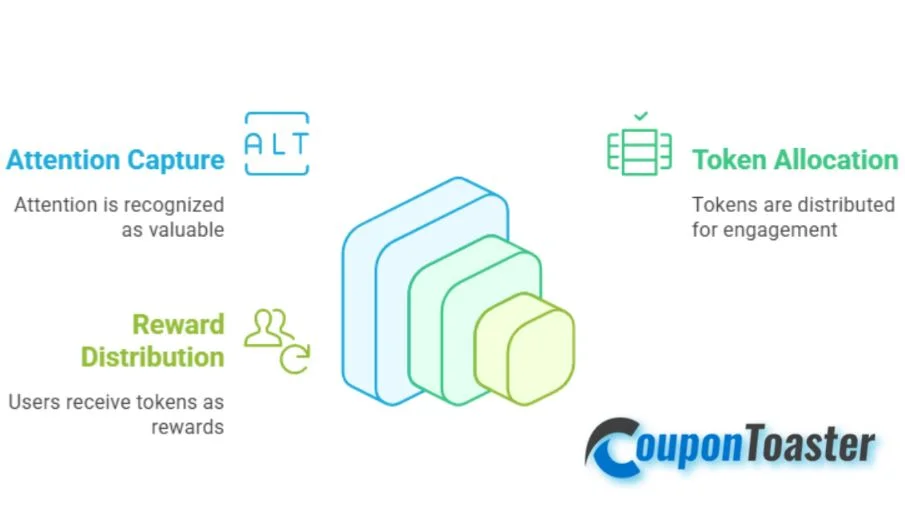
Let’s start simple: BAT stands for Basic Attention Token. It was created to reward users, publishers and advertisers for the “attention” users give to content. Ever feel like your time browsing online should be valued? BAT’s premise is that you, me and everyone else on the internet deserve a say—and perhaps a reward—for the content we consume.
This concept sprouted from the idea that our attention is valuable, yet many of us never see a direct benefit for the time we spend online. The brain behind BAT is also connected to the Brave browser, which incorporates a built-in system to allocate tokens whenever we engage with ads or content. Essentially, it’s about shifting the ad revenue model so we’re not bombarded by intrusive pop-ups, but instead receive tangible benefits.
The Growth of Cryptocurrency

Cryptocurrency has evolved at lightning speed since Bitcoin’s arrival in 2009. When we talk about BAT’s compatibility, we’re really talking about how diverse and complex this entire space has become. Let’s peek at how it all started and where it’s heading.
From Bitcoin to Altcoins
Bitcoin emerged as the first decentralized digital currency. People like you and me were fascinated by the concept of peer-to-peer electronic cash without a middleman like a bank. As Bitcoin caught on, the crypto world branched out into altcoins—Ethereum, Litecoin, Ripple and many others—each offering unique features or improvements.
Altcoins introduced fresh ideas, like smart contracts and decentralized apps. These breakthroughs paved the way for tokens such as BAT to exist on top of these platforms, harnessing their technology to solve real-world problems. It’s this open innovation that’s fueling continuous growth in the crypto universe.
Market Shifts and Trends
We’ve seen crypto go from a small niche to a trillion-dollar market, with tokens launching daily. While some see these swings as random hype, I view them as part of the natural evolution of a revolutionary technology. Tokens like BAT stand out because they address a tangible need—fair, transparent advertising—and not just speculation.
Nowadays, interoperability or the ability for different cryptocurrencies to work together, is a hot topic. This shift is partly due to user demand for simple, flexible ways to manage multiple coins. We don’t want to spend hours juggling countless wallets and exchanges; we’d rather see everything integrated. That’s where BAT’s compatibility story gets interesting.
Key Features of BAT
There are a million tokens out there, so why does BAT matter? Let’s dig into it’s defining characteristics.
- The Concept of Attention Economy
At it’s core, BAT tokenizes your attention. Imagine you’re reading an article or watching a video. Each second you spend is “attention” that the advertiser or publisher values. With BAT, every bit of attention you dedicate to content can earn you tokens. It flips the script from advertisers exploiting your data to advertisers directly rewarding you for your precious time. It’s almost like turning your daily browsing into a mini side hustle.
- Benefits for Publishers, Advertisers and Users
What makes BAT unique is how it aligns everyone’s interests. Advertisers access more engaged audiences, publishers receive more direct revenue and users earn tokens for simply viewing content they already intended to watch or read. In traditional advertising, the middlemen (ad agencies, analytics platforms) often gobble up a chunk of the revenue. BAT removes many of those intermediaries, making the process more transparent.
Technical Architecture
BAT’s usability rests on a solid technical structure. If you’re skeptical about whether all of this is just smoke and mirrors, consider that it leverages blockchain fundamentals, an integrated browser setup and even the potential for smart contracts.
Blockchain Fundamentals
BAT is built on Ethereum’s blockchain, which handles the minting and distribution of tokens. This ensures that every transaction is recorded immutably, meaning no one can fudge the numbers or manipulate the system behind the scenes. For folks like you and me, that transparency is a huge plus. It’s reassuring to know that each token awarded is backed by a decentralized ledger.
Integration with the Brave Browser
Chances are you’ve heard of the Brave browser. It’s where BAT truly comes to life. Brave was developed by Brendan Eich, the mastermind behind JavaScript and co-founder of Mozilla. When you use Brave, you can opt into the Brave Rewards system. Watch an ad, earn BAT. Tip a publisher you love, send them BAT. The synergy between a specialized browser and a crypto token is a big reason BAT is more than just another altcoin experiment.
The Role of Smart Contracts
While BAT focuses heavily on rewarding attention, it also opens the door for more sophisticated interactions through smart contracts. This could mean automated settlements for ad campaigns or even micro-subscriptions for premium content. Think of it like a vending machine for your online interactions—drop in your token, get immediate, verified access to what you want.
The Need for Cross-Currency Compatibility
Cryptocurrency enthusiasts have a world of digital assets at their fingertips. So, why should BAT only play in it’s own sandbox? Cross-currency compatibility is a logical step for tokens looking to scale. Imagine if you had a gold coin, but you could only spend it at one store in your entire city. That would be kind of limiting, right? Liquidity refers to how easily you can buy or sell a token without drastically affecting it’s price. The broader the network that accepts or trades a token, the better. BAT’s seamless integration with other cryptocurrencies helps pool liquidity, giving it more stability and utility.
Crypto communities can be tribal. Some of us are hardcore Bitcoin fans, while others swear by Ethereum. By being compatible with different cryptos, BAT acts like a universal translator, enabling people from various communities to participate in the attention economy. It’s like building bridges across different islands so everyone can share resources and trade freely.
Compatibility with Bitcoin
Bitcoin is the granddaddy of them all. So, does BAT work in tandem with this OG crypto? Let’s check it out.
Payment Gateways and Exchanges
BAT can be traded for Bitcoin on countless exchanges. But some platforms also allow direct exchange or payment gateways that convert your BAT into BTC, usually with minimal fees. This is handy if you’re a content creator who wants Bitcoin specifically or vice versa. You could earn BAT through your blog and then swap it for BTC to hold as a long-term investment.
Potential Use Cases
- Donation Platforms: Accepting tips in BAT, then automatically converting to Bitcoin for long-term storage.
- Micropayments: Using BTC sidechains to handle smaller transactions, bridging them to BAT as needed.
- Trading Pairs: Direct trading pairs on exchanges make it simpler to move between BAT and Bitcoin, offering an easy way to ride market trends.
Compatibility with Ethereum
Since BAT is built on Ethereum, you might assume they’re already best friends—and you’d be right. Let’s take a deeper look at how this relationship benefits everyone involved.
Being an ERC-20 token means BAT can leverage Ethereum’s broad ecosystem. From decentralized exchanges (DEXs) like Uniswap to NFT platforms, BAT can integrate with all sorts of dApps. If you’re an Ethereum user, you can hold BAT in any ERC-20 compatible wallet. This seamless interplay also means lower development costs for the BAT team since they can piggyback on Ethereum’s infrastructure.
Ecosystem Synergies
Ethereum is no stranger to decentralized finance (DeFi). Liquidity pools, yield farming, lending—these are now mainstream DeFi activities. BAT holders can place their tokens in liquidity pools or use them as collateral for loans, thereby enjoying a more extensive financial playground. If you think about it, this synergy between BAT and Ethereum is like having a VIP pass to a massive, growing theme park.
Compatibility with Stablecoins
If you’re wary of crypto’s notorious volatility, stablecoins are probably on your radar. So, can BAT work with tokens like USDC or USDT? Absolutely.
Reducing Volatility
One advantage stablecoins bring to the table is a price that’s pegged to a stable asset, usually the U.S. dollar. As a BAT holder, you might earn tokens but not want to deal with big market swings. By converting some of your BAT into USDC, you can keep your earnings in a more stable store of value. This is particularly handy for content creators who rely on consistent monthly revenue.
Practical Applications in Daily Commerce
Stablecoins make daily transactions more predictable. You can, for example, earn BAT through ad revenue, swap a portion of it to a stablecoin and pay for day-to-day expenses without worrying about crypto price drops. Some merchants and payment apps now accept stablecoins directly, effectively turning your ad earnings into something you can spend on groceries or coffee.
Compatibility with Other Altcoins
Beyond Bitcoin and Ethereum, a vast universe of altcoins exists—each one targeting a different use case or niche. Where does BAT fit in this puzzle?
Interoperability Tools
Interoperability is more than a buzzword. Solutions like wrapped tokens and cross-chain bridges make it possible to transfer assets from one blockchain to another. You could wrap your BAT on a different chain, expanding it’s usability. For instance, if you wanted to leverage a feature exclusive to the Binance Smart Chain, you might use a wrapped version of BAT compatible with BSC.
The Role of Decentralized Exchanges
Decentralized exchanges or DEXs, let you trade crypto without a central authority. Platforms like PancakeSwap on Binance Smart Chain or SushiSwap on multiple blockchains offer trading pools for BAT. Because these platforms use automated market makers (AMMs), you can often find unique pairs or earn rewards for providing liquidity in BAT. This decentralized approach further cements BAT’s place in a broader crypto economy.
Security Considerations
Security is a big deal—nobody wants their tokens stolen or compromised. While BAT itself has robust safeguards, every crypto project comes with potential vulnerabilities.
- Smart Contract Vulnerabilities
Since BAT is an ERC-20 token, it inherits the security measures (and risks) of Ethereum’s smart contracts. If the Brave Rewards system or any integrated dApp has a bug, it could expose your tokens. That’s why auditing is crucial. Reputable organizations like CertiK or Quantstamp often inspect these smart contracts, giving everyone a bit more peace of mind.
- Regulatory Compliance
Global financial authorities are paying closer attention to cryptocurrency. If BAT becomes a major payment method, it might face regulatory scrutiny. That’s not always a bad thing, though. Compliance can legitimize crypto projects, attracting more businesses and users. But it’s something to keep in mind.
- KYC and AML Implications
Know Your Customer (KYC) and Anti-Money Laundering (AML) laws might require some users to verify their identities. While this can slow down sign-ups for certain platforms, it reduces fraud and builds trust in the ecosystem. If you’re planning to integrate BAT into your site or business, be sure to understand these legal implications.
BAT Adoption in Real-World Scenarios
All this talk is great, but how does BAT truly work in everyday life? Let’s look at real examples.
- Content Monetization
Bloggers, YouTubers and even news outlets can earn BAT whenever visitors spend time on their content through the Brave browser. Instead of plastering ads everywhere, publishers can allow fewer, more relevant ads and still make a profit. Meanwhile, users who opt in can earn tokens for watching short ads that appear as notifications. Everyone wins.
- Advertising Ecosystem
Advertisers like the direct link to viewers and the deeper engagement they get from an opt-in audience. Because Brave blocks most third-party trackers, the ads you do see are tailored in a privacy-focused way. This fosters a healthier online environment, reducing spammy or invasive adverts.
Potential Risks and Challenges
No technology is flawless. Let’s be real about the bumps in the road.
Market Fluctuations
Crypto markets are notoriously volatile. If BAT’s price swings wildly, it could deter advertisers who want stable campaign costs. It might also scare away users who don’t want to see their earnings lose value overnight. Solutions like stablecoin pairings or hedging strategies can mitigate this issue, but it’s still a reality we all have to face.
Technological Constraints
Ethereum’s network can become congested, which leads to high gas fees. These fees affect transactions for BAT as well. If you’re paying more in fees than you’re earning, the incentive to participate drops. Developers are eyeing solutions like Ethereum 2.0, sidechains or layer-2 networks to keep fees manageable.
- Regulatory Uncertainty
Crypto laws are inconsistent across countries. Some places embrace digital currencies, while others ban or heavily restrict them. If regulators impose strict rules on online advertising or token use, BAT might need to adapt quickly. Developers and community members must stay informed to navigate these ever-changing landscapes.
Conclusion
BAT has positioned itself as a pioneer in the attention economy, transforming how advertisers, publishers and everyday folks like you and me interact with online content. Built on Ethereum, BAT enjoys extensive interoperability, enabling it to pair effectively with major cryptocurrencies such as Bitcoin, Ethereum, stablecoins and an ever-growing list of altcoins. It’s Brave browser integration showcases a real-world use case that feels tangible and, quite frankly, refreshing when you compare it to the usual digital marketing chaos.
Looking forward, BAT’s journey hinges on it’s ability to maintain cross-currency compatibility, embrace emerging technologies and navigate the tricky waters of regulation. If it continues to expand it’s partnerships and refine it’s technology, BAT may evolve into an online advertising staple, ultimately ushering in a new age of user-centric internet browsing. The choice is ours: Will we embrace a future where our attention is rewarded or will we stick with outdated ad models that exploit our every click?
FAQs
- Is BAT only usable within the Brave browser?
While Brave is the primary platform for earning and spending BAT in day-to-day browsing, you can store, trade or swap BAT in any compatible crypto wallet or exchange. - How do I convert my BAT to other cryptocurrencies?
Several popular exchanges support direct BAT trading pairs (e.g., BAT/BTC, BAT/ETH). You can also use a DEX like Uniswap for more flexible swapping. - Does using the Brave browser completely block all ads?
By default, Brave blocks third-party ads and trackers. However, Brave Rewards allows you to enable privacy-respecting ads in exchange for BAT tokens. - What are the biggest advantages of BAT over traditional ad platforms?
BAT focuses on user privacy, fairness and transparency. Unlike standard ad networks, it directly rewards users for their time and attention and shares revenue more equitably with content creators. - Is BAT vulnerable to Ethereum’s high gas fees?
Yes, transactions on Ethereum can get pricey during network congestion. Developers are exploring layer-2 solutions, such as Polygon, to keep fees manageable for BAT transactions.