

Nowadays, the usage of cannabis is getting pretty widespread because of it’s legalization and the increasing number of studies, proving it’s health benefits. However, for some people, the experience of using cannabis can be overwhelming and uncomfortable and there’s even a phenomenon known as “green out.” If you’ve never heard of it or you’re just curious about how to prevent it, take a closer look at this topic.
Contents
- 1 What is a Green Out?
- 2 Physical Symptoms of a Green Out
- 3 Mental and Emotional Effects
- 4 Causes of a Green Out
- 5 Risk Factors and Vulnerable Groups
- 6 How to Prevent a Green Out
- 7 Emergency Response Guide
- 8 Recovery Timeline and Aftercare
- 9 Preventing a Green Out
- 10 User Experiences and Recovery Tips
- 11 Harm Reduction Strategies for Regular Users
- 12 Legal and Safety Considerations
- 13 Summary
What is a Green Out?
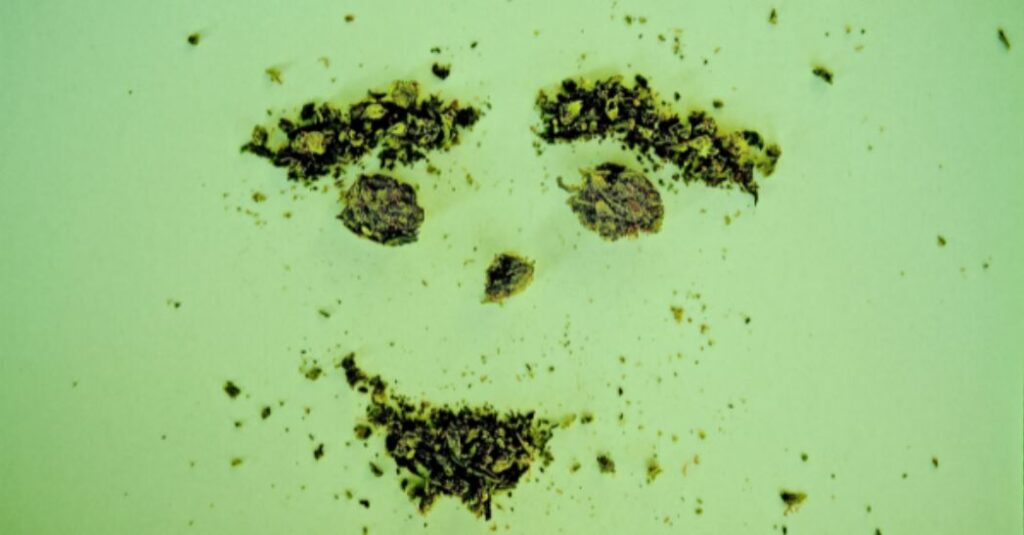
A green out is what happens when someone has consumed more cannabis than their body can handle comfortably. Think of it like having too much coffee – except instead of just feeling jittery, you might experience a range of uncomfortable sensations. Most commonly, people report feeling intensely anxious, dizzy and sometimes physically ill. In more intense cases, some users describe feeling like the room is spinning or having troubling thoughts that won’t go away.
One regular cannabis consumer shared their experience: “I thought I could handle the same amount I usually smoke, but I had switched to a new strain. About 30 minutes later, I felt like my heart was racing, the room started spinning and I became incredibly paranoid about every little sound in my apartment. I had no idea this could happen with cannabis – I learned the hard way that respect for dosage is crucial.”
What makes a green out particularly challenging is that the symptoms typically hit suddenly and can feel overwhelming, especially for those who haven’t experienced one before. Another user described it as “feeling like time has slowed down, but your thoughts are racing at light speed.” These experiences, while temporary, can be genuinely frightening for those going through them.
Physical Symptoms of a Green Out

When experiencing a green out, your body can react in various ways. The most commonly reported physical symptoms include:
- Severe nausea and sometimes vomiting
- Cold sweats and clamminess
- Rapid heartbeat or heart palpitations
- Shortness of breath or hyperventilation
- Trembling or shaking hands
- Extreme fatigue or weakness
- Dry mouth beyond the usual “cotton mouth”
Medical cannabis patients have reported that these physical symptoms can be particularly intense for newcomers: “The first time I experienced a green out, I thought something was seriously wrong. My heart was racing, I was drenched in sweat and my hands wouldn’t stop shaking. Understanding that these are normal symptoms would have helped me stay calmer.”
Healthcare providers note that while these symptoms can be alarming, they typically resolve within a few hours. However, staying aware of your body’s signals and knowing when to seek help is essential.
Mental and Emotional Effects
The psychological impact of a green out can often be more challenging than the physical symptoms. Common mental effects include:
- Intense anxiety or panic attacks
- Time distortion
- Racing thoughts
- Paranoid thinking
- Difficulty concentrating
- Overwhelming sense of doom
- Memory impairment
Support group members often share that the mental effects can feed into each other: “When you’re in that state, anxiety can make you hyper-aware of your physical symptoms, which then increases the anxiety further. Breaking this cycle is key to managing a green out.”
Causes of a Green Out
Understanding why green outs happen involves looking at several key factors that often work together to create this overwhelming experience. The most straightforward cause is simply consuming too much THC too quickly. However, the story goes deeper than just quantity alone.
A long-time cannabis educator shared this insight: “In our harm reduction workshops, we’ve found that green outs often happen when multiple risk factors combine. Someone might be trying a new, more potent strain while also being tired and dehydrated or they might take an edible on an empty stomach and then get caught in an anxiety-inducing situation.”
The body’s relationship with THC is highly personal and can be affected by:
- Your individual tolerance level, which can change over time
- The method of consumption (smoking vs edibles vs concentrates)
- Your current physical state (tired, hungry, dehydrated)
- Your emotional state and environment
- Any medications you might be taking
- Your recent cannabis use history
One cannabis dispensary worker noted: “We often see customers who had a break from cannabis and then tried to consume the same amount they used to. Their tolerance had reset, but their memory of what they could handle hadn’t. That’s a common setup for a green out.”
The rise of high-THC cannabis products has also contributed to the increasing frequency of green outs. Modern cultivation techniques have produced strains with THC percentages that would have been unheard of just a decade ago. A cannabis researcher commented: “In the 1970s, average THC content was around 3-4%. Today, we regularly see strains exceeding 25%. That’s a massive difference in potency that many users don’t fully appreciate.”
Risk Factors and Vulnerable Groups
Not everyone has the same risk level for experiencing a green out. Several factors can make some individuals more susceptible:
- First-time or inexperienced users
- People with naturally low THC tolerance
- Those with pre-existing anxiety conditions
- Individuals on certain medications
- People with low blood pressure
- Those who haven’t eaten properly
- Individuals with sleep deprivation
Cannabis educators emphasize the importance of understanding your personal risk factors: “Knowing where you stand in terms of risk can help you make better decisions about consumption methods and dosage.”
How to Prevent a Green Out
Prevention is always better than dealing with a green out once it starts. Through collecting experiences from hundreds of cannabis users, we’ve compiled comprehensive strategies that actually work in real-world situations.
A community support group organizer shared these insights: “After helping dozens of people through green outs, we’ve learned that prevention comes down to three main things: knowing your limits, respecting the strength of what you’re consuming and creating a safe environment.”
Here are detailed prevention strategies that have proven effective:
- Start Low and Go Slow
- Begin with a minimal amount, especially with new products
- Wait at least 15-20 minutes between inhalations if smoking
- For edibles, wait at least 2 hours before taking more
- Keep track of how much you’ve consumed
- Create a Comfortable Setting
- Choose a familiar, calm environment
- Have trusted friends around if possible
- Keep water and light snacks readily available
- Ensure you have a safe place to rest if needed
- Physical Preparation
- Eat a proper meal beforehand
- Stay hydrated throughout the day
- Avoid mixing with alcohol or other substances
- Get enough rest before consuming
A harm reduction specialist offered this practical advice: “Many green outs I’ve helped with could have been prevented by simply eating a good meal first and having water on hand. It sounds basic, but these simple steps make a huge difference in how your body processes cannabis.”
Emergency Response Guide
Knowing how to respond when someone is experiencing a green out can make a significant difference in their recovery. Here’s what experienced cannabis community members recommend:
Immediate Actions:
- Help them find a quiet, safe space
- Ensure they’re sitting or lying down comfortably
- Remove any anxiety-inducing stimuli (loud music, bright lights)
- Stay with them and maintain calm communication
When to Seek Medical Help:
- If they lose consciousness
- If they can’t stop vomiting
- If they experience severe chest pain
- If they have difficulty breathing
- If they show signs of extreme confusion
Recovery Timeline and Aftercare
Understanding the typical recovery process can help manage expectations during a green out episode:
First Hour:
- Peak intensity of symptoms
- Focus on staying calm and comfortable
2-3 Hours:
- Gradual reduction in physical symptoms
- Mental effects may still persist
4-6 Hours:
- Most symptoms significantly diminish
- Fatigue may set in
24 Hours:
- Return to baseline
- Opportunity for reflection and learning
Aftercare Tips:
- Rest and hydration are crucial
- Light, easily digestible foods
- Gentle activities only
- Avoid cannabis use until fully recovered
Preventing a Green Out
There are several steps that can be taken to prevent a green out. One of the most important is to consume cannabis in moderation. Start with a small dose and wait to see how you feel before consuming more. It’s also important to be aware of the THC content of the cannabis you are consuming and to choose a strain with a lower THC content if you are new to cannabis or have a low tolerance for THC. So if you decide to mail order marijuana from a store like online dispensary WestCoastSupply, it’s better to check the THC content of each strain and start with a low dosage.
Another step is to consume cannabis in a comfortable and familiar environment. Being in a place where you feel safe can help reduce the risk of experiencing a green out.
Additionally, It’s better to eat before consuming cannabis, as smoking cannabis or taking edibles on an empty stomach can increase the risk of a green out.
User Experiences and Recovery Tips
Many cannabis users have shared their experiences with green outs and what helped them recover. One consumer described their recovery process: “When it hit me, I felt like I was on a rollercoaster that wouldn’t stop. What helped most was finding a quiet corner, sipping water slowly and focusing on my breathing. Having someone talk to me calmly made a huge difference.”
Common recovery strategies that users have found helpful include:
- Finding a quiet, comfortable space
- Slow, deep breathing exercises
- Sipping water or sucking on ice chips
- Using black pepper (smelling or chewing peppercorns)
- Taking a cool shower or using a cold compress
- Listening to calming music
- Reminding yourself that it will pass
A cannabis counselor shared this perspective: “The most important thing to remember during a green out is that it’s temporary. No one has ever died from cannabis overconsumption. Understanding this helps many people manage their anxiety during the experience.”
Harm Reduction Strategies for Regular Users
For those who use cannabis regularly, implementing harm reduction strategies can help prevent green outs while maintaining desired benefits:
- Keep a consumption journal
- Regularly assess tolerance levels
- Rotate between different strains
- Take periodic tolerance breaks
- Use microdosing techniques
- Invest in precise measuring tools
- Learn about terpene profiles
Legal and Safety Considerations
Understanding the legal framework around cannabis use is crucial for safe consumption:
- Know local possession limits
- Understand public consumption laws
- Be aware of driving restrictions
- Keep cannabis properly stored
- Maintain accurate labeling
- Know your rights and responsibilities
Summary
A green out is a phenomenon that can occur after consuming too much cannabis or consuming cannabis that is too strong. The symptoms of a green out can be distressing and can make it impossible to enjoy the experience of using cannabis. To prevent a green out, it’s important to consume cannabis in moderation, be aware of the THC content of the cannabis strains, be in a comfortable and familiar environment and eat before consuming cannabis. If you do experience a green out, it’s important to remember that it will pass and that the symptoms can be managed by staying calm, drinking water and finding a comfortable place to relax.