



In today’s fast-paced business environment, having a reliable phone system isn’t just about making calls – it’s about creating a complete communication hub that keeps your business running smoothly. Modern business phone systems have evolved far beyond basic desk phones, offering cloud-based features that transform how companies interact with their customers and team members. These systems combine traditional calling capabilities with powerful tools like video conferencing, team messaging and mobile integration, all while keeping costs manageable for businesses of any size. Whether you’re running operations in the United States, Canada or the United Kingdom, this complete guide will walk you through everything you need to know about choosing and implementing an affordable, effective phone system.
Contents
- 1 What is a Small Business Phone System?
- 2 How Do Small Business Phone Systems Work?
- 3 What Features Should a Small Business Phone System Have?
- 4 What Do You Consider to Be the Best Business Phone System?
- 5 Cloud-Based vs Traditional Phone Systems
- 6 Scaling Your Phone System as Your Business Grows
- 7 How Much Does a Business Phone Service Cost?
- 8 FAQs
- 9 Conclusion
What is a Small Business Phone System?

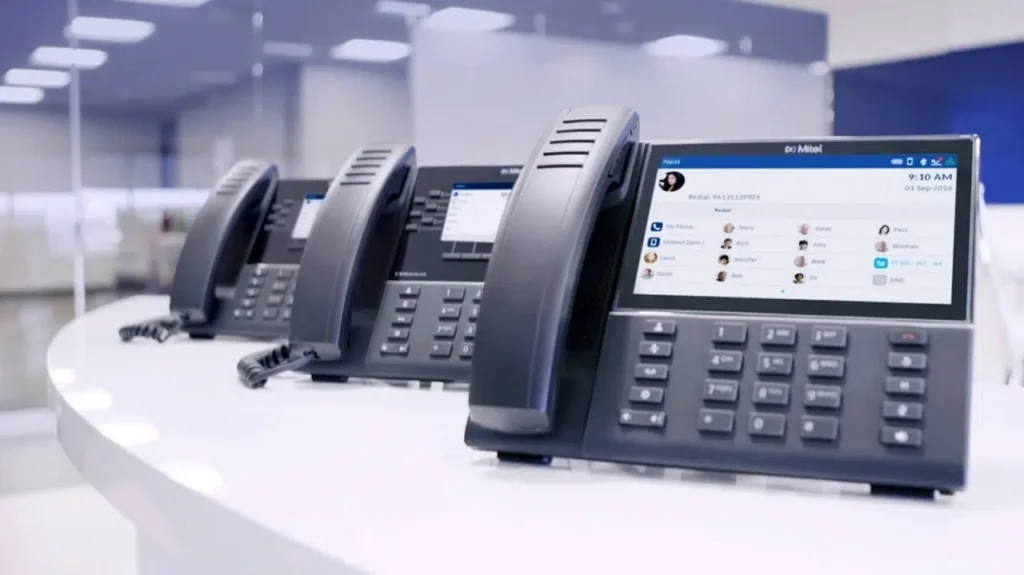
In our increasingly connected world, the way businesses communicate has undergone a dramatic transformation. While email and instant messaging have become standard tools, voice communication remains the backbone of meaningful business relationships. A small business phone system serves as the central nervous system of your company’s communication strategy, enabling clear, professional interactions with customers, suppliers and team members.
These systems go beyond simple voice calls, offering features like automated attendants, call routing, voicemail-to-email transcription and integration with customer relationship management (CRM) software. For small businesses, having the right phone system can mean the difference between appearing professional and polished or amateur and unprepared. It’s particularly crucial for businesses that handle high call volumes, rely on remote workers or need to project a larger, more established image to their market.
How Do Small Business Phone Systems Work?

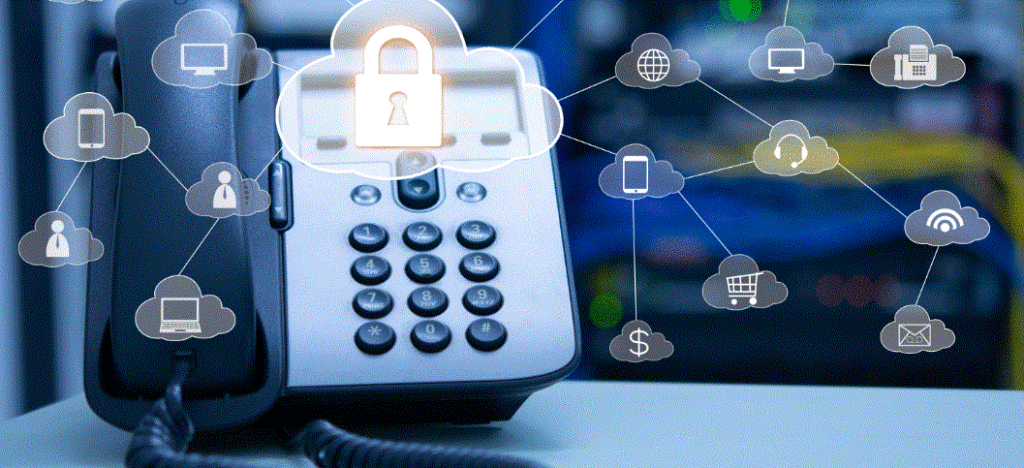
Understanding the mechanics of business phone systems helps you make an informed decision about which solution best fits your needs. At their core, modern business phone systems operate through two main approaches: traditional multiline setups and more advanced private branch exchange (PBX) systems. The choice between these options often depends on your business size, call volume and specific communication requirements.
Multiline Systems Explained
Multiline phone systems function as an enhanced version of regular phone lines, allowing businesses to handle multiple calls simultaneously. These systems can typically manage between eight to ten separate lines, making them ideal for small businesses with moderate call volumes. The beauty of modern multiline systems lies in their flexibility – you can choose local or toll-free numbers with specific area codes that build trust with your local customer base. For instance, businesses operating in major cities can select prestigious area codes that instantly communicate legitimacy to potential customers. For example, if you are opening a business in New York, having a popular number, e.g. 917 area code, ensures your customers do not think it is a scam call which often uses new and cheaper area codes.
PBX Systems and IVR Technology
Private Branch Exchange (PBX) systems represent a more sophisticated approach, incorporating automated features that eliminate the need for a dedicated receptionist. Modern PBX systems include Interactive Voice Response (IVR) technology, which guides callers through menu options and connects them with the right department or person. This automation not only reduces operational costs but also improves efficiency by ensuring calls reach their intended destination quickly and accurately.
Real Customer Reviews
“As a small business owner in Portland, switching to a cloud-based phone system saved us nearly $200 monthly while adding features we never had before. The mobile app means I never miss important calls, even when I’m out meeting clients.”
- Chan, Restaurant Owner, 2 years of usage Rating: ⭐⭐⭐⭐⭐
“The ability to have multiple lines with different area codes has helped us expand into new markets without opening physical offices. Our customers appreciate having a local number to call.”
- Dave, E-commerce Business Owner, 1.5 years of usage Rating: ⭐⭐⭐⭐
“Implementation was straightforward and the automated attendant handles after-hours calls perfectly. It’s like having a 24/7 receptionist without the overhead.”
- Marks, Medical Practice Manager, 3 years of usage Rating: ⭐⭐⭐⭐⭐
Comparison of Basic Phone Systems
| Feature | Multiline System | PBX System | VoIP System |
| Cost Range | $20-50/line/month | $30-100/line/month | $10-30/line/month |
| Setup Complexity | Low | High | Low |
| Scalability | Limited | Good | Excellent |
| Remote Work Support | Limited | Moderate | Excellent |
| Required Hardware | Physical Phones | PBX Equipment | Internet Connection |
| Maintenance Needs | Minimal | Regular | Minimal |
What Features Should a Small Business Phone System Have?

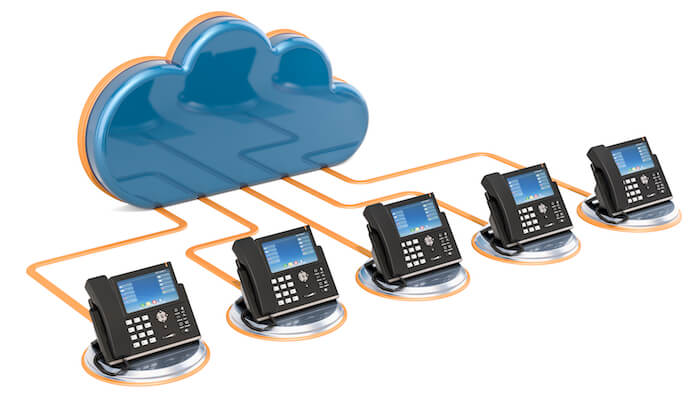
Choosing the right phone system for your business requires careful consideration of features that can directly impact your daily operations. Unlike residential phone systems, business phone solutions need to support complex communication workflows and integrate with your existing business tools. Modern business phone systems have evolved to include features that were once only available to large enterprises, but are now accessible to businesses of all sizes. When evaluating different systems, consider not just your current needs but also features that could become valuable as your business grows. Keep in mind that while having more features might seem attractive, it’s essential to balance functionality with usability to ensure your team can effectively utilize the system.
Must Features for Modern Business Communications:
- Call Management Capabilities
- Multi-line management for handling multiple calls simultaneously
- Call forwarding to mobile devices or other office locations
- Call queuing with customizable hold messages and music
- Advanced call routing based on time, department or availability
- Voicemail with email transcription services
- Collaboration Tools
- Conference calling supporting multiple participants
- Video conferencing integration
- Team messaging and presence indicators
- File sharing during calls
- Screen sharing capabilities for remote presentations
- Professional Features
- Custom greeting messages
- Business hours settings
- Virtual receptionist/auto-attendant
- Call recording for training and quality assurance
- Detailed call analytics and reporting
What Do You Consider to Be the Best Business Phone System?


The top phone system that you can currently purchase, according to our research, is Textr Team. Textr Team has been put to the test as one of the best phone systems for small businesses.
Avoiding hefty hidden fees and investing in a system that integrates seamlessly with your software infrastructure is essential when setting up the foundation of your small business. The ideal response to each of these problems? Purchase a Textr Team’s affordable connectivity program phone number in the USA, CA and UK.
VoIP or internet-based calling, is now a common feature of modern phone services. Cloud platforms, as opposed to conventional office phone systems, combine voice, video and messaging in a single app. The top business phone systems offer cutting-edge features like AI-powered analytics. These tools enhance interactions while assisting with decision-making.
Cloud-Based vs Traditional Phone Systems

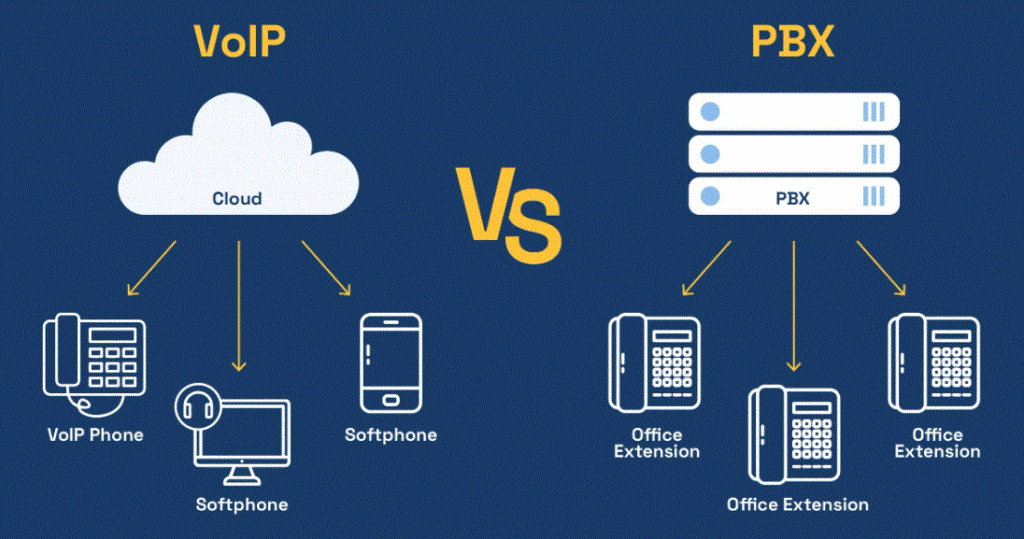
In today’s rapidly evolving business landscape, the choice between cloud-based and traditional phone systems can significantly impact your organization’s communication capabilities and bottom line. Cloud-based systems, also known as hosted VoIP solutions, operate over the internet and offer flexibility that traditional systems simply can’t match. These systems store all your data and handling capabilities in secure remote servers, allowing access from anywhere with an internet connection. Traditional systems, while reliable, require physical hardware installations and regular maintenance, which can increase both initial and long-term costs.
Advantages of Cloud-Based Systems:
- Lower upfront costs with predictable monthly expenses
- Easy scalability as your business grows
- Remote work support with mobile applications
- Automatic updates and new features
- Disaster recovery and business continuity benefits
Considerations for Traditional Systems:
- Greater control over hardware and infrastructure
- May be preferred in areas with unreliable internet
- Often requires IT expertise for maintenance
- Higher initial investment but potentially lower long-term costs
- More suitable for businesses with strict security requirements
Business Owner Insights
“The transition to a cloud-based system initially seemed daunting, but the cost savings and flexibility have been game-changing for our business. Being able to manage calls from anywhere has improved our customer response time significantly.”
- Jack, Retail Chain Owner, 2.5 years of usage Rating: ⭐⭐⭐⭐⭐
“We appreciated the ability to keep our existing phone numbers when switching to a new system. The integration with our CRM has streamlined our sales process considerably.”
- Mike, Marketing Agency Director, 1 year of usage Rating: ⭐⭐⭐⭐
Scaling Your Phone System as Your Business Grows

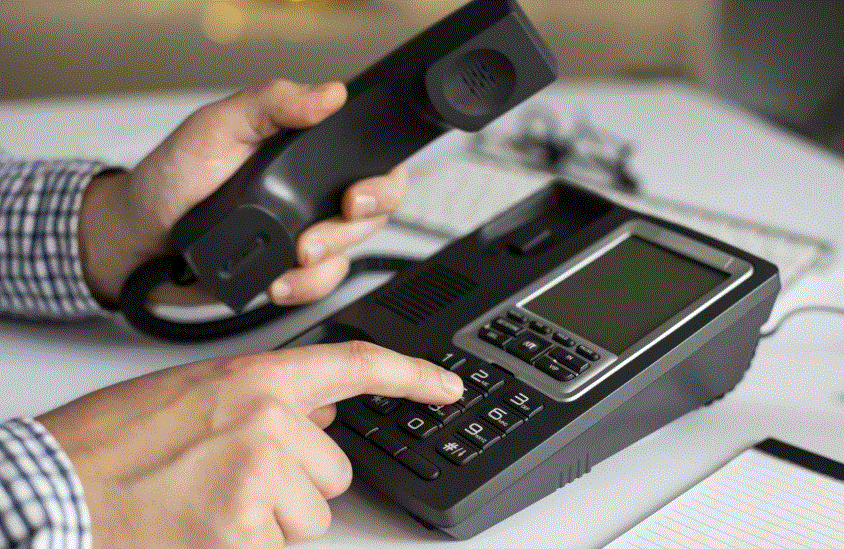
One of the most critical aspects of choosing a business phone system is ensuring it can grow alongside your company. A scalable phone system prevents the headache of complete system overhauls as your business expands. Modern cloud-based solutions excel in this area, allowing you to add or remove lines, features and capabilities with minimal disruption to your operations. When planning for growth, consider not just the number of employees you might add, but also new locations, remote workers and expanding customer service needs. The right scalable system should accommodate these changes without requiring significant additional investment in hardware or infrastructure.
Key Scaling Considerations:
- User capacity and licensing flexibility
- Geographic expansion capabilities
- Integration with new tools and software
- Cost-effective growth options
- Training requirements for new features
How Much Does a Business Phone Service Cost?
It can be expensive to set up a top-notch business phone line, but this is not the case if you use Textr Team’s affordable connectivity program phone number in the USA, CA and UK.
- USA – $10 / phone number per user Billed monthly
- Canada – $10 / phone number per user Billed monthly
- UK – $14.99 / phone number per user Billed monthly
| System Type | Initial Setup Cost | Monthly Cost per User | Additional Features Cost |
| Cloud-Based | $0-$100 | $10-$30 | Often included |
| Traditional PBX | $500-$2000 | $30-$50 | Pay per feature |
| Hybrid Systems | $200-$1000 | $20-$40 | Mixed pricing |
Nowadays, there are countless ways to communicate with your customers, but voice communication is still superior to all available chat rooms and tweets. That is why having a business phone line is so crucial.
FAQs
The cost of a business phone system varies significantly depending on your specific needs and chosen solution. For small businesses, cloud-based systems typically start around $10 to $30 per user per month, with most comprehensive plans falling in the $20 to $50 range. Traditional PBX systems generally require more upfront investment, potentially ranging from $500 to several thousand dollars for initial setup, plus ongoing maintenance costs.
Yes, you can typically retain your existing phone numbers when transitioning to a new phone system through a process called number porting. Most service providers handle this process for you, ensuring a smooth transition without any disruption to your incoming calls. The porting process usually takes between 2-4 weeks, during which time your old system continues to work.
Modern cloud-based phone systems have built-in redundancy features to handle internet outages. Many systems automatically forward calls to mobile devices or alternate numbers during connectivity issues. Some providers offer automatic failover to cellular networks, ensuring continuous service even during internet disruptions.
Adding new users or locations to modern business phone systems is typically straightforward, especially with cloud-based solutions. The process usually involves logging into your administration portal and following a simple setup procedure that takes just a few minutes per user. When adding new locations, you can typically choose local numbers in those areas without needing physical infrastructure there. Most systems allow you to manage all locations from a single dashboard, controlling features, permissions and call routing across your entire organization. Training new users generally takes minimal time, as most modern interfaces are intuitive and user-friendly.
Conclusion
Selecting the right business phone system is a crucial decision that impacts your daily operations, customer relationships and bottom line. Throughout this guide, we’ve explored the various aspects of modern business phone systems, from basic features to advanced capabilities and from implementation considerations to future trends. The landscape of business communication continues to evolve and your choice of phone system should position your business for both current success and future growth.
When making your final decision, consider your unique business needs, budget constraints and growth plans. A cost-effective solution like Textr Team provides the flexibility and features most small businesses need, with pricing starting at $10 per phone number per user monthly in the USA and Canada and £14.99 in the UK. This transparent pricing, combined with modern features and reliable service, makes it an attractive option for businesses looking to upgrade their communication systems.