


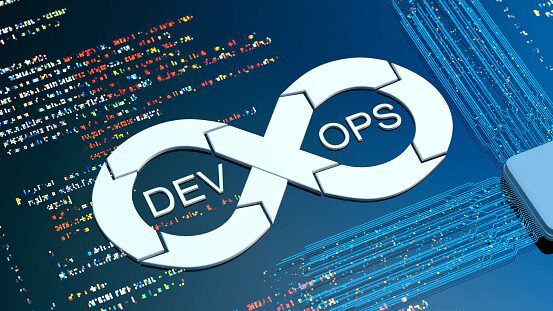
DevOps isn’t just another tech buzzword – it’s a way of working that brings together the people who build software (developers) and the people who keep it running (IT operations teams). Think of it like a bridge that connects these two groups, helping them work together smoothly instead of separately. When teams work this way, they can create and update their software much faster and with fewer problems.
Today, more and more companies are moving their DevOps work to the cloud – basically, using the internet to access powerful computing resources instead of buying and maintaining their own expensive equipment. This shift is happening because cloud computing makes everything easier, cheaper and more flexible.
In this guide, we’ll walk you through everything you need to know about cloud-based DevOps, what makes it so useful and how you can start using it in your own work. Whether you’re new to DevOps or looking to move your existing setup to the cloud, this guide will help you understand the basics and beyond.
Contents
What Are Cloud-Based DevOps?
Cloud-based DevOps is like having all your development and operations tools available through the internet instead of installed on your own computers. Imagine having a toolbox that you can access from anywhere, at any time, without carrying it around. That’s what cloud-based DevOps offers.
When companies use cloud-based DevOps, they don’t need to worry about buying and maintaining their own servers or installing complex software. Instead, they can simply log in through their web browser and start working. This approach makes it much easier to automate repetitive tasks (like testing new code or updating software), help team members work together (even if they’re in different locations) and get new features out to users more quickly.
The cloud provides all the computing power and storage space needed and companies only pay for what they actually use. This means small teams can access the same powerful tools as big companies and everyone can scale their resources up or down as needed without any hassle.
Popular DevOps Tools
The world of cloud-based DevOps comes with a whole set of tools that make different parts of the software development process easier. Think of these tools as different pieces of equipment in a workshop – each has it’s own special purpose, but they all work together to help you build better software. Here’s a detailed look at some of the most important tools:
Helm
Helm is like a super-smart package delivery service for Kubernetes (which we’ll talk about later). It helps teams install and manage their applications across different computers in a way that’s consistent and reliable. Using a Helm repository is like having a central warehouse where you store all your application packages. Teams can easily find what they need, make updates and roll out changes without causing problems. With the help of a Helm repository, such as the one by JFrog, dev teams can manage their applications and dependencies and roll out changes to production with minimal effort.
GitLab
GitLab works like a central hub for all your development work. It’s where team members can work together on code, track changes and manage the entire process of building and releasing software. GitLab can either be installed on your own servers or used through the cloud. It connects with other tools like Jenkins to automatically test and deploy code, making sure everything works properly before it goes live.
Docker
Docker is like a shipping container for your software. Just as shipping containers can carry any type of cargo and work with any ship or truck, Docker containers can hold any type of application and work on any computer system. This makes it much easier to move applications between different environments without running into problems.
Jenkins
Jenkins is like an automated assembly line for software. It watches for changes in your code and automatically starts building, testing and deploying the updated version. This means teams don’t have to manually run tests or upload new versions of their software – Jenkins handles all of that automatically.
Kubernetes
Kubernetes is like a smart traffic controller for your applications. It manages how your containerized applications run across multiple computers, making sure they have enough resources, stay healthy and can handle user demand. If an application needs more computing power, Kubernetes can automatically give it more resources and if something goes wrong, it can automatically restart the application
Benefits of Cloud-Based DevOps Solutions
There are many benefits to using cloud-based DevOps solutions for your organization:
Scalability
Scalability means you can easily adjust your computing resources based on what you need at any given time. Think of it like having a rubber band that can stretch or shrink – when you need more computing power, you can instantly scale up and when you need less, you can scale back down. This is particularly useful for businesses that have busy seasons or unexpected spikes in user activity. You don’t need to buy extra servers that might sit idle most of the time – instead, you only use (and pay for) what you need, when you need it.
Flexibility
Flexibility in cloud-based DevOps is about having choices and being able to adapt quickly. The cloud offers a huge variety of tools and services that you can mix and match based on your specific needs. It’s like having access to a massive toolbox where you can pick exactly what you need for each job. Need to add automated security testing? There’s a tool for that. Want to monitor how your applications are performing? There’s a tool for that too. This flexibility means you can build exactly the workflow you need without being locked into using specific tools or approaches.
Cost Savings
Cost savings come from several different directions when using cloud-based DevOps. First, you don’t need to buy and maintain expensive servers and equipment – the cloud provider handles all of that. Second, you only pay for what you actually use, which means no wasted resources. Third, because many tasks can be automated, you need fewer people to manage your systems. It’s like renting a car instead of buying one – you get all the benefits without the high upfront costs and ongoing maintenance expenses.
Getting Started with Cloud-Based DevOps Solutions
To get started with cloud-based DevOps solutions, there are several steps you need to take:
- Choose a Platform: The first step is choosing a platform that best suits your needs, such as Amazon Web Services (AWS), Microsoft Azure, or Google Cloud Platform (GCP). Each platform offers different features, so make sure you do your research before making your decision.
- Choose Tools: Once you’ve chosen a platform, you must decide which tools will best meet your needs, such as Helm for container orchestration or Jenkins for CI/CD pipelines. Make sure you choose tools that integrate easily with your chosen platform so that you don’t encounter any compatibility issues later on.
- Set Up Your Environment: After choosing a platform and selecting the right tools for your organization’s needs, it’s time to set up your environment, so everything works together seamlessly. This includes setting up IaC templates so that all components are configured correctly from the start and configuring security settings so that everything is secure from day one.
- Test & Deploy: Once everything is set up, it’s time to test your environment and ensure everything works correctly before deploying it into production mode, where users can begin taking advantage of all it’s benefits!
Best Practices for Cloud-Based DevOps
When working with cloud-based DevOps, following proven best practices can help you avoid common problems and get better results. Let’s look at some key practices that successful teams use:
- Start With Good Planning and Documentation: Before jumping into tools and automation, take time to map out your processes and write down how everything should work. This includes documenting your deployment steps, security requirements and backup procedures. Think of it like writing down a recipe – when everything is clearly documented, anyone on the team can follow the steps and get the same results.
- Use Infrastructure as Code (IaC) Whenever Possible: This means writing code that automatically sets up your servers and services instead of doing it manually. It’s like having a blueprint that can automatically build exactly what you need, every time. This approach helps prevent mistakes that can happen with manual setup and makes it easy to create new environments when needed.
- Implement Strong Security Measures From The Start: This includes using secure passwords, encrypting sensitive data and controlling who has access to different parts of your system. Regular security scans and updates should be part of your routine maintenance. Think of it like having good locks on all your doors and regularly checking that they’re working properly.
- Monitor Everything That Matters: Set up monitoring for your applications, servers and processes so you can spot problems before they affect your users. This includes tracking things like how much resources you’re using, how fast your applications are running and whether any errors are occurring. Good monitoring is like having a dashboard in your car that tells you everything about how it’s running.
Conclusion
Cloud-based DevOps solutions have transformed how teams build and manage software. By combining the power of cloud computing with DevOps practices, organizations can work more efficiently, respond to changes more quickly and save money in the process. The steps outlined above will help you get started on your cloud DevOps journey. Remember, it’s okay to start small and gradually expand as you become more comfortable with the tools and processes. The most important thing is to begin the journey and keep learning as you go!