

The beauty and skincare industries are quickly evolving — and the pace isn’t about to slow down in 2023. If anything, this year will mark some of the industry’s most significant changes. Spurred by advanced technologies that feel like science fiction, upcoming trends will make personalization an integral part of interacting with top beauty brands.
To illustrate the growing importance of personalization and technology in the beauty industry, we’ve highlighted a few of the most relevant trends to look forward to in 2023.
Contents
Personalizing Customers’ Products Discovery and Maximizing Performance
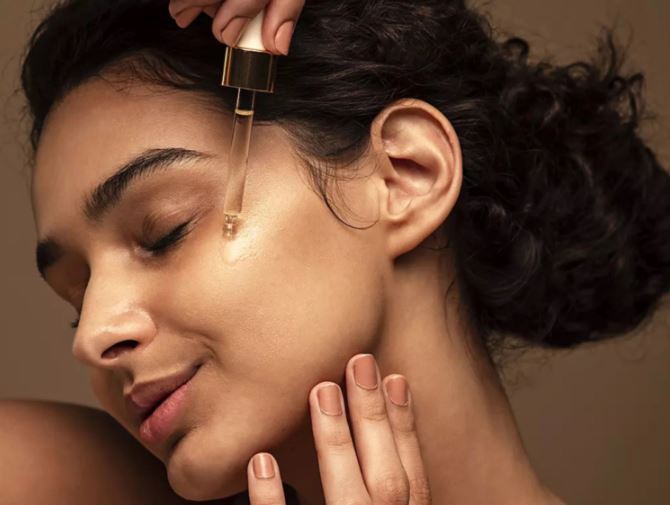
Personalizing the shopping experience helps beauty brands and retailers support consumers in cutting through the noise and finding the products each customer needs based on their unique concerns and preferences.
The process of finding a skincare routine can seem a little daunting, especially when there are numerous options for customers with the same skin type and simply not enough information concerning their skin health. To tackle this problem brands must embrace consumers’ special characteristics, such as age, skin type, gender, and various external factors.
By leveraging intelligent algorithms and creating a great skincare marketing strategy, brands can now analyze purchase patterns and consumer behavior to deliver safe and personalized experiences that are – most importantly – in demand. This enables beauty companies to unpack exactly what their customers’ intentions and needs are – uplifting their beauty journey by recommending the right products. In particular, product recommendations are an effective tool to deliver a memorable omnichannel product discovery experience and increase its average order value (AOV). For instance, product recommendations allow consumers to explore different suitable categories simultaneously, thus boosting the average purchase value.
Data-powered personalization also ensures that no matter which category they find themselves in, customers enjoy a more personalized experience than the one-size-fits-all eCommerce approach of yesteryear.
Building New Roads to Loyalty in Beauty

Today, brands must provide a truly personalized experience and tap into customers’ mindsets in exchange for some value. Collecting zero- and first-party data enables brands to enhance their retargeting and customer communications strategy, leading to a more personalized conversation with each customer. When a brand consistently makes a shopping experience both convenient and accurate, the chances that the customer will return are high — and loyalty programs that collect first- and zero-party data ensure that they do.
For instance, once a shopper becomes a customer, brands can continue to receive relevant zero-party data through loyalty, discounts, and rewards programs. In each case, these represent the next steps in the evolution of zero-party relationships, generating compelling, immediate incentives — discounts for loyalty program membership, exclusive invitations to events, and the like — that further drive zero-party data collection opportunities.
The journey continues, the data enriches, and the customer experience deepens.
Engaging With Repeat Shoppers
It’s no secret that marketing budgets can be stretched further when courting previous shoppers, rather than focusing primarily on gaining new customers. This is becoming far easier to accomplish as personalization takes hold.
Once brands can engage with shoppers more intimately, customers are more likely to resonate with the business’s message and purchase from the brand again. Tech-powered experiences are also a great way to augment your brand values. For example, with AI and AR technologies, you’re essentially helping customers make more informed shopping decisions and even offering a carbon-emission-free method for product sampling – such as virtually trying on makeup.
Delivering a suite of tech-powered experiences helps create valuable and meaningful experiences to make consumers’ sharing of their preferences more rewarding. It enables brands to earn customer trust, making the customer care for the brand even more purchase after purchase.
Meaningful Products
These days, beauty isn’t just about obscuring unwanted blemishes or undesirable features. Instead, the best products provide the ultimate opportunity to celebrate what makes us unique in terms of outward aesthetics and inner beauty.
To that end, meaningful products are in high demand. These take many forms and can be enhanced by the personalization opportunities mentioned previously. Remember: customers love when their beauty purchases support causes they hold dear. Many prefer to purchase products from purpose-driven businesses, which may emphasize clean products or beauty diversity. These preferences can be built into personalization efforts, with beauty recommendations curated based not only on skin quality, but also on personal convictions.
As exciting new technologies enter the beauty industry, opportunities for personalized experiences abound. In 2023, advanced solutions will bring a curated feel to online shopping, making the process of finding and trying the best products a lot more exciting and a lot less overwhelming.
FAQs
Beauty brands utilize sophisticated algorithms that analyze various aspects of customer data, including age, skin type, gender, and environmental factors. This analysis allows brands to create highly personalized shopping experiences, offering product recommendations that precisely match individual needs and preferences, ultimately making the discovery process more efficient and enjoyable.
Personalized recommendations transform the shopping experience by making it more targeted and efficient. Customers spend less time searching through unsuitable products and more time discovering items that match their specific needs. This focused approach not only increases customer satisfaction but also tends to result in higher average order values as customers find complementary products that work well together.
Artificial intelligence transforms beauty shopping by analyzing customer preferences, providing personalized recommendations, and enabling virtual try-on experiences. This technology helps customers make more informed decisions while reducing product waste through virtual testing. The AI-powered experience feels more like having a personal beauty consultant than a traditional shopping experience.
Tech-powered experiences provide convenience, accuracy, and confidence in purchase decisions. Customers can virtually try products before buying, receive personalized recommendations based on their specific needs, and enjoy a shopping experience that feels tailored to their preferences. This technology-driven approach helps eliminate the guesswork often associated with beauty purchases.
The Bottom Line
The beauty industry’s transformation through personalization and technology represents a win-win scenario for both brands and consumers. Customers receive more targeted, relevant experiences and products that better meet their needs, while brands benefit from increased customer loyalty and more efficient marketing strategies. This evolution sets the stage for a future where beauty retail is more personal, more efficient, and more meaningful for everyone involved.
As we continue to witness this transformation, one thing becomes clear: the future of beauty is not just about selling products—it’s about creating personalized experiences that resonate with individual customers while building lasting relationships based on trust, understanding, and shared values.