

Cleaning your car’s fuel injectors can help improve it’s performance and fuel efficiency. Before you start the cleaning process, here are some things you should know:
Contents
- 1 Why Clean Your Fuel Injectors?
- 2 How Do You Know If Your Fuel Injectors Need Cleaning?
- 3 What Are The Different Methods For Cleaning Fuel Injectors?
- 4 What Are The Risks Of Cleaning Fuel Injectors?
- 5 How Often Should You Clean Your Fuel Injectors?
- 6 Some General Tips for Buying Car Parts Online:
- 7 Why You Should Buy Car Spare Parts Online On Boodmo-
- 8 Final Words
Why Clean Your Fuel Injectors?
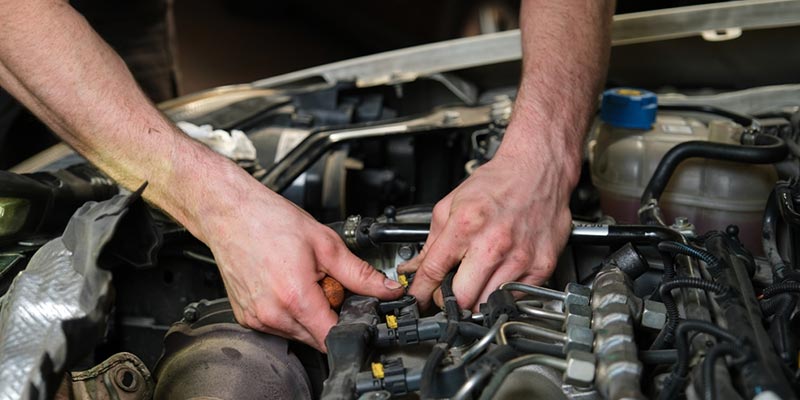
Fuel injectors play a crucial role in your vehicle’s performance, but many car owners don’t realize how important regular cleaning can be. These small but vital components deliver precise amounts of fuel into your engine’s combustion chamber. However, like any part that handles fuel constantly, they accumulate deposits over time. In my experience working with car owners, I’ve seen how these deposits form from low-quality fuel, carbon buildup and normal engine operation. When injectors get clogged, your engine starts consuming more fuel than necessary, power delivery becomes inconsistent and you might even face starting problems on cold mornings.
One of my readers recently shared: “I ignored the signs of clogged injectors for months – rough idling and hesitation during acceleration. My fuel economy dropped by almost 15%. After a thorough cleaning, my car felt like new again and I was saving money at the pump within weeks.”
How Do You Know If Your Fuel Injectors Need Cleaning?

Recognizing when your fuel injectors need attention isn’t always straightforward, but there are several telltale signs that experienced car owners have reported. The most common indicator is a noticeable decrease in fuel efficiency – you’ll find yourself filling up more frequently than before. A real-world example comes from a long-time reader: “I noticed my usual 400-mile range per tank had dropped to about 340 miles. At first, I blamed it on city driving, but the problem persisted even on highway trips.”
Other warning signs include your engine running rough when idling, almost like it’s about to stall, especially when you’re stopped at traffic lights. You might also experience hesitation or stuttering when accelerating – it feels like your car is struggling to respond to throttle inputs. One particularly observant driver shared: “My car developed a slight vibration at idle and made ticking sounds. After cleaning the injectors, both issues disappeared completely. Looking back, I realized these symptoms had developed so gradually that I’d almost gotten used to them.”
What Are The Different Methods For Cleaning Fuel Injectors?
When it comes to cleaning fuel injectors, car owners have several options available, each with it’s own advantages and real-world effectiveness. The simplest method is using a fuel injector cleaner additive – you simply pour it into your fuel tank. For more thorough cleaning, many car enthusiasts opt for fuel injector cleaning kits, which connect directly to your fuel system. While these require more technical knowledge, they often provide better results. The most comprehensive option is professional cleaning, where specialized equipment is used to deep-clean the injectors. This method often includes ultrasonic cleaning, which can restore injectors to near-factory condition.
| Cleaning Method | Difficulty Level | Cost Range | Effectiveness | Best For | Real-World Experience |
|---|---|---|---|---|---|
| Fuel Injector Additive | Easy – Just pour into tank | $10-30 per bottle | Moderate – Good for maintenance | Regular maintenance and minor clogs | “Adding cleaner every 10,000 miles keeps my engine running smoothly” – Commercial Truck Driver |
| DIY Cleaning Kit | Moderate – Requires technical knowledge | $50-150 for kit | High – Can remove stubborn deposits | Moderate to heavy deposits | “Better than additives for serious clogs, but follow instructions carefully” – DIY Mechanic |
| Professional Ultrasonic Cleaning | None – Done by professionals | $200-500+ | Very High – Near factory condition restoration | Severe clogs or precision cleaning needs | Most comprehensive cleaning method with specialized equipment |
What Are The Risks Of Cleaning Fuel Injectors?
While cleaning fuel injectors can significantly improve your vehicle’s performance, it’s crucial to understand the potential risks involved, especially for DIY enthusiasts. One experienced mechanic who runs a popular auto repair shop shared this insight: “The biggest mistake I see is people using aggressive cleaning solutions that aren’t compatible with their fuel system. Last month, I had to repair a car where the owner used an industrial-grade cleaner meant for diesel engines in his gasoline vehicle. It damaged the injector seals and led to fuel leaks.”
Another common risk comes from improper handling during removal and reinstallation of injectors. A seasoned car owner reported: “During my first DIY cleaning attempt, I rushed the process and didn’t properly seat one of the injectors. The resulting vacuum leak caused rough idling and check engine lights. I learned that taking extra time for proper installation is crucial.”
There’s also the risk of using low-quality cleaning products. A long-time automotive technician explained: “Not all fuel injector cleaners are created equal. Some cheaper products contain harsh chemicals that can deteriorate rubber seals and plastic components over time. I’ve seen countless fuel system problems traced back to using the wrong cleaning products.”
How Often Should You Clean Your Fuel Injectors?
The frequency of fuel injector cleaning is not a one-size-fits-all recommendation, as it depends heavily on various factors specific to your vehicle and driving habits. A fleet manager overseeing 50 vehicles shared valuable insights: “In our fleet, vehicles that primarily operate in city conditions with frequent stop-and-go traffic require injector cleaning about every 30,000 miles. However, our highway-driven vehicles can often go 45,000 to 50,000 miles between cleanings without any issues.”
Environmental conditions also play a crucial role. A driver from a dusty, rural area noted: “Living on unpaved roads means my fuel system deals with more contaminants. I’ve found that cleaning my injectors every 25,000 miles prevents performance issues that my neighbors who live in paved areas don’t experience until much later.”
The quality of fuel you use significantly impacts cleaning frequency. An automotive instructor explained: “Vehicles regularly running on premium fuel from top-tier stations typically need less frequent injector cleaning. One of my students documented this by tracking two identical fleet vehicles – the one using budget fuel needed cleaning nearly twice as often as the one running on premium fuel.”
For most drivers, watching for signs of decreased performance is more reliable than strictly following a mileage schedule. A certified mechanic advised: “Instead of fixating on mileage, I tell my clients to monitor their fuel economy. A sudden drop of more than 10% in fuel efficiency is often a reliable indicator that it’s time for injector cleaning.”
| Driving Condition/Vehicle Type | Recommended Cleaning Interval | Warning Signs | Additional Notes |
|---|---|---|---|
| City Driving/Stop-and-Go Traffic | Every 30,000 miles | More frequent fuel fill-ups, rough idling | Higher frequency due to increased engine stress |
| Highway/Long Distance Driving | 45,000-50,000 miles | Slight decrease in fuel economy | Less frequent due to consistent engine operation |
| Dusty/Rural Areas | 25,000 miles | Engine hesitation, reduced power | Environmental factors increase maintenance needs |
| Premium Fuel Users | 40,000-50,000 miles | Minimal performance changes | Higher quality fuel reduces deposit buildup |
| Budget Fuel Users | 30,000-35,000 miles | Earlier onset of performance issues | Lower quality fuel causes faster deposit accumulation |
| High-Performance Vehicles | 25,000-30,000 miles | Reduced acceleration, power loss | Precision tuning requires cleaner injectors |
| Older Vehicles (10+ years) | Every 25,000 miles or yearly | Increased noise, harder starts | Age-related wear requires more attention |
Some General Tips for Buying Car Parts Online:
- Research the seller: Before you buy anything, make sure you research the seller to ensure they are reputable and reliable. Look for reviews and feedback from other customers to get an idea of their experience.
- Verify the part: Make sure the part you are buying is the correct one for your car’s make and model. Check the part number and any other relevant information to ensure compatibility.
- Check the return policy: It’s important to check the seller’s return policy before making a purchase, in case the part is not what you need or does not work as expected.
- Compare prices: Compare prices across different sellers to make sure you are getting a fair price for the part you need.
Remember to always be cautious when buying car parts online and make sure to do your research before making a purchase.
Why You Should Buy Car Spare Parts Online On Boodmo-
Some reasons why car owners may choose to buy fuel injectors online from various websites, including Boodmo:
- Convenience: Buying car parts online can be very convenient, as it allows car owners to search and purchase parts from the comfort of their own homes, without having to go to a physical store.
- Wide selection: Online marketplaces like Boodmo can offer a wider selection of parts than traditional brick and mortar stores, making it easier for car owners to find the exact part they need for their vehicle.
- Competitive pricing: Online retailers like Boodmo may offer competitive pricing for car parts, as they are able to keep their costs down by selling directly to the consumer and reducing overhead expenses. You can also check fuel injector price from boodmo.com
- Technical support: Some online retailers, including Boodmo, may offer technical support to assist car owners with finding the right part for their specific make and model of vehicle.
- Availability: Online retailers often have a larger inventory of parts available, which can be especially useful for hard-to-find or rare parts that may not be available at a local auto parts store.
Final Words
The importance of proper fuel injector maintenance cannot be overstated in today’s complex vehicle systems. A veteran mechanic with 25 years of experience summarized it well: “I’ve seen how regular injector maintenance can extend engine life by years. The key is being proactive rather than reactive – waiting until you have serious performance issues often means more extensive repairs are needed.” The advent of online parts purchasing has made maintaining fuel systems more accessible than ever. A performance shop owner shared this perspective: “In my two decades of working on cars, I’ve seen how online parts availability has democratized vehicle maintenance. Owners can now access quality parts and detailed technical information that was once available only to professional mechanics.”
Remember that maintaining fuel injectors is not just about performance – it’s an investment in your vehicle’s longevity. A diesel engine specialist offered this final insight: “The cost of regular injector maintenance is minimal compared to the expense of major repairs caused by neglect. I’ve documented numerous cases where timely cleaning and maintenance saved customers thousands in potential repair costs.” When sourcing parts online, the key is to balance cost savings with reliability and authenticity. An automotive consultant concluded: “The online marketplace has transformed how we maintain our vehicles. But the fundamental rules haven’t changed – research thoroughly, verify authenticity and never compromise quality for price when it comes to crucial components like fuel injectors.”