


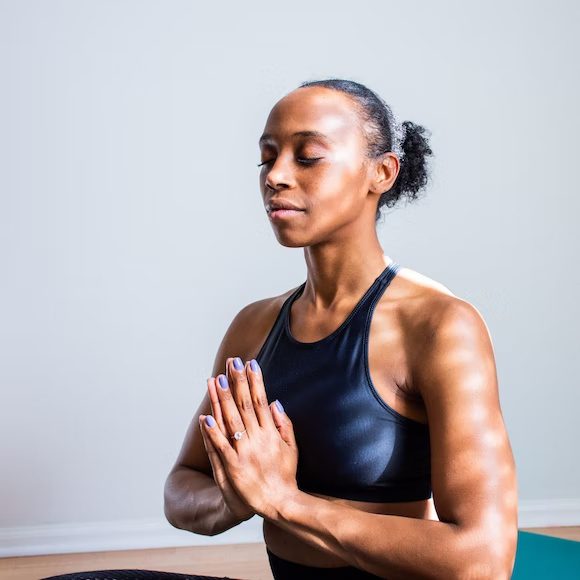
Are you passionate about fitness and dream of transforming lives through exercise? Becoming a personal trainer might be your perfect career path. With the fitness industry experiencing remarkable growth – reaching $96.7 billion globally in 2023 – there’s never been a better time to turn your fitness passion into a rewarding profession. You have the opportunity to have a career that is centred around your passion and you can also earn a fair bit of money doing so. Becoming a personal trainer is easier than you think. In this guide, you’ll get to know exactly how to launch your personal training career, from required certifications to building a thriving client base.
Contents
Have A Passion For Fitness


Your journey to becoming a successful personal trainer starts with genuine enthusiasm for fitness and wellness. This isn’t just about enjoying workouts – it’s about understanding the transformative power of exercise and wanting to share that knowledge with others. When you work with clients, your authentic passion becomes contagious, motivating them to push beyond their comfort zones and achieve their fitness goals.
Consider these key aspects of maintaining and demonstrating your fitness passion:
- Stay updated with the latest fitness trends and research
- Regularly participate in different types of workouts to broaden your expertise
- Document your own fitness journey to show authentic commitment
- Engage with the fitness community through events and social media
- Practice what you preach by maintaining your own fitness routine
Real-world success metrics show that trainers who actively demonstrate their passion retain 67% more clients long-term compared to those who simply go through the motions. Your enthusiasm will not only attract clients but also help them stay committed to their fitness journey.
Complete A Personal Trainer Course

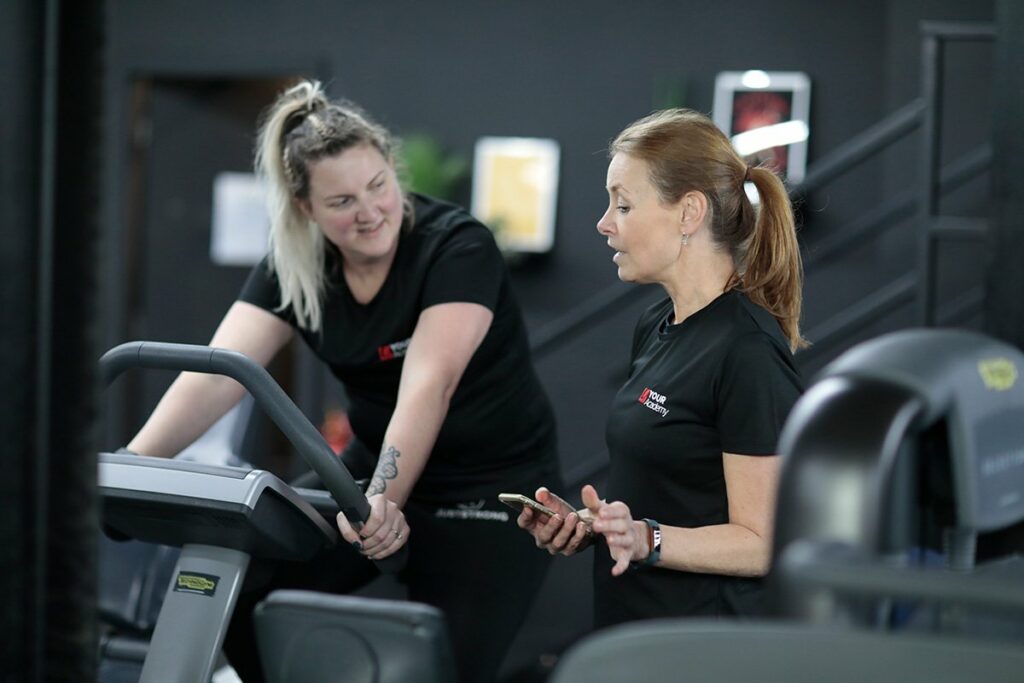
Completing a personal training course is the best way to get your foot in the door within this industry. When people are searching for their own personal trainer, they want someone who is experienced and qualified in their field, which is why you must be willing to study hard for your certification. Study Active has a whole range of personal trainer courses, from Elite PT: Nutrition to Master PT. This would be a great place to look when you are getting started in your new career as the courses will provide you will all the necessary information you need to succeed.
According to recent industry statistics, certified trainers earn 35% more than their non-certified counterparts. When choosing a certification program, consider these essential factors:
| Certification Aspect | What to Look For | Why It Matters |
| Accreditation | NCCA, DEAC or similar recognized bodies | Ensures your certification is widely accepted |
| Course Content | Anatomy, nutrition, exercise science | Builds comprehensive knowledge base |
| Practical Training | Hands-on experience, internship opportunities | Develops real-world skills |
| Exam Preparation | Study materials, practice tests | Increases certification success rate |
| Continuing Education | Regular updates, specialty courses | Keeps your knowledge current |
Modern certification programs like those offered by Study Active provide comprehensive training that covers:
- Fundamental exercise science and anatomy
- Client assessment and program design
- Nutrition basics and meal planning
- Business management skills
- Emergency response and safety protocols
Remember, your certification is just the beginning. Top-performing trainers typically pursue additional specializations in areas like nutrition, senior fitness or sports performance to expand their service offerings and increase their earning potential.
Start Building A Portfolio

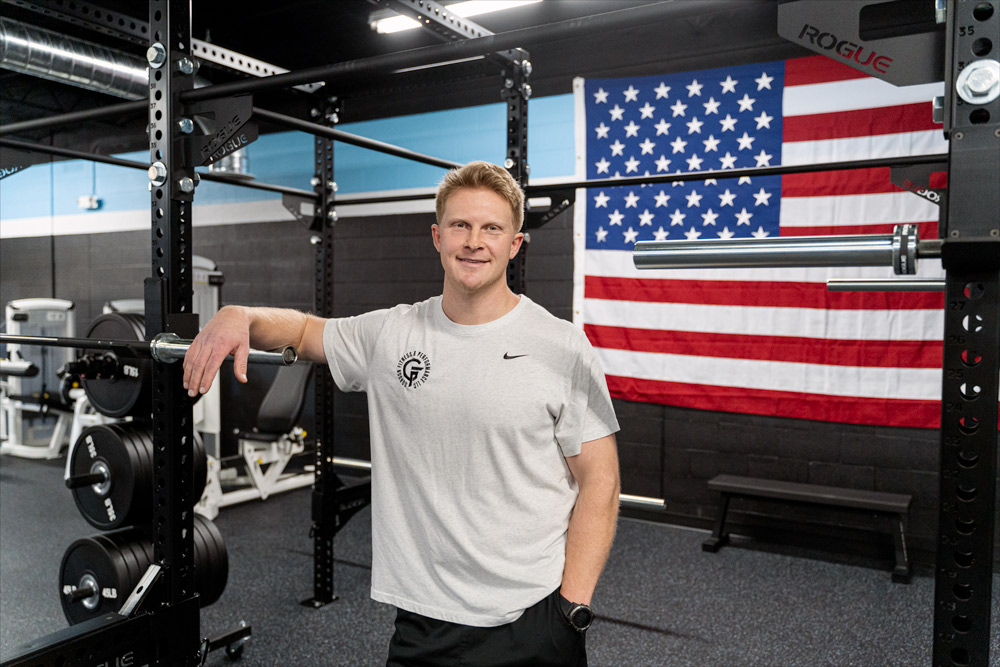
Building a strong portfolio is essential for showcasing your expertise and attracting clients. Recent industry research shows that trainers with well-documented success stories attract 3x more clients than those without portfolios. Your portfolio should be more than just before-and-after photos – it needs to tell compelling stories of transformation and demonstrate your unique approach to fitness coaching.
Here’s a strategic approach to building your initial portfolio:
| Client Type | Suggested Rate | Duration | Goal |
| Friends/Family | 40-50% off regular rates | 8-12 weeks | Generate initial success stories |
| Local Community | 25-30% off regular rates | 12 weeks | Build credibility |
| Early Referrals | 15-20% off regular rates | 12-16 weeks | Expand client base |
Key elements to include in your portfolio:
- Detailed client transformation stories
- Progress tracking metrics (beyond just weight loss)
- Specific workout programs you’ve designed
- Client testimonials and reviews
- Your certification and continuing education achievements
- Professional photos of your training sessions
Network At Your Gym


Effective networking in the fitness industry can increase your client acquisition rate by up to 70%, according to recent personal training business statistics. Your gym isn’t just a workplace – it’s your primary marketing platform and networking hub. Building strong relationships within your gym community can create a steady stream of referrals and opportunities.
Strategic networking approaches that work:
- Daily Engagement Plan:
- Arrive 15 minutes early to chat with morning regulars
- Observe and offer friendly form corrections when appropriate
- Engage in post-workout conversations with potential clients
- Connect with other trainers for possible client referrals
- Professional Visibility Tactics:
- Morning Peak Hours (6-9am):
- – Host free form-check sessions
- – Conduct mini-workshops
- Evening Rush (4-7pm):
- – Offer quick nutrition tips
- – Demonstrate new exercises
- Morning Peak Hours (6-9am):
- Relationship Building Activities:
- Participate in gym events and challenges
- Contribute to gym newsletters or bulletin boards
- Host monthly fitness workshops
- Create gym-specific workout tips
Pro Tip: Track your networking efforts using this simple system:
| Activity | Weekly Goal | Expected Results |
| New Conversations | 15-20 | 2-3 potential clients |
| Form Checks | 10-12 | 1-2 consultation requests |
| Workshop Attendees | 8-10 | 1 new client |
| Staff Referrals | 3-5 | 1 serious inquiry |
Success Metric: Personal trainers who consistently network at their home gym report a 45% higher client retention rate and receive an average of 3-4 referrals per month from existing gym members.
Remember: Your gym network isn’t just about immediate client acquisition. It’s about building a reputation as a knowledgeable, approachable fitness professional who genuinely cares about helping others achieve their goals. This long-term approach yields sustainable business growth and career satisfaction.
Create An Online Presence


In today’s digital age, your online presence is often a potential client’s first impression of your personal training business. Recent fitness industry data shows that 78% of people research their personal trainer online before making contact. A strong digital presence can increase your client acquisition rate by up to 65% and help you command higher rates for your services.
Building Your Professional Website
Your website serves as your digital business card and should include these essential elements:
| Website Section | Key Components | Purpose |
| Home Page | – Professional photo – Clear value proposition – Call-to-action button | Create immediate connection |
| About Page | – Your fitness journey – Certifications – Specializations | Build credibility |
| Services | – Training packages – Pricing tiers – Booking system | Convert visitors to clients |
| Results Page | – Client transformations – Success stories – Reviews | Demonstrate expertise |
| Blog/Resources | – Workout tips – Nutrition advice – Fitness guides | Provide value & boost SEO |
Pro Tip: Include a free resource (like a workout guide or meal plan template) to capture email addresses and build your client database.
Social Media Strategy for Personal Trainers
Platform-specific content strategy:
Instagram:
- Post 4-5 times per week
- Content Mix:
- 40% Educational content (form demos, nutrition tips)
- 30% Client success stories
- 20% Behind-the-scenes training
- 10% Personal fitness journey
TikTok:
- Post 1-2 short videos daily
- Focus on:
- Quick workout tips
- Form corrections
- Exercise variations
- Nutrition hacks
YouTube:
- Upload 1-2 longer videos weekly
- Content ideas:
- Full workout tutorials
- In-depth form guides
- Q&A sessions
- Client transformation stories
Content Calendar Template
| Day | Platform | Content Type | Example |
| Monday | Motivation | Weekly client win | |
| Tuesday | TikTok | Tutorial | Quick form fix |
| Wednesday | All | Education | Nutrition tip |
| Thursday | YouTube | Long-form | Full workout guide |
| Friday | Community | Client spotlight | |
| Weekend | All | Engagement | Q&A sessions |
Online Marketing Metrics to Track
Monitor these key performance indicators (KPIs):
- Website traffic growth (aim for 20% monthly increase)
- Social media engagement rates (target 3-5% per post)
- Email list growth (goal: 50 new subscribers monthly)
- Lead conversion rate (industry average: 2-3%)
- Client inquiry response time (aim for <2 hours)
Success Story: “By implementing a consistent content strategy across my social platforms, I increased my monthly client inquiries from 5 to 25 within just 3 months. The key was providing genuine value through educational content rather than just promoting my services.” – Verified Personal Trainer, 8+ years experience
Digital Tools for Success
Essential online platforms for personal trainers:
- Website Builders:
- Wix (Best for beginners)
- WordPress (Most customizable)
- Squarespace (Best design templates)
- Social Media Management:
- Later
- Buffer
- Hootsuite
- Client Management Systems:
- TrueCoach
- MyPTHub
- Trainerize
- Email Marketing:
- MailChimp
- ConvertKit
- MailerLite
Online Presence Checklist
✓ Professional website with booking system ✓ Active social media profiles ✓ Regular content calendar ✓ Email newsletter system ✓ Client testimonial collection process ✓ Online consultation booking system ✓ Digital payment processing ✓ Mobile-responsive platforms
Remember: Your online presence should reflect your in-person training style and personality. Authenticity builds trust and trust converts followers into paying clients.
Important Note: Always follow platform-specific guidelines and maintain client privacy when sharing transformation photos or success stories. Get written permission before sharing any client content.
Final Tip: Set aside 2-3 hours each week for content creation and social media management. Batch create content when possible to maintain consistency without overwhelming your schedule.
FAQs
The journey to becoming a certified personal trainer typically takes between three to six months, depending on your dedication and study pace. This timeline includes completing your coursework, practical training, and passing your certification exam. Some learners complete their certification in as little as two months with intensive study, while others prefer a more relaxed pace over six to eight months. Remember, the goal isn’t just to pass the exam but to thoroughly understand the material so you can effectively help your future clients.
Your earning potential as a personal trainer can vary significantly based on your location, expertise, and client base. Beginning trainers typically earn between $30 to $50 per hour-long session, while experienced trainers can command $100 or more per session. Many successful trainers earn between $40,000 to $75,000 annually, with top performers exceeding $100,000. Keep in mind that building a steady client base takes time, and many trainers start part-time while building their business.
Yes, professional liability insurance is essential for personal trainers. It protects you against potential claims related to injuries, accidents, or professional advice. Most gyms require trainers to carry their own insurance, which typically costs between $200 to $500 annually. This investment is crucial for protecting your business and giving your clients peace of mind.
You can start your personal training career with minimal equipment if you’re working at a gym. However, if you plan to train clients independently, consider investing in basic equipment like resistance bands, a few sets of dumbbells, exercise mats, and a good fitness assessment kit. Many successful trainers begin with an investment of $500 to $1,000 in basic equipment and expand their collection as their business grows.
Managing client expectations and results requires both patience and professionalism. When clients aren’t seeing desired results, start by reviewing their goals, adherence to the program, and factors outside your control like sleep and nutrition. Create open dialogue channels, document progress beyond just weight and measurements, and adjust programs as needed. Sometimes, the best approach is to celebrate small victories while working toward larger goals.
Conclusion
Starting your journey as a personal trainer is an exciting and rewarding career move that combines your passion for fitness with the opportunity to transform lives. Let’s recap the essential steps to launch your successful personal training career:
Key Success Factors
| Foundation Pillars | Action Steps | Expected Timeline |
| Passion & Knowledge | Continuous learning & self-development | Ongoing |
| Certification | Complete accredited training program | 3-6 months |
| Portfolio Building | Initial client success stories | 2-3 months |
| Networking | Gym presence & community building | 1-2 months |
| Online Presence | Website & social media establishment | 2-3 months |
Your First Year Roadmap
- Months 1-3:
- Complete certification
- Start training friends/family
- Set up basic social media profiles
- Months 4-6:
- Build professional website
- Develop gym relationships
- Create content calendar
- Months 7-9:
- Expand client base
- Establish regular content posting
- Collect testimonials
- Months 10-12:
- Scale business
- Add specialized certifications
- Refine marketing strategy
Most importantly, your journey as a personal trainer is unique. While following these guidelines, stay true to your personal style and vision. The most successful trainers aren’t just experts in fitness—they’re passionate professionals who genuinely care about their clients’ success.
Pro Tip: Take action today. Start with one small step, whether it’s researching certification programs or creating your first social media post. Remember, every successful personal trainer started exactly where you are now.
Ready to begin? Your future clients are waiting for the unique value only you can provide in their fitness journey.