


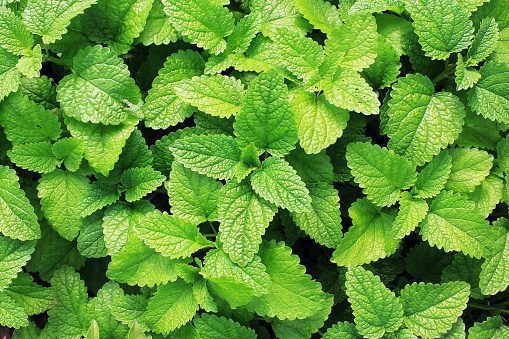
As a responsible pet owner, ensuring the health and well-being of your dog is likely a top priority. Many pet parents seek natural remedies to support their furry companions, and essential oils have gained popularity in this regard. Peppermint oil, in particular, has attracted attention for its potential benefits for dogs.
This blog post will address the important question: “Is peppermint oil safe for dogs?” We will examine the potential advantages and risks associated with using peppermint oil for canine health. By providing evidence-based information, we aim to help you make an informed decision about incorporating peppermint oil into your dog’s care routine.
It is crucial to understand that while essential oils can offer benefits, they must be used with caution. We will explore proper usage guidelines and potential side effects to ensure your dog’s safety. By the end of this article, you will have a comprehensive understanding of peppermint oil’s role in canine health.
Contents
1. Relieve Your Dog’s Digestive Issues
If your pet has digestive issues such as gas, bloating, or upset stomach, peppermint oil can help. This oil has antispasmodic properties that can relax your dog’s digestive tract muscles, relieving discomfort and reducing gas. Additionally, peppermint can stimulate bile flow, improving digestion and preventing constipation.
To use peppermint oil for your canine’s digestive issues, dilute it with a carrier oil such as coconut oil, and apply it topically on their belly. Alternatively, add a drop or two of the oil to your dog’s food.
2. Promote Your Dog’s Respiratory Health
Peppermint is also beneficial for your dog’s respiratory health. The oil has decongestant properties that can help clear your pet’s nasal passages and relieve coughing. Peppermint has antimicrobial properties that can help fight respiratory infections and boost your dog’s immune system.
To use peppermint for your dog’s respiratory health, diffuse the oil in your home or add a few drops to a bowl of hot water and let your dog inhale the steam. However, be careful not to apply peppermint oil topically on your dog’s nose or mouth, as it can be irritating.
3. Repel Fleas and Ticks
Fleas and ticks are a common problem for canines, but peppermint can help repel these pesky insects. Peppermint oil has insecticidal properties that repel fleas, ticks, and other insects. The oil has a pleasant scent that can mask your dog’s natural odor, making them less attractive to fleas and ticks.
To use peppermint oil as a natural flea and tick repellent, dilute it with a carrier oil such as olive oil and apply it topically on your canine’s fur, especially around its neck and ears. Alternatively, you can add a few drops of peppermint oil to a spray bottle filled with water and spray it on your dog’s coat before going outside.
4. Reduce Anxiety and Stress
If your dog suffers from anxiety and stress, peppermint oil can help calm them down. Peppermint has a cooling and calming effect that can help reduce anxiety and stress in dogs. Peppermint oil has a refreshing scent that promotes relaxation and improves your dog’s mood.
To use peppermint oil for your dog’s anxiety and stress, you can diffuse it in your home or apply it topically on their chest or back. However, dilute it with a carrier oil before applying it topically, as peppermint oil can irritate your dog’s skin.
5. Improve Your Dog’s Oral Health
Finally, peppermint can also improve your dog’s oral health. Peppermint has antiseptic properties that can kill bacteria and freshen your dog’s breath. Besides, peppermint oil can help reduce inflammation and promote healthy gums.
To use peppermint oil for your dog’s oral health, add a drop or two to your dog’s toothpaste or apply it topically on their gums. However, be sure to use a high-quality peppermint oil that is safe for dogs, and always dilute it with a carrier oil before applying it topically.
FAQs
Yes, peppermint oil can be safe for dogs when used correctly and in moderation. However, it is crucial to use high-quality oil specifically formulated for canine use and to follow proper dilution guidelines. Always consult with your veterinarian before incorporating peppermint oil into your dog’s healthcare routine, especially if your pet has underlying health conditions.
The application method depends on the intended use. For topical application, always dilute the peppermint oil with a carrier oil such as coconut or olive oil before applying it to your dog’s skin or fur. For digestive issues, you can apply the diluted oil to your dog’s belly or add a drop or two to their food. For respiratory benefits, consider diffusing the oil in your home or letting your dog inhale steam from a bowl of hot water with a few drops of oil added.
Peppermint oil has a cooling and calming effect that may help reduce anxiety and stress in dogs. You can diffuse the oil in your home or apply it topically (when properly diluted) to your dog’s chest or back. However, it’s important to monitor your dog’s response, as individual reactions may vary.
Peppermint oil has antiseptic properties that can help kill bacteria and freshen your dog’s breath. It may also help reduce inflammation and promote healthy gums. To use it for oral health, you can add a drop or two to your dog’s toothpaste or apply a diluted solution topically to their gums. Always ensure you’re using a high-quality, dog-safe peppermint oil for this purpose.
Conclusion
Is peppermint oil safe for dogs? Yes, as long as it is used correctly and in moderation with a high-quality oil safe for canine use. Peppermint has numerous benefits for dogs, from digestive issues to respiratory health. Be sure to use a high-quality peppermint oil safe for dogs. Consult with your veterinarian before using essential oils on your dog, especially if your dog has any underlying health conditions. With proper use and care, peppermint oil can be an excellent addition to your dog’s natural healthcare routine, helping them stay healthy, happy, and comfortable.