


Your hearing is a precious sense that requires proper protection throughout your life. Whether you’re exposed to loud noises at work, enjoy concerts, or regularly use power tools, understanding hearing protection is crucial for maintaining your long-term auditory health.
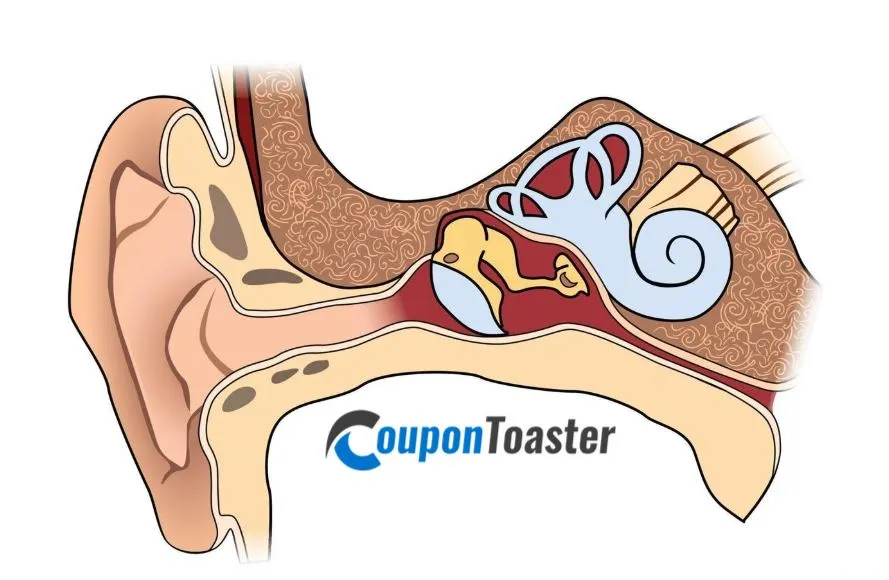
Hearing damage often occurs gradually and can be irreversible, making prevention essential. When sound waves enter your ear, they travel through the ear canal to your eardrum, which vibrates in response. These vibrations are then transmitted through three tiny bones in your middle ear to your inner ear, where thousands of tiny hair cells convert them into electrical signals that your brain interprets as sound. Exposure to excessive noise can damage or destroy these delicate hair cells, leading to permanent hearing loss.
From the constant hum of city traffic to the blare of music at concerts and events, we are constantly exposed to sound levels that can harm our hearing. Yet, the importance of protecting our ears is often overlooked. The risk of hearing damage isn’t limited to obvious sources like rock concerts or construction sites. Many everyday activities can potentially harm your hearing, from mowing the lawn to using hairdryers or attending fitness classes with loud music. The danger of noise exposure depends on both the volume (measured in decibels) and the duration of exposure. For reference, normal conversation occurs at about 60 decibels, while a lawn mower typically produces around 90 decibels. Exposure to sounds above 85 decibels for prolonged periods can cause hearing damage.
Hearing protection comes in various forms, each designed for specific situations and noise levels. These range from simple foam earplugs to sophisticated electronic earmuffs that can selectively filter different sound frequencies. The key is choosing the right type of protection for your specific needs and using it consistently when exposed to potentially harmful noise levels.
Modern hearing protection devices don’t just block sound – they can be sophisticated tools that maintain your ability to communicate while protecting your ears. Some advanced options even enhance your ability to hear important sounds while reducing harmful noise levels, making them particularly valuable in workplace settings where both protection and communication are essential
This content is created in collaboration with Alpine Hearing Protection.
Contents
Is Hearing Protection Only for Children and Babies?
While it’s true that children’s hearing is particularly vulnerable to damage, hearing protection is essential for people of all ages. Your ears don’t become more resistant to damage as you age – in fact, they become more susceptible to injury as cumulative exposure to noise adds up over your lifetime.
Understanding how your hearing works helps explain why protection is crucial at any age. Your ear consists of three main parts: the outer ear, middle ear, and inner ear. When sound waves enter your outer ear, they travel through your ear canal to your eardrum. This starts a chain reaction where your eardrum vibrates, causing three tiny bones in your middle ear (the malleus, incus, and stapes) to move. These movements create waves in the fluid of your inner ear, where thousands of tiny hair cells convert these movements into electrical signals that your brain interprets as sound.
A 2019 study published in the Journal of Neuroscience revealed that these hair cells, once damaged, don’t regenerate in humans – making any hearing loss permanent. This finding reinforces why protection is crucial regardless of your age. Your inner ear contains about 15,000 hair cells at birth, and these same cells need to last your entire lifetime.
The way sound damages your hearing remains consistent throughout your life. When you’re exposed to loud noises, these sensitive hair cells can become damaged or die. Research published in The Lancet shows that exposure to sounds above 85 decibels for prolonged periods can cause permanent damage at any age. For context, here’s what various sound levels mean for your hearing:
- Normal conversation: 60-70 decibels (safe for extended periods)
- City traffic: 80-85 decibels (potentially harmful after extended exposure)
- Lawn mower: 90 decibels (harmful after 2 hours)
- Rock concert: 110 decibels (harmful after just 5 minutes)
- Sirens: 120 decibels (can cause immediate damage)
A comprehensive study in the American Journal of Public Health found that adults who work in noisy environments without proper hearing protection can experience the same level of hearing damage in 5-10 years that would naturally occur over 40 years of aging. This demonstrates how environmental factors, rather than age alone, often determine hearing loss.
Your hearing system also becomes more vulnerable as you age due to a process called presbycusis, or age-related hearing loss. According to the National Institute on Deafness and Other Communication Disorders, about one-third of people between 65 and 74 have hearing loss, and nearly half of those older than 75 have difficulty hearing. This natural aging process makes protecting your hearing even more crucial as you get older.
The misconception that hearing protection is primarily for children likely stems from their more obvious vulnerability. Children’s ear canals are smaller, making loud sounds more intense when they reach the eardrum. Additionally, children may not recognize dangerous noise levels or know how to protect themselves. However, this doesn’t mean adults are immune to noise-induced hearing loss.
A 2021 review in the International Journal of Environmental Research and Public Health highlighted that regular exposure to noise levels above 85 decibels can cause permanent hearing damage in adults within just a few years. The study emphasized that hearing protection isn’t just about preventing immediate damage – it’s about preserving your hearing capacity throughout your life.
Your hearing also plays a crucial role in maintaining balance and spatial awareness. The inner ear contains the vestibular system, which helps you stay balanced and oriented. Research from Johns Hopkins Medicine shows that hearing loss can increase your risk of falls and accidents, particularly as you age, making hearing protection an important factor in overall physical safety.
Prevention is particularly important because many forms of hearing damage are irreversible. While hearing aids and other assistive devices can help manage hearing loss, they can’t restore damaged hair cells or nerve connections. This makes protective measures crucial at every age, from childhood through senior years.
Everyday Scenarios Where You Need Hearing Protection
Think about your typical day. You might start by using a hair dryer (70-90 decibels), commute on a noisy subway (90-100 decibels), work out at the gym where music is blasting (90-95 decibels), or use power tools for home improvement (100-110 decibels). Each of these common activities can potentially harm your hearing if you don’t take proper precautions.
Let’s say you’re mowing your lawn on a Saturday morning. Your gas-powered mower is producing about 90 decibels of noise. Without hearing protection, you shouldn’t use it for more than 2 hours. But with proper earmuffs or earplugs that reduce noise by 20-30 decibels, you can work safely for much longer. The same goes for using your leaf blower, power tools, or attending your favorite spin class.
Even your daily commute might need attention. If you ride a motorcycle or take the subway, consider using earplugs designed for commuters – they reduce harmful noise while still letting you hear important sounds like announcements or traffic. When you’re at the gym, keep the volume of your personal music device at 60% or lower, especially with earbuds that sit close to your eardrums.
Changing How We Think About Hearing Protection
We often think of hearing protection as something used only in extreme environments—like on a construction site or at a shooting range. However, it’s time to rethink this approach and treat hearing protection the way we treat other preventative health measures. Just like wearing sunscreen to prevent skin damage or brushing your teeth to avoid cavities, protecting your ears from excessive noise should become a routine part of life.
Popular Types of Hearing Protection
Foam Earplugs: Your First Line of Defense
Foam earplugs are one of the most common and effective forms of hearing protection, reducing noise levels by 20-33 decibels when properly inserted. These small, soft plugs are made from expandable polyurethane foam that conforms to the shape of your ear canal.
Let’s walk through how you’d use foam earplugs during your morning subway commute. Imagine you’re standing on the platform as trains screech by at 95 decibels. Here’s what you do:
- Roll the earplug between your clean fingers until it’s a thin, crease-free cylinder
- Reach over your head with your opposite hand and pull your outer ear up and back
- Insert the rolled plug into your ear canal
- Hold it in place for about 30 seconds while it expands to fill your ear canal
When you do this right, you’ll notice the overwhelming screech of the train becomes a manageable hum. You can still hear announcements and conversations, but the harmful noise levels are reduced to safe levels around 65-75 decibels.
What makes foam earplugs particularly effective is their ability to create a custom seal in your ear canal. As the foam expands, it fills the unique shape of your ear, creating a personal barrier against loud noise. Think of it like closing a door between you and the noise – but instead of blocking all sound, it filters out the dangerous levels while letting you stay aware of your surroundings.
Ear Muffs: More Than Just Noise Blockers
Ear muffs offer a different approach to hearing protection by covering your entire outer ear. These protective devices use cushioned cups filled with sound-absorbing materials to reduce noise levels by 15-30 decibels, depending on their design and fit.
Picture yourself doing some weekend woodworking in your garage. You’re about to use your circular saw, which produces around 100 decibels of noise – well above the safe listening threshold. You grab your over-ear protective muffs and place them over your ears, making sure the cushions completely seal around them. The moment you put them on, the world becomes noticeably quieter. When you start cutting wood, instead of a piercing shriek, you hear a muffled humming sound that’s much easier on your ears.
What makes earmuffs particularly practical is how easy they are to use. Unlike earplugs that require careful insertion, you can quickly slip earmuffs on and off between tasks. Say you need to have a quick conversation with someone while working – just lift one cup briefly, then return it to continue your work safely. This convenience makes them perfect for situations where you might need to frequently communicate with others.
The cushioned seal around your ears also makes earmuffs especially comfortable during long periods of use. Whether you’re mowing the lawn, using power tools, or working at a noisy construction site, you can wear them for hours without the kind of discomfort you might experience with inserted earplugs. Plus, they work well in cold weather, doubling as ear warmers while protecting your hearing.
This also the effective and comfortable way to protect children’s hearing in loud environments is by using ear muffs. Ear muffs fully cover the child’s ear, creating a seal that reduces noise exposure. Unlike earplugs, which can sometimes be uncomfortable or tricky to fit in small ears, ear muffs offer a simple, reliable, and child-friendly solution. Additionally, many ear muffs designed for children come in fun colors and designs, making them appealing and more likely to be worn without resistance. Unlike earplugs, which can sometimes be uncomfortable or difficult to fit properly, the best ear muffs for airplane offer a simple and reliable solution.
Modern ear muffs come in a variety of designs, from basic models to advanced versions. They are perfect for situations like concerts, sporting events, or even while using noisy equipment like lawnmowers or power tools. For children, specialized ear muffs designed to fit smaller heads are a great option, offering comfort while ensuring maximum protection. In addition, ear muffs are easier for children to wear correctly, reducing the risk of improper use that can happen with earplugs.
It’s important to remember that hearing protection isn’t just for special occasions. Whether you’re attending a concert, working in a noisy office, or simply mowing the lawn, integrating hearing protection into your routine can help prevent irreversible damage. Children, in particular, should be taught from a young age the importance of protecting their ears to instill healthy habits that last a lifetime.
Wax Balls: A Natural Approach to Hearing Protection
Wax earplugs, sometimes called earwax plugs, offer a unique approach to hearing protection that draws on a centuries-old tradition. These malleable plugs are made from a special blend of cotton fibers and wax, typically including natural waxes like paraffin or beeswax. They provide noise reduction of about 20-23 decibels when properly fitted.
Think about getting ready for a peaceful night’s sleep in your noisy city apartment. You take a wax ball between your fingers and warm it slightly, making it pliable. As you shape it, the wax becomes soft and moldable – perfect for creating a custom fit for your ear canal. When you press it gently into place, it forms a natural seal that blocks out the rumble of traffic and your neighbor’s late-night TV, while still letting you hear your morning alarm.
What makes wax earplugs particularly special is their ability to conform perfectly to your ear’s shape. Unlike foam plugs that expand on their own, you have complete control over how the wax molds to your ear canal. Swimmers often prefer them too, as the waxy seal is naturally water-resistant, helping keep water out during a swim.
Silicone Plugs: Reusable Protection with a Custom Fit
Silicone earplugs take versatility to the next level with their durable, washable design. Made from soft, non-toxic silicone, these plugs can reduce noise by 22-27 decibels and are perfect for long-term use. They’re often clear or slightly translucent, making them nearly invisible when worn.
Let’s say you’re a musician who practices regularly with your band. You pull out your silicone plugs, which you’ve cleaned and stored in their case. The soft, putty-like material warms quickly in your hands as you shape it. You press each plug over your ear canal opening – not inside like foam plugs – creating a secure seal that filters out harmful frequencies while still allowing you to hear the nuances of your instrument and your bandmates’ playing.
The beauty of silicone plugs lies in their longevity and comfort. Unlike disposable options, you can clean these plugs with mild soap and water, then reuse them for weeks or even months. They’re particularly popular among frequent swimmers and surfers since they create an excellent waterproof seal without the need to insert them deeply into the ear canal.
Simple Steps for Lasting Hearing Health
Creating a culture of hearing protection can be simple:
- Use ear protection in noisy environments: Always have earplugs or ear muffs on hand in situations where noise levels are high.
- Limit exposure to loud sounds: Try to take breaks from loud environments or reduce the volume on personal devices.
- Teach children early: Instilling safe listening habits in children helps protect their hearing in the long term.