


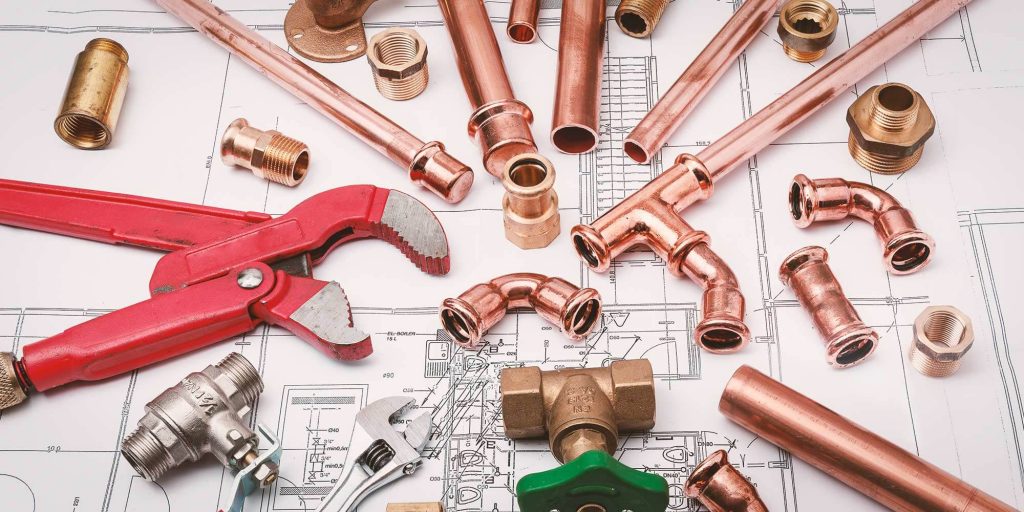
Your plumbing is an integral component of your home. But, like any system, there comes a time when things need to be mended, upgraded, or replaced. The reason could be a problem with the present system or any renovation project that needs you to change many components.
Contents
- 1 Why Upgrade Your Plumbing?
- 2 Some Key Tips
- 3 FAQs
- 3.1 Can I upgrade my plumbing myself, or do I need to hire a professional?
- 3.2 How much does it cost to upgrade plumbing?
- 3.3 What are some water-saving plumbing fixtures I can install?
- 3.4 How long does a plumbing upgrade take?
- 3.5 Will upgrading my plumbing increase my home’s value?
- 3.6 What should I look for when hiring a professional plumber?
- 4 Final Words
Why Upgrade Your Plumbing?
There are several reasons why homeowners should consider upgrading their plumbing:
Improved Functionality
One of the primary reasons to upgrade your plumbing is to improve its functionality. Over time, pipes can become corroded, clogged, or damaged, leading to leaks, low water pressure, and other issues. By upgrading your plumbing, you can ensure that your home’s water supply and drainage systems are working efficiently and effectively.
Increased Efficiency
Upgrading your plumbing can also increase its efficiency. Newer plumbing materials and fixtures are designed to be more efficient than older ones, reducing water waste and lowering your utility bills. For example, low-flow toilets and showerheads can significantly reduce your water consumption without sacrificing functionality.
Enhanced Home Value
Upgrading your plumbing can also enhance the value of your home. Potential buyers are often willing to pay more for a home with updated plumbing, as it can save them money on repairs and maintenance in the long run. Additionally, upgrading your plumbing can make your home more attractive to buyers, as it demonstrates that you have invested in maintaining and improving the property.
Improved Health and Safety
Finally, upgrading your plumbing can improve the health and safety of your home’s occupants. Older plumbing systems may contain lead pipes or other materials that can leach contaminants into your water supply. By upgrading to newer, safer materials, you can ensure that your family is drinking clean, healthy water.
Some Key Tips
However, when you begin with the plumbing upgrade, the following are some key tips that you must keep in mind-
- Hire a skilled plumber – Even if you do most of the plumbing on your own, it is prudent to hire a qualified and skilled plumber when it comes to an upgrade. You should know and trust your plumber when it comes to the well-being of your home. In addition, knowing a plumber well means you will get guidance and advice on how to maintain the system after the upgrade is over.
- Check the size of the pipes – If you are struggling with the slow system of the shower, you should take a look at your system. For example, there might be a pressure regulator set low, which prevents you from having an enjoyable flow of water when you take a shower. Here, you might need to install a good water pump to increase the flow of the water. Likewise, check the outdoor faucet of your home and ensure you have a good outdoor faucet cover for its protection.
Plumbers often say one of the biggest issues is the pipes are just too narrow, which hampers the flow without the increase of pressure. If this is an issue, you should check the pressure drop or the water temperature when the faucet is on to resolve the issue.
The only way for you to solve the problem is by upgrading the system. But, first, you should choose a larger system in size so that the performance of your shower can be improved.
When you are coping with a reduced flow, you must consider bathroom remodeling & appliances that give you the reduced flow. You will be surprised by the amount of water you can save every year.
- Replace your water heater – Standard water heaters use tanks. This water is heated in this tank, and it turns on and switches off to maintain this temperature. However, when water sits on the pipes, it cools. This means you need to run the water for some time before you get hot water.
You can also replace the water heater with a system without a tank that uses much less energy. This alternative helps you get a water heater with a circulation pump to switch on when needed. This moves the water in a specific loop through the plumping system and back to your tank. The result means you get instant hot water immediately, which helps you save time and money.
- Choose High-Quality Materials – When upgrading your plumbing, it is important to choose high-quality materials that will last for years to come. While cheaper materials may save you money upfront, they are more likely to fail or require repairs in the long run. Invest in durable, corrosion-resistant materials such as copper or PEX pipes, and choose fixtures from reputable brands.
- Water-Saving Fixtures – As mentioned earlier, upgrading to water-saving fixtures can significantly reduce your water consumption and lower your utility bills. Look for low-flow toilets, showerheads, and faucets that are designed to use less water without sacrificing performance. Some fixtures even come with certification from the Environmental Protection Agency’s WaterSense program, which indicates that they meet strict water efficiency standards.
- Install a Water Filtration System – If you are concerned about the quality of your home’s water supply, installing a water filtration system can be a great way to ensure that your family is drinking clean, healthy water. There are several types of water filtration systems available, ranging from simple pitcher filters to whole-house systems that filter all of the water entering your home. A professional plumber can help you choose the best system for your specific needs and budget.
Bonus Tip: Consider Water Jet Pump A Water jet pump is a water pump that transfers water utilizing a water jet, typically to a higher elevation. The water jet is created by a nozzle that produces a powerful stream of water. The nozzle is either an integral part of the pump or mounted externally. The pump is driven by an electric motor, gasoline engine, or water turbine.
FAQs
Can I upgrade my plumbing myself, or do I need to hire a professional?
How much does it cost to upgrade plumbing?
What are some water-saving plumbing fixtures I can install?
How long does a plumbing upgrade take?
Will upgrading my plumbing increase my home’s value?
What should I look for when hiring a professional plumber?
Final Words
Upgrading your plumbing can provide numerous benefits for homeowners, from improved functionality and efficiency to enhanced home value health and safety. By following the tips outlined in this article and choosing a professional plumber with the necessary expertise and experience, you can ensure that your plumbing upgrades are done correctly and provide lasting benefits for years to come.
If you are considering upgrading your plumbing, start by assessing your current system and identifying any existing issues that need to be addressed. From there, consider which upgrades will provide the most value for your specific needs and budget. Whether you are looking to replace outdated pipes, install water-saving fixtures, or upgrade your water heater or sewer line, there are plenty of options available to help you improve the functionality and efficiency of your home’s plumbing system.