


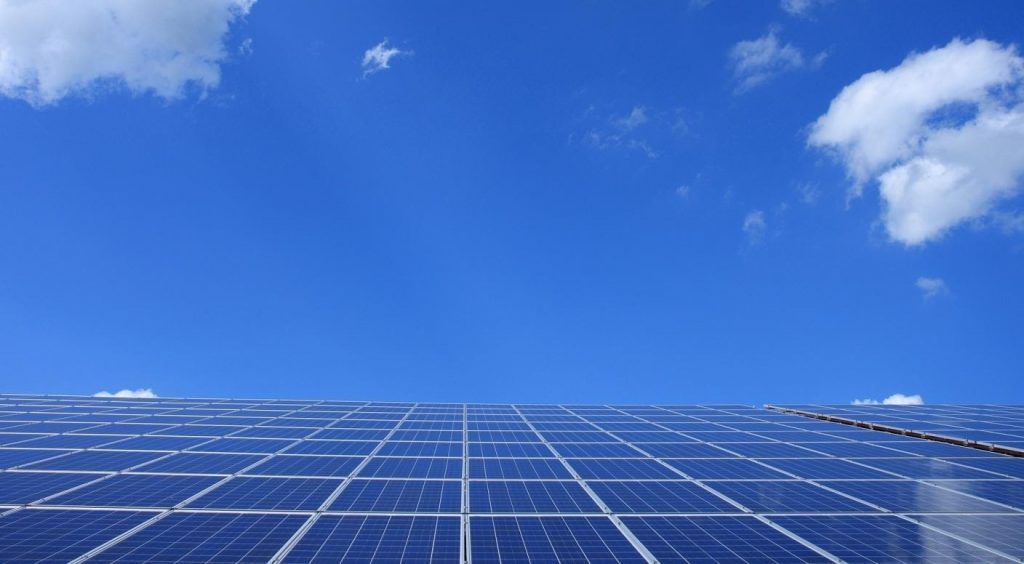
If you have decided to invest in a solar panel system for your property, you’re not alone. There are now plenty of property owners who have taken the big leap forward, and there’s no looking back for sure – especially when you consider the savings you will acquire with your system and the fact that it’s an energy source that will not run out (not in a few billion years, that is). But now that you’re determining the solar panel system for your needs, you must also consider your roof’s suitability for installation. So what should you know? Let’s find out.
Contents
The Basics of Roof Suitability
First, you must remember that even if your roof doesn’t seem ideal, it can still be made to fit a solar panel installation. You can get advice from different installers regarding this, as they can recommend a solution that would help you maximize your system’s energy output. Some installers, for instance, can recommend a solar panel roof made of integrated solar panels that would replace your actual roof’s slates or tiles. This is often ideal for newly built homes or old roofs and cannot stand the weight of a panel system.
Your solar installer will conduct a survey and provide you with projections on the amount of energy your system can generate in a year. With this, it’s easier to figure out how long it will take to recoup your solar panel investment.
Factors to consider:
The Pitch and Direction
When it comes to pitch, the ideal pitch for a roof is from 30 to 40 degrees. Although your roof’s angle may be outside this range, your system can still effectively produce electricity. A solar panel can absorb the appropriate amount of the sun’s rays even if it is placed horizontally. However, a solar panel placed under 12 degrees from a horizontal angle would not be able to self-clean, so its efficiency can be affected as it accumulates dirt.
The experts say that the best direction for your roof is southwards. Southwards-facing solar panels can get the most out of the sun’s energy while at its strongest. But even roofs facing eastwards or westwards can still be suitable for an installation, as a roof facing east can get sunlight exposure in the morning, whilst a roof facing west can take advantage of afternoon sunlight.
But don’t worry if your roof isn’t perfectly south-facing. Here’s a quick guide:
| Roof Orientation | Solar Potential |
|---|---|
| South | Excellent |
| Southeast/Southwest | Very Good |
| East/West | Good |
| North | Poor |
As for the angle, a slope between 30 to 40 degrees is ideal. But again, don’t fret if your roof isn’t at this exact angle. Solar installers can use mounting systems to adjust the panels for optimal sunlight exposure.
The Size
Your roof size (and whether it’s suitable) will depend on your array size. For example, if you want a 4kW system, you must have about 28 sq. meters of space on your roof. Also, consider obstructions on your roof that may interrupt your solar panel layout, such as roof vents, turrets, or skylights. Fortunately, plenty of installers have no problem working around those obstructions, but it may increase the installation cost.
The Material
The material of your roof will determine how strong it is for an array; if it’s not strong enough, you may need to strengthen it. Composite roofs or roofs with asphalt shingles are ideal since they are durable and reliable. Metal is another excellent material.
Sunlight Exposure
It’s not just about direction – your roof needs to bask in the sun’s rays without too much interference. Take a look around. Are tall trees, buildings, or other structures casting shadows on your roof? These obstructions can significantly reduce your solar panels’ efficiency.
Pro tip: Keep an eye on your roof throughout the day. How many hours of direct sunlight does it receive? The more, the better!
Roof Condition and Age
Here’s where things get a bit serious. Solar panels are a long-term investment, typically lasting 25-30 years. If your roof is nearing the end of its life, it might be wise to replace it before installing solar panels. Otherwise, you’ll face the costly process of removing and reinstalling the panels when you eventually need a new roof.
Check for these red flags:
- Missing or damaged shingles.
- Sagging areas.
- Water stains on your ceilings.
- Daylight is visible through the roof boards.
Structural Integrity
Last but not least, your roof needs to be strong enough to support the additional weight of solar panels. Solar panels add about 2.3 pounds per square foot to your roof’s load.
It’s always a good idea to have a professional assess your roof’s structural integrity. They’ll check for things like:
- The condition of your rafters and trusses.
- Any signs of previous water damage.
- The overall age and construction of your roof.
The Next Steps
If you’re excited about the possibility of solar power, here’s what to do next:
- Get a professional assessment: Solar installers can provide a detailed evaluation of your roof’s suitability.
- Consider your energy needs: How much electricity do you use? This will help determine the size of the system you need.
- Look into local regulations: Some areas have restrictions on solar panel installations.
- Explore financing options: From loans to leases, there are many ways to make solar more affordable.
Remember, going solar is a big decision but can also be exciting and rewarding. Take your time and research; soon, you might be harnessing the sun’s power from your roof!