



Contents
1. Sunlight
Let as much sunlight into your house during the day. From the moment the sun rises to the moment it sets, you want to let as much light and warmth filter in. Even on the coldest days, the sun is warm. If you are going to work or leaving the house all day, open all the curtains and drapes before you leave. Take note of areas in the home that don’t get any sun – you can leave those curtains closed if you prefer. You may also install a solar control film, like the ones sold at Purlfrost, to maintain the sunny atmosphere.


2. Insulate Your Windows
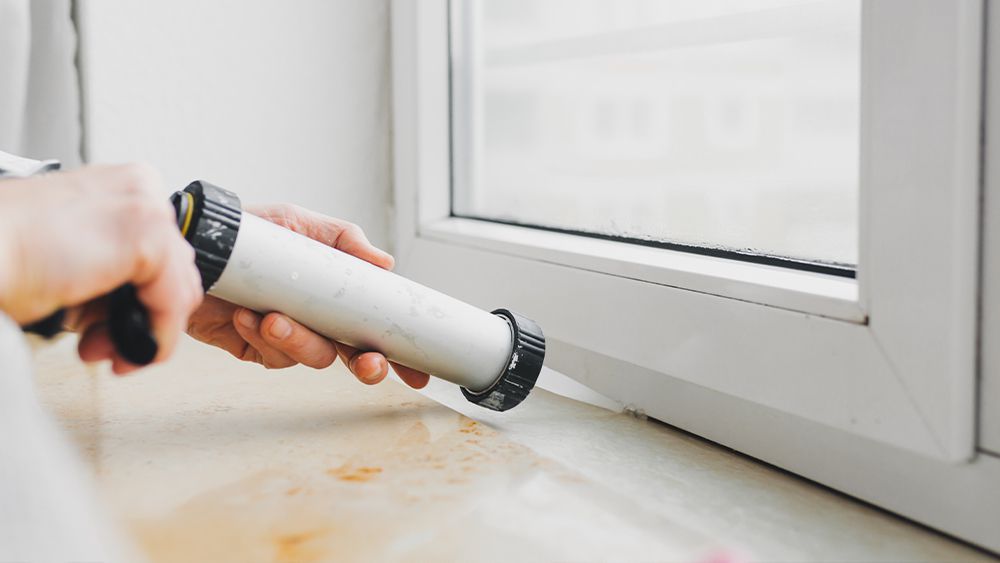
One of the main culprits of heat loss in your home is through your windows. To minimize this, you can install thermal curtains or use window insulation kits, which typically include a plastic film that can be applied to the window frame with a hairdryer. This film helps create an additional barrier against the cold air, keeping your home warmer and more energy-efficient.

3. Close Your Curtains After Dark
As the sun sets, close all the curtains and drapes to prevent the heat that collects during the day from escaping through the windows. Insulated curtains are ideal for colder climates or if you really can’t stand the cold. If you don’t have curtains, you can hang sheets or other fabric as a temporary measure to add an additional insulation layer. These temporary curtains can be very useful on the coldest nights.


4. Wood-Burning Fireplaces
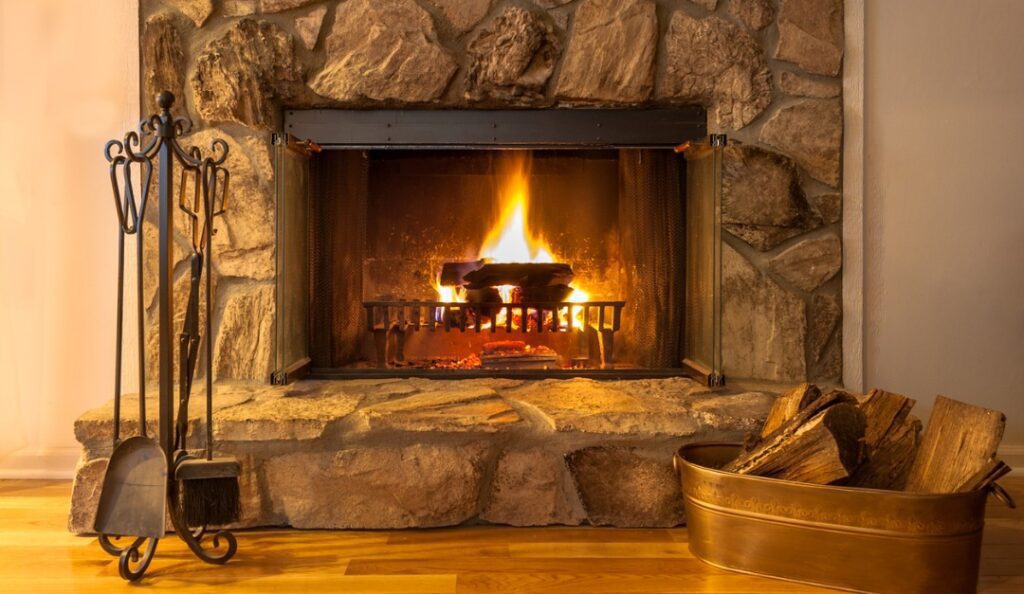
While a fire is very romantic and cosy, it doesn’t actually do very much to warm your home. It may be toasty near the fireplace, but the remainder of your home is not getting any heat. This is because the heat is being drawn out of the chimney and also because of the stack effect. The stack effects is a physics term which is described in more detail below.
This doesn’t mean you must give up on your evenings in front of the roaring flames. Use a glass front for your fireplace, preventing most of the heated air from escaping up the chimney. You should notice a difference in warmth in the room and other house areas.
Also, remember to close the flue when the fire is out. Leaving the flue open is the same as having a window open, allowing the cold air in and letting the warm air flow out.
Remember to get your boiler serviced regularly and ensure that a damaged boiler is replaced. Search boiler replacement Glasgow.

5. Reverse Switch On Ceiling Fan
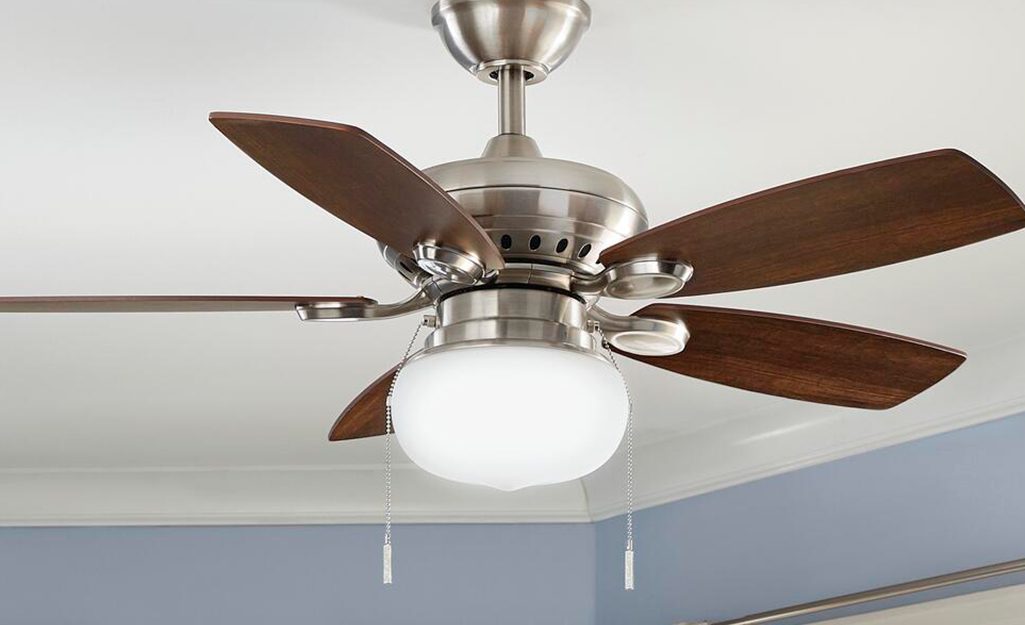
If you look at your ceiling fan, you will probably find a switch on the fan’s base. This reverse switch draws air upwards instead of blowing air down. The function is designed for winter use. Hot air rises, and the clockwise action (as opposed to counter-clockwise for summer) disperses the warm air and pushes it back down for a warmer overall temperature in a room. This is especially important in homes with domed or high ceilings that trap warm air. There is some debate about reversing your fan in Winter, as the movement may cool the air. Try it at the lowest speed to see if it works for you.

6. Seal air leaks
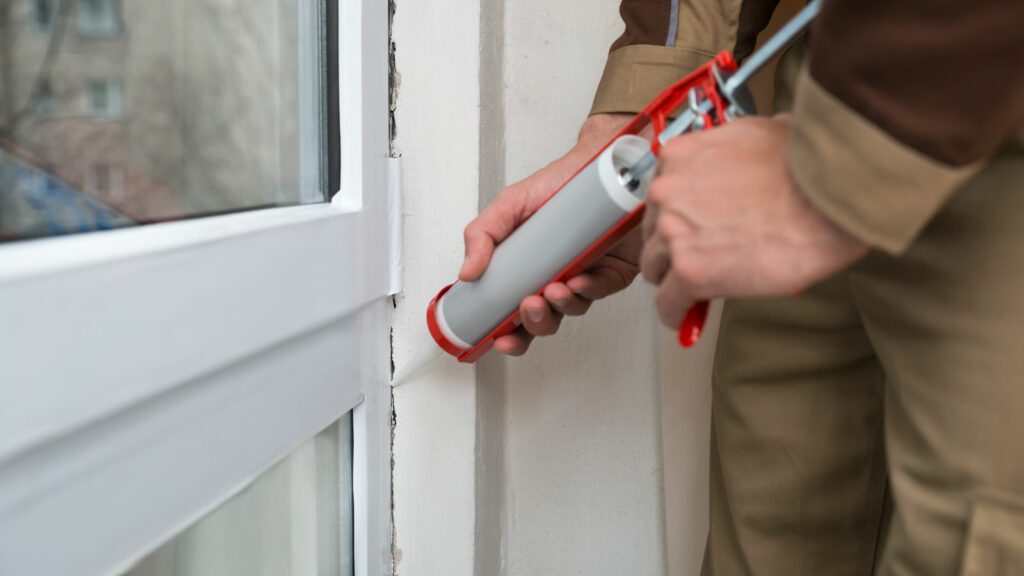
Air leaks can significantly reduce the efficiency of your home’s heating system. To address this issue, inspect your home for drafts and seal any gaps around doors, windows, and other potential sources of air leakage. Weatherstripping, caulk or draft stoppers can block the cold air from entering your home.

7. Free Your Vents
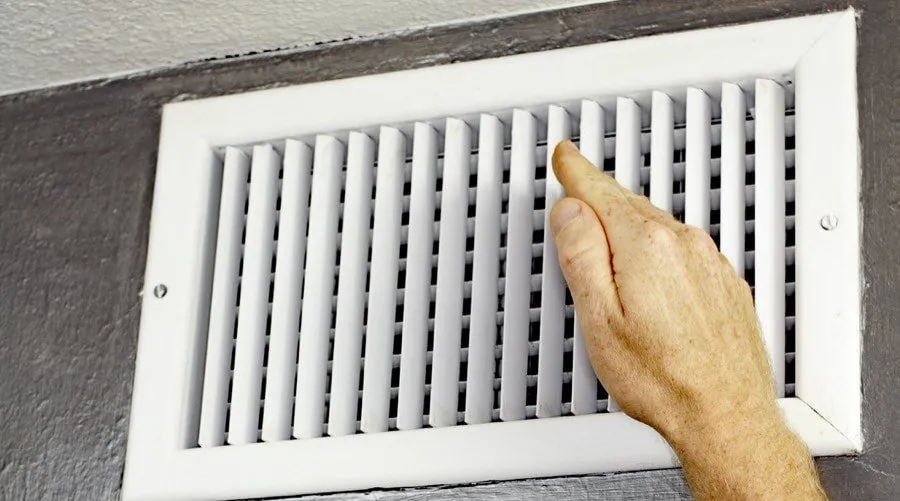
Your furniture may unknowingly be blocking the vents in your home. Check where the vents in each room are located and move any furniture items that may prevent the free flow of warm air. If space is an issue or you prefer your furniture arrangement as it was, make a concession for the colder winter months and some additional warmth. You can always move the furniture back when Spring arrives. Remember that blocking the vents in a central heating system may result in pressure problems that will affect the airflow throughout the house.

8. The Stack Effect
The stack effect is how air moves in and out of houses and other types of structures, creating, in effect, a chimney. As warm air rises, it draws cold air from the outdoors into the home through even the smallest of gaps. This results in negative pressure, which in turn causes suction as the warm escapes and needs to be replaced. The effect, of course, cools the home. The taller the home, the greater the impact of the stack house effect – especially for lower levels where the cold air is being drawn in. Be aware of this effect in double or multi-story homes and buildings.
The best way to eliminate the stack effect is to seal up any gaps where cool air can enter. Doors and windows are the most common source of possible gaps. You can test where there are gaps in your home by using a lit candle. Place the flame near the window or door, and if it flickers or leans to one side, a gap draws warm air out. Remember that even the smallest crack or gap can make a huge difference in keeping your home warmer this winter.
Door snakes or door sweeps are great to prevent drafts and warm air from escaping under a door during winter. Weather stripping can be used to effectively seal up the spaces between doors or windows and their frame.


9. Seal Cracks And Gaps
Air may also leak in or out in other home areas, such as cracks and gaps due to wear and tear or poor construction. The attic and basement are the main contenders for these types of leaks. Check the kitchen hood vent in your home as well. Energystar.gov provides useful information on how to detect leaks and seal them. Tip: Caulking may become your new best friend.