


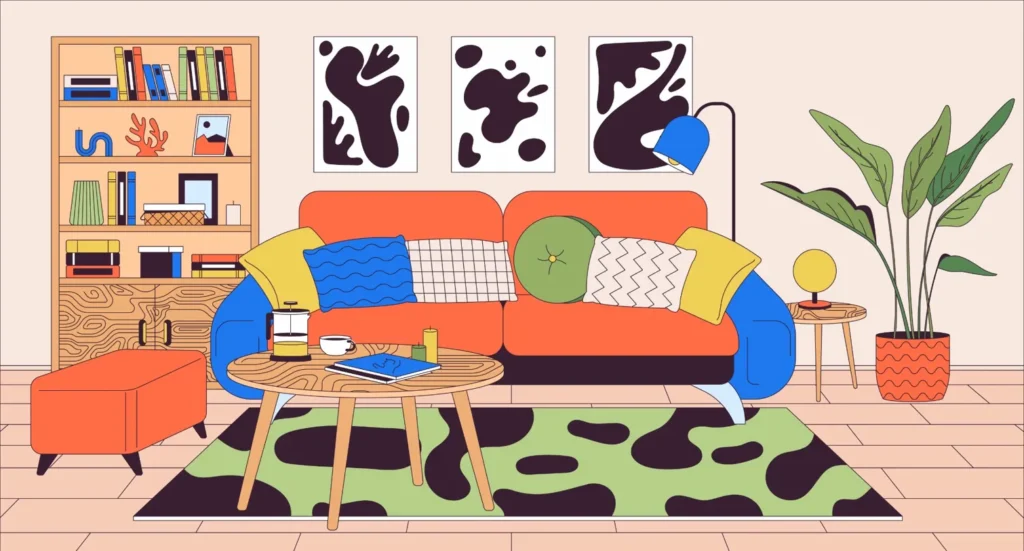
The living room remains the heart of contemporary homes, serving as a multifunctional space where families gather, guests are entertained, and daily life unfolds. Creating an ideal living room requires thoughtful consideration of design principles, functionality, and personal style. With Americans spending an average of four hours daily in their living spaces according to recent housing surveys, optimizing this area has become more important than ever.
Contents
Understanding Space and Layout Fundamentals
The foundation of any successful living room begins with understanding your available space and how to maximize it. National Average: As of 2024–2025, the median size of a new single-family home in the United States is approximately 2,146 to 2,210 square feet.. The key is creating distinct zones within the space without making it feel cramped or disconnected.
Start by identifying the room’s focal point, whether that’s a fireplace, large window with a view, or entertainment center. Arrange your primary seating to face this focal point while maintaining comfortable conversation distances. Design experts recommend keeping seating arrangements within eight feet of each other to facilitate easy conversation without raising voices.
Traffic flow deserves equal attention in the planning phase. Ensure clear pathways of at least 30 inches wide through the room, allowing people to move freely without navigating around furniture. This becomes especially crucial in open-concept homes where living rooms connect directly to dining areas or kitchens.
Furniture Selection and Arrangement
Choosing the right furniture involves balancing comfort, style, and proportion. A sofa typically serves as the anchor piece, and selecting one that fits your space properly is essential. For most living rooms, a sofa measuring between 84 to 96 inches works well, though smaller spaces may require loveseats or apartment-sized sofas measuring 72 inches or less.
Complementary seating options add versatility and visual interest. Accent chairs, ottomans, and benches provide additional seating while contributing to the room’s aesthetic character. Modern design trends favor mixing materials and styles rather than purchasing matching furniture sets, creating a more curated and personalized appearance.
Coffee tables and side tables complete the functional furniture arrangement. The coffee table should sit approximately 18 inches from the sofa, with a height that matches or sits slightly lower than the seat cushions. This configuration ensures comfortable reach while maintaining proper visual proportions.
Lighting Strategies for Modern Living
Effective lighting transforms a living room from merely functional to truly inviting. Layer your lighting approach using three distinct types: ambient, task, and accent lighting. This multi-layered strategy allows you to adjust the atmosphere based on activities and time of day.
Ambient lighting provides overall illumination for the space. This often comes from overhead fixtures, recessed lighting, or a ceiling fan with remote from Hunter. These fixtures offer the dual benefit of air circulation and illumination, with remote controls adding convenient functionality that aligns perfectly with modern living preferences.
Task lighting addresses specific activities like reading, working on laptops, or hobbies. Floor lamps positioned beside reading chairs and table lamps on side tables provide focused light exactly where needed. LED bulbs have become the standard choice, offering 75% more energy efficiency than traditional incandescent bulbs while lasting up to 25 times longer.
Accent lighting adds depth and drama through highlighting architectural features, artwork, or decorative objects. Wall sconces, picture lights, and strategically placed uplights create visual interest and make the space feel more sophisticated and complete.
Color, Texture, and Material Considerations
Color psychology plays a significant role in how living rooms feel and function. Neutral palettes continue dominating modern design, with 60% of homeowners choosing whites, grays, and beiges as their primary wall colors according to paint industry data. These versatile backgrounds allow flexibility in accent colors through furniture, artwork, and accessories.
Incorporating varied textures prevents neutral spaces from feeling flat or sterile. Combine smooth leather or linen upholstery with nubby throw pillows, soft area rugs, and wooden or metal accent pieces. This textural diversity creates visual and tactile interest that makes spaces feel more inviting and thoughtfully designed.
Natural materials have surged in popularity as homeowners seek connections to nature within their interiors. Wood furniture, stone accents, plants, and natural fiber textiles bring organic warmth to contemporary spaces while supporting sustainability goals.
Technology Integration and Smart Features
Modern living rooms increasingly incorporate technology seamlessly into their design. Smart home systems now appear in approximately 35% of American households, controlling lighting, temperature, entertainment systems, and security features through centralized interfaces or voice commands.
Concealing wires and equipment maintains clean aesthetics while keeping technology accessible. Built-in cable management, furniture with integrated charging stations, and wireless speakers eliminate visual clutter associated with modern devices.
Personalizing Your Space
The ideal living room ultimately reflects the personalities and lifestyles of those who use it. Display meaningful artwork, family photographs, collections, or travel mementos that tell your story. These personal touches transform generic spaces into homes that feel authentically yours.
Creating the perfect modern living room requires balancing aesthetics with functionality, trends with timelessness, and personal preferences with practical needs. By thoughtfully addressing each element from layout and lighting to color and technology, you can design a living room that serves as a beautiful, comfortable hub for daily life.