


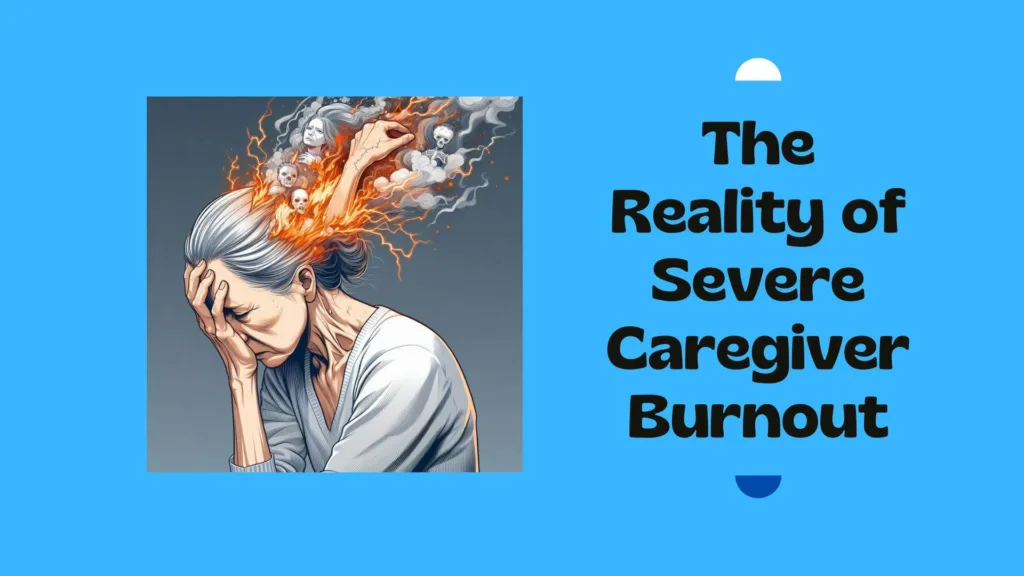
The purpose of this content is to shed light on the serious and often overlooked issue of severe caregiver burnout, highlighting its causes, symptoms, and consequences for both caregivers and care recipients. It aims to increase awareness and understanding of the emotional, physical, and mental toll that caregiving can take on individuals, emphasizing the need for early intervention, support systems, and societal recognition of caregiving’s challenges and value.
Severe caregiver burnout is a critical issue that lurks in the shadows of the caregiving community, affecting countless individuals who dedicate their lives to caring for others. This condition is characterized by extreme physical, emotional, and mental exhaustion, leading to a diminished ability to cope with the demands of caregiving. It’s a silent crisis that demands our attention and understanding, as the well-being of both caregivers and those they support hangs in the balance.
Understanding the intricate dynamics of severe caregiver burnout requires a deeper dive into the roots of burnout and the specific symptoms and signs that signal its presence. This condition, born out of the chronic stress and high demands of caregiving, has profound implications for both the caregiver and the recipient of care.
Contents
The Roots of Burnout
Caregiver burnout is fundamentally rooted in the chronic stress that comes with caregiving responsibilities. Several factors often magnify this stress:
- Lack of Resources: Many caregivers need the necessary tools, financial support, or information to provide adequate care, leading to increased strain and frustration.
- Insufficient Support: Emotional and logistical support from family, friends, or healthcare systems can be scarce, leaving caregivers feeling isolated in their responsibilities.
- Lack of Recognition: The societal undervaluation of caregiving work contributes to a sense of invisibility and underappreciation among caregivers, further exacerbating feelings of worthlessness and exhaustion.
These factors contribute to a cycle of relentless caregiving tasks, where caregivers find little to no time for self-care or relaxation, leading to severe emotional, physical, and mental depletion.
Symptoms and Signs of Severe Caregiver Burnout
The symptoms of severe caregiver burnout manifest in various emotional, physical, and behavioral signs, indicating the need for immediate intervention:
- Emotional Symptoms:
- Overwhelming Fatigue: A profound sense of tiredness that isn’t relieved by rest, affecting the caregiver’s ability to function daily.
- Irritability: Short-temperedness and frustration over minor issues, often reflecting the caregiver’s depleted emotional reserves.
- Feelings of Hopelessness: A pervasive sense of despair or inadequacy, feeling like the situation will never improve.
- Detachment: Emotional withdrawal from the care recipient, where the caregiver feels numb or indifferent, often as a protective mechanism against overwhelming stress.
- Physical Symptoms:
- Headaches and Muscle Pain: Stress-induced physical symptoms that persist, affecting the caregiver’s well-being.
- Sleep Disturbances: Difficulty falling or staying asleep or excessive sleeping, indicating an imbalance in the caregiver’s health.
- Weakened Immune System: Increased susceptibility to illnesses, as chronic stress compromises the body’s immune response.
- Behavioral Changes:
- Neglecting Responsibilities: Missing appointments or needing to be on time in administering care due to burnout.
- Withdrawal from Social Activities: Isolating oneself from friends and family, losing interest in previously enjoyed activities.
- Changes in Appetite or Weight: Significant weight gain or loss as a response to stress or depression.
- Substance Abuse: Increasing reliance on alcohol, drugs, or medications as a coping mechanism for stress.
- Cognitive Symptoms:
- Difficulty Concentrating: Struggling to focus on tasks or make decisions due to mental exhaustion.
- Memory Problems: Forgetfulness or trouble recalling important information related to caregiving duties.
- Constant Worry: Persistent anxiety about the care recipient’s health, finances, or future.
- Emotional Symptoms:
- Guilt: Feeling guilty for taking time for oneself or not doing enough for the care recipient.
- Resentment: Growing bitterness towards the care recipient or the caregiving role itself.
- Mood Swings: Rapid changes in mood, alternating between anger, sadness, and anxiety.
- Crying Spells: Frequent episodes of crying due to overwhelming emotions and stress.
- Physical Symptoms:
- Gastrointestinal Issues: Developing stomach problems, such as ulcers or irritable bowel syndrome (IBS), due to prolonged stress.
- Cardiovascular Problems: Increased risk of high blood pressure, heart disease, or stroke due to chronic stress.
- Neglecting Self-Care: Skipping meals, not exercising, or not attending to one’s own medical needs.
- Interpersonal Challenges:
- Conflicts with Family Members: Increased disagreements or tension with family members regarding caregiving responsibilities or decisions.
- Strained Relationships: Difficulty maintaining healthy relationships with a spouse, children, or friends due to caregiving demands.
- Isolation: Feeling alone or unsupported in the caregiving journey, lacking a strong support network.
The Importance of Early Intervention
Recognizing these symptoms as early as possible is crucial to intervene effectively. Early intervention strategies can include:
- I am seeking professional help.
- Establishing a more sustainable caregiving routine.
- I am incorporating stress-reduction techniques.
- I am reaching out for support from community resources or support groups.
By acknowledging the severe impact of caregiver burnout and taking steps to address it, caregivers can find a path toward recovery and balance, ensuring the well-being of both themselves and those they care for.
The Impact of Burnout
The impact of severe caregiver burnout on caregivers is profound and multifaceted, affecting virtually every aspect of their lives. This state of chronic stress and exhaustion can have severe repercussions, not only on the caregivers’ health and well-being but also on their relationships and their ability to provide care. Understanding these impacts in greater detail highlights the urgent need for interventions and support systems to protect and sustain caregivers’ health and emotional well-being.
Health and Well-being
- Mental Health Issues: Caregivers experiencing severe burnout are at a high risk of developing significant mental health problems. Depression and anxiety are among the most common issues, characterized by persistent sadness, worry, and a sense of hopelessness. These conditions can stem from the relentless stress and emotional toll of caregiving, compounded by a lack of support and recognition. In severe cases, caregivers may also experience panic attacks, severe mood swings, or thoughts of self-harm, signaling the need for immediate professional intervention.
- Physical Health Decline: The physical demands of caregiving, combined with chronic stress, can lead to a deterioration in physical health. Caregivers may suffer from high blood pressure, heart disease, or a weakened immune system, making them more susceptible to infections and illnesses. Chronic fatigue, sleep disturbances, and weight fluctuations are also common, further diminishing the caregiver’s quality of life and capacity for care.
Relationships and Social Life
- Strained Relationships: The intense demands of caregiving can significantly strain relationships with friends, family members, and even the care recipient. Caregivers may find themselves increasingly isolated, as the time and energy required for caregiving leave little room for social interactions or maintaining relationships. This isolation can exacerbate feelings of loneliness and depression.
- Family Dynamics: Within families, caregiver burnout can lead to conflicts and resentment, especially if one member feels the disproportionate burden of caregiving responsibilities. It can also affect the caregiver’s relationship with the care recipient, sometimes leading to impatience, frustration, or detachment, which can be distressing for both parties.
Ability to Provide Care
- Decreased Quality of Care: One of the most direct consequences of caregiver burnout is its impact on the quality of care provided. Exhaustion, both physical and emotional, can lead to mistakes in medication management, missed appointments, or a general decline in the attentiveness and quality of care. This not only affects the caregiver’s sense of efficacy and fulfillment but also directly impacts the health and well-being of the person receiving care.
- Decision Making: Severe burnout can impair a caregiver’s judgment and decision-making capabilities. When overwhelmed, caregivers may find it challenging to make informed decisions regarding the care recipient’s health and welfare, potentially leading to decisions that are not in the best interest of the care recipient.
The far-reaching consequences of severe caregiver burnout underscore the necessity for comprehensive support and resources for caregivers. By acknowledging and addressing the impact of burnout, society can take meaningful steps toward supporting these vital members of the healthcare ecosystem, ensuring they have the resilience, resources, and support needed to sustain their caregiving roles without sacrificing their health and well-being.
Addressing Severe Caregiver Burnout
The first step in addressing severe caregiver burnout is recognizing and acknowledging its presence. Caregivers and their support networks must be vigilant in identifying the early signs of burnout and take immediate steps to address it.
Support Systems and Resources
Creating robust support systems for caregivers is essential. This can include access to respite care, counseling services, support groups, and educational resources to help them manage stress and find balance in their caregiving roles.
The Impact of Caregiver Burnout on Care Recipients
When caregivers experience severe burnout, it not only affects their own well-being but also has significant consequences for the individuals they are caring for. Here are some ways in which caregiver burnout can negatively impact care recipients:
- Decreased Quality of Care
- Exhausted caregivers may struggle to provide the same level of attention and care they once did.
- They may miss important details or fail to follow care plans consistently.
- This can lead to care recipients not receiving the necessary support for their physical, emotional, and medical needs.
- Increased Risk of Errors
- Burnout can cause caregivers to be forgetful, distracted, or inattentive.
- They may make mistakes when administering medications, following treatment regimens, or assisting with daily tasks.
- These errors can have serious consequences for the health and safety of care recipients.
- Neglect of Care Recipient’s Needs
- Caregivers experiencing burnout may begin to neglect certain aspects of their caregiving duties.
- They may skip meals, fail to provide proper hygiene, or leave care recipients alone for extended periods.
- This neglect can lead to malnutrition, poor hygiene, and feelings of abandonment in care recipients.
- Increased Risk of Abuse
- In extreme cases of burnout, caregivers may lash out verbally or even physically towards care recipients.
- This abuse is not intentional but rather a result of the caregiver’s overwhelming stress and lack of coping mechanisms.
- Abuse can cause physical harm, emotional trauma, and a breakdown in the trust between the caregiver and care recipient.
- Deterioration of Care Recipient’s Health
- When care recipients do not receive consistent, high-quality care, their overall health and well-being can suffer.
- They may experience worsening symptoms, delayed recovery, or the development of new health problems.
- This deterioration can lead to increased hospitalizations, longer recovery times, and a reduced quality of life.
It is important to recognize that caregiver burnout can have severe consequences for care recipients, even when caregivers have the best intentions. By addressing burnout and providing support for caregivers, we can help ensure that care recipients receive the consistent, compassionate, and high-quality care they need and deserve.
Some Case Studies
Case Study 1: The Full-Time Working Caregiver
- Background: Maria is a full-time marketing specialist and the primary caregiver for her aging father with Alzheimer’s. Balancing work responsibilities and caregiving has become increasingly difficult, leading to chronic stress and exhaustion.
- Challenges: Maria struggles with time management, feeling guilty for not being able to dedicate more time to her father. She experiences sleep disturbances and has little time for social interactions or self-care.
- Intervention: After recognizing signs of burnout, Maria reaches out to a local caregiver support group for advice. She learns about respite care services and decides to use them to take periodic breaks. Maria also arranges a flexible working schedule with her employer to better manage her responsibilities.
- Outcome: With the support network and respite care, Maria feels less overwhelmed. She finds more balance between work, caregiving, and personal time, reducing her stress levels and improving her overall well-being.
Case Study 2: The Sandwich Generation Caregiver
- Background: James, a father of two teenagers, also cares for his mother who recently suffered a stroke. As a member of the “sandwich generation,” he feels caught between the needs of his children and his mother.
- Challenges: Financial pressures mount as James navigates healthcare costs for his mother and college savings for his children. He often feels frustrated and isolated, leading to irritability with his family.
- Intervention: Recognizing he cannot do it alone, James consults a financial advisor to plan his finances better and explores government assistance programs for his mother’s care. He also joins a support group for sandwich generation caregivers, finding solace in shared experiences.
- Outcome: James feels more in control of his financial situation and less isolated. The emotional support from the group helps him manage his stress, and open communication with his family improves their dynamics.
Case Study 3: The Long-Distance Caregiver
- Background: Anita lives three hours away from her elderly aunt, who has no immediate family nearby. Anita manages her aunt’s medical appointments, finances, and home maintenance from a distance, which requires frequent travel and remote coordination.
- Challenges: The logistical difficulties and constant worry about her aunt’s well-being take a toll on Anita’s mental health, leading to anxiety and feelings of guilt for not being closer.
- Intervention: Anita seeks help from a professional care manager in her aunt’s area, who can oversee daily needs and emergency situations. She also uses technology, like video calls and health monitoring apps, to stay connected and informed.
- Outcome: With professional help and technology, Anita feels less anxious and more connected to her aunt. The reduced burden allows her to focus on her own health and well-being while ensuring her aunt is cared for.
These case studies illustrate the diverse challenges caregivers face and highlight the importance of seeking support, utilizing available resources, and finding sustainable ways to manage caregiver responsibilities alongside personal well-being.
At The End
Addressing severe caregiver burnout requires a societal shift in how we view and value caregiving. This includes policy changes that provide caregivers with the financial, emotional, and logistical support they need to sustain their caregiving efforts without sacrificing their well-being.
In the shadows of care, the reality of severe caregiver burnout is a pressing issue that demands our collective attention and action. By acknowledging the challenges, providing support, and fostering a culture of care, we can begin to bring this issue to light and ensure that caregivers receive the care and recognition they so deeply deserve.