



Hey there! If you and your partner have been trying to have a baby for a while without success, don’t worry – you’re not alone. In fact, did you know that around 48 million couples and 186 million individuals worldwide are dealing with fertility problems? That’s a lot of people! Let’s chat about some things that might affect your ability to have a baby.
Contents
What’s Going On With Your Body?

For the Ladies: Periods and More
First things first, let’s talk about periods. If you’re a woman, having regular periods usually means your reproductive system is working well. But if your periods are all over the place or you’re not having them at all, it might be a sign that something’s up.
Now, it’s totally normal for your period to start a few days earlier or later each month. The amount of flow can change too. But if you haven’t had a period in months or your cycle is super unpredictable, it’s a good idea to chat with a doctor.
For the Guys: It’s Not Just About the Ladies
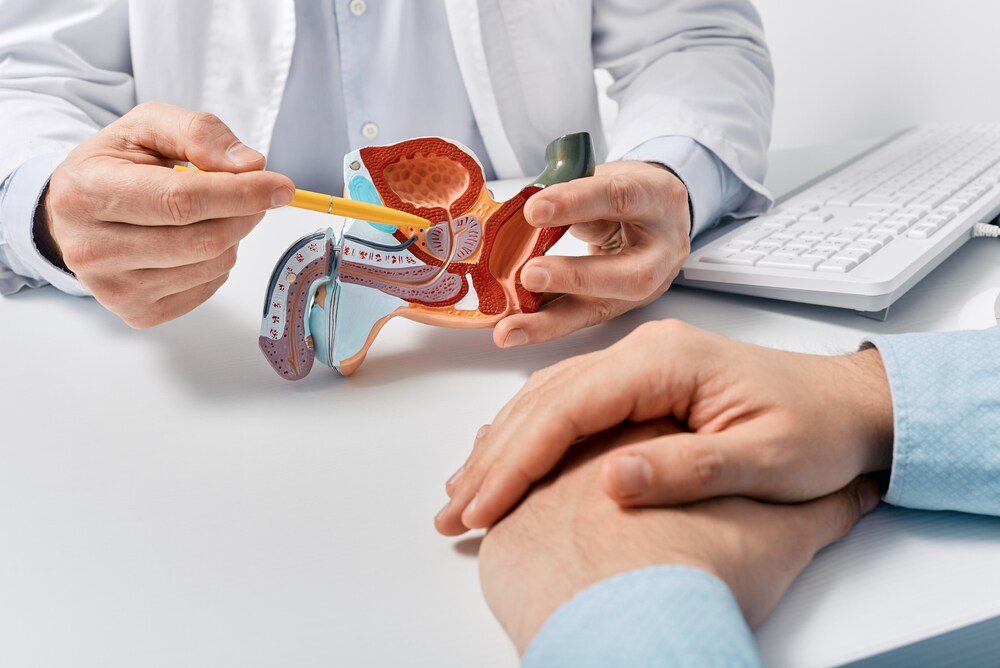
Fellas, you’re not off the hook! While we often think of fertility as a “woman’s issue,” that’s not the case. Men can have fertility problems too. Things like the quality and quantity of sperm can make a big difference when trying to have a baby.
Common Fertility Roadblocks


Let’s look at some things that might make it harder to have a baby:
1. Irregular or Absent Periods
For women, having healthy and regular periods signifies that almost everything with their reproductive systems is going well. But if you have been suffering from highly irregular periods or no periods, it can definitely be a sign of infertility.
Usually, the starting date of your period can vary between 2 to 7 days, and even the flow can be irregular at times. it’s not a good sign if you haven’t gotten your periods for months or your cycle is completely messed up.
2. Multiple Miscarriages
There’s nothing more heartbreaking for a parent than the loss of their child. If you or your partner has experienced multiple miscarriages, it can also be a risk factor for infertility in the future.
Since a miscarriage tends to change the entire physiological composition of the human body, from hormones to structure, it’s not surprising that so many women who have had more than one miscarriage often fail to conceive. However, alternate options like IVF are always available today.
3. Age (older than 35 years)
Another common risk factor for infertility is your age. While men can produce sperm all their lives, women’s ova, or eggs, are limited. However, studies have clearly stated that men and women suffer from fertility issues once they are 35 or older.
In men especially, the quality of sperm tends to decline once they reach about 35 years, and even the genetic makeup of the sperm might change. So there is a high chance that the child might be born with some problems.
4. Weight
Even though this sounds harsh, your weight can play a very important role in fertility. Being overweight or underweight, to the point where your body is not able to function properly, is a major risk factor in infertility.
In many countries, such as the US, obesity is one of the most common causes of infertility. Research has also said that men with BMI lower than 20 might suffer from a low concentration of sperms or a large amount of low-quality sperms.
5. Chronic Diseases
Chronic diseases, such as diabetes can increase the chances of infertility. Even other illnesses like hypothyroidism or periodontal diseases can reduce your chances of conceiving a baby.
Even if you’re undergoing treatment for your chronic illness, the types of medications that you are taking and the amount can negatively impact your chances of giving birth. But, since nobody can stop their chronic illness treatment, it’s best to look for other viable childbirth options.
6. Cancer
Cancer is a deadly disease that has only been consuming more and more people each year. If you or your partner has undergone cancer treatment, such as chemotherapy, you must consult a doctor before going forward with your infertility treatment.
This mainly happens because the chemicals and other hormones that target the cancer cells adversely affect the male sperm and the female ova. If you’re planning to undergo infertility treatment, ensure it doesn’t clash with your cancer therapy.
7. Substance Abuse
We are so caught up in the business of life we often like to take a break by indulging in alcohol or cigarettes. Some people even go the extra mile and take up drugs.
However, these substances contribute heavily to infertility problems. This is why doctors ask pregnant women never to smoke or drink. Even if you or your partner isn’t pregnant, you must cut down on your alcohol or tobacco use as much as possible to lead a healthy life.
Let’s Break It Down
Here’s a simple table to sum up some of the main fertility factors we’ve talked about:
| Factor | How it Affects Fertility |
| Age | Egg quality and quantity decrease in women; sperm quality may decrease in men |
| Weight | Being very over or underweight can disrupt hormones |
| Health | Chronic diseases can impact reproductive health |
| Lifestyle | Smoking, alcohol, and drugs can reduce fertility |
What Can You Do?
If you’re worried about your fertility, here are some steps you can take:
- Talk to your doctor: They can run tests and give you personalized advice.
- Make healthy lifestyle changes: Eat well, exercise, and cut back on harmful habits.
- Consider your options: There are many ways to become a parent, including IVF, sperm donation, and adoption.
- Stay positive: Remember, many people with fertility issues go on to have healthy babies.
Wrapping It Up
Dealing with fertility problems can be tough, but remember – you’re not alone, and there’s always hope. Whether you end up having a baby through natural conception, medical help, or adoption, there are many paths to parenthood.
The most important thing is to take care of yourself and your partner during this journey. Talk to each other, seek support when you need it, and don’t be afraid to ask questions or explore your options.
Remember, every family is unique and special, no matter how it comes together. Wishing you all the best on your path to parenthood!