



As a seasoned business owner and financial consultant, I’ve learned firsthand that finance management is the backbone of any successful company. Over the years, I’ve not only navigated my own financial challenges but also guided countless clients through theirs. In this post, I’ll share my personal experiences and the lessons I’ve learned about effectively managing business finances. From bookkeeping nightmares to budgeting breakthroughs, I’ve seen it all – and I’m here to help you avoid the pitfalls I’ve encountered.
Contents
What is Business Financial Management?

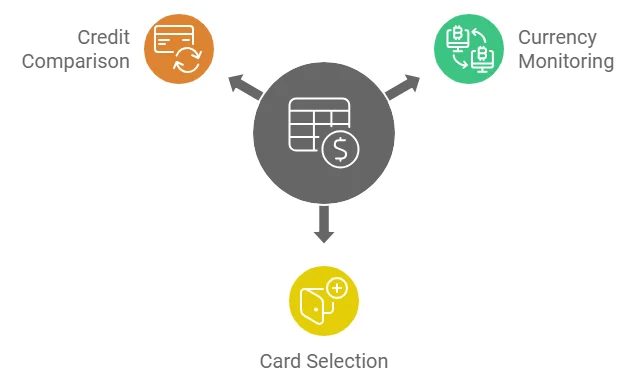
In my years of experience, I’ve come to understand that financial management is more than just crunching numbers. It’s about crafting a financial roadmap for your business. I remember when I first started out, I was overwhelmed by the complexities of cash flow, investments and financial reporting. But as I delved deeper, I realized that mastering these elements was crucial for achieving my business goals. For it we advise My Fin, it is a website with which you can:
- Keep a close eye on currency exchange rates, which saved one of my import/export clients thousands in transaction fees.
- Help clients choose the right card for their specific needs and spending patterns.
- Use the calculator feature to compare credit card offers, which help a startup client secure the best terms for their business credit card.
Financial management is a critical function in any business because it ensures that a company has the resources it needs to achieve it’s goals. Proper financial management can also help improve profitability and protect against financial risks. Thus, financial management of a business is a vital part of running a successful company.
Tips to Manage Your Business Finances

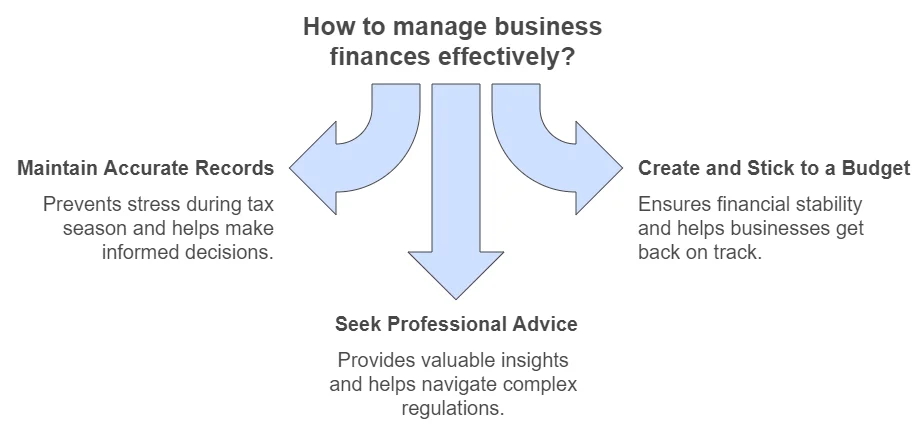
- Maintain Accurate Records: I learned this lesson the hard way. In my early days, my haphazard record-keeping led to a stressful tax season and nearly cost me a major contract. Now, I meticulously track every dollar that comes in and goes out. This habit has not only saved me countless headaches but has also helped me make informed decisions that have propelled my business forward.
- Create and Stick to a Budget: I once had a client who was on the brink of bankruptcy. When we sat down to review their finances, I realized they had no budget in place. Together, we created a realistic budget and within six months, their business was back on track. This experience taught me the power of budgeting and I’ve applied it religiously in my own business ever since.
- Seek Professional Advice: Even as a financial consultant, I know the value of a second opinion. When I was considering expanding my business internationally, I consulted with a global tax expert. Their insights helped me navigate complex regulations and ultimately saved me from making a costly mistake. Don’t hesitate to seek expert advice – it can be the best investment you make.
Frugality Pays in Business


I’ve always been a believer in the power of frugality and it’s a principle I preach to all my clients. I remember a tech startup I advised that was burning through their venture capital on unnecessary perks. We implemented a frugality-first approach, cutting non-essential expenses and redirecting funds to core operations. The result? They extended their runway by 18 months and secured additional funding due to their improved financial position.
Cash Flow: The Lifeblood of Your Business


Understanding cash flow was a game-changer for my business. I recall a period when my business was growing rapidly, but I was constantly stressed about paying bills. It wasn’t until I dug deep into my cash flow patterns that I realized the issue: my payment terms were too lenient and I was essentially financing my client’s businesses. By adjusting my invoicing strategy and setting up a cash reserve, I transformed my financial stability.
I’ve since helped numerous clients implement similar strategies. One retail client was able to weather a seasonal downturn that had previously forced them to take out high-interest loans, simply by better managing their cash flow based on the insights we uncovered together.
Exploring Financing Options
Throughout my career, I’ve helped businesses navigate various financing options. Here are some real-life examples:
- Bank Loans: I secured a low-interest bank loan to fund my business expansion, leveraging my strong credit history and solid financial records.
- Venture Capital: A tech client of mine successfully pitched to VCs, securing funding that catapulted their growth.
- Personal Savings: I bootstrapped my consulting business using personal savings, which taught me invaluable lessons in financial discipline.
- Crowdfunding: A client with a unique product idea raised initial capital through a successful crowdfunding campaign, which we carefully planned and executed.
Each of these methods has it’s pros and cons and I’ve seen firsthand how choosing the right option can make or break a business.
FAQs
How can I improve my business’s creditworthiness?
Is it necessary to hire a professional accountant for my small business?
How much should I keep in my business emergency fund?
What’s the best way to finance business growth?
How can I reduce my business expenses without compromising quality?
What financial metrics should I be tracking regularly?
Conclusion
Looking back on my journey, I can confidently say that mastering financial management has been key to my success and that of my clients. It’s not always easy and I’ve had my share of sleepless nights worrying about balance sheets. But with the right approach, tools and mindset, any business can overcome financial hurdles.
Remember, every financial challenge is an opportunity to learn and grow. By sharing my experiences, I hope to help you navigate your own financial journey with more confidence and success. Here’s to your financial prosperity!
Good luck!