


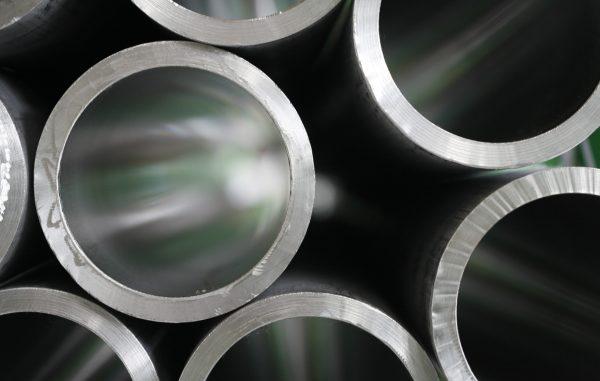
As an author who often writes about industrial topics, I’ve had to familiarize myself with all sorts of technical details. One area that initially puzzled me was the different types of pipe ends. Who knew there could be so much variety in how a pipe ends? But as I dug deeper, I realized how crucial these differences are in various applications. Let me break it down for you in a way that makes sense to us non-engineers:
- Threaded Ends: Think of these as the screw-on caps of the pipe world. They come in two flavors:
- Pipe thread (Whitworth or Briggs): These are your everyday threaded pipes, like the ones you might find under your kitchen sink.
- Thread for drill stems (Briggs): These are the tough guys used in drilling operations. I once visited an oil rig for a book I was writing, and these were everywhere!
- Smooth Ends: These are the most common types I’ve come across. They’re like the blank canvas of pipes, ready to be welded together. In fact, during a factory tour for my latest novel, I saw hundreds of these being prepared for welding.
- Flare-Ended Tubes: These are less common, but they caught my eye during a research trip to a shipyard. They’re mostly used in carrier pipes, giving them a distinct flared-out look at the ends.
- Pipes with Rims for Loose Flange: These aren’t as common as they used to be, thanks to welding becoming so popular. But I did spot some in an older factory I visited – they have a little rim at the end to hold a flange in place.
Understanding these differences has really helped me add authenticity to my industrial scenes. Who would have thought that the humble pipe end could be so varied and important?
Contents
The Most Popular Dimensions of Steel Pipes

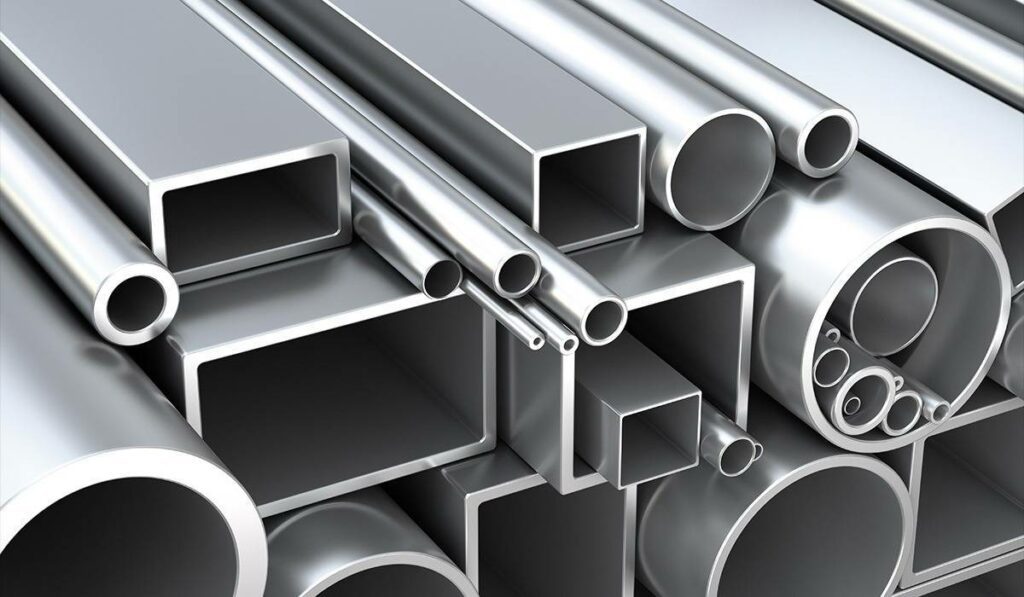
I’ve found myself knee-deep in the world of steel pipes more times than I can count. Let me tell you, it’s been quite the learning curve! But I’ve come to appreciate the intricate details that go into something as seemingly simple as a pipe. Here’s what I’ve learned along the way:
The Basics: Not Just a Hollow Tube
When I first started researching pipes for a novel set in an oil refinery, I thought a pipe was just a pipe. Boy, was I wrong! The key dimensions are the outer diameter and wall thickness. These aren’t just random numbers – they’re carefully normalized based on how the pipe will be used and how it’s made. And here’s a fun fact I picked up: the inner diameter? It’s actually a result of these two main dimensions.
A System of Pipe Dimensions
I remember sitting in a pipe manufacturer’s office, trying to wrap my head around their dimension system. It’s like a carefully choreographed dance between the outer diameter and the range of wall thicknesses. And get this – they even factor in profitability! Who knew pipes could be so complex?
Carrier Pipes: The Trendsetters
In my research, I learned that carrier pipes were the first to have their dimensions systematized. It’s like they’re the popular kids of the pipe world – all the other pipes had to follow their lead because they were made on the same machines.
A Tale of Two Systems
Here’s where it gets really interesting. In my travels researching for my books, I’ve come across two main systems:
- The British Way: This system, based on the Whitworth thread (55° flank angle), is widely used in Europe. I saw this firsthand during a visit to a Scottish shipyard.
- The American Way: When I was researching for a story set in Texas oil fields, I encountered the American Petroleum Institute standards. They use the Briggs thread (60° flank angle) for carrier pipes and drill stems. Fun fact: the API standard for drill stems is used worldwide!
The Polish Perspective
During a writing retreat in Poland, I had the chance to visit a local pipe factory. I was fascinated to learn that they use the Whitworth thread for pipes designed for threading, but they have their own twist (pun intended!) on wall thicknesses. They don’t thread pipes larger than 4″ in diameter due to the forces involved – that’s some serious strength!
Division of Pipes Based on Their Cross-Section

Shapes: More Than Just Circles
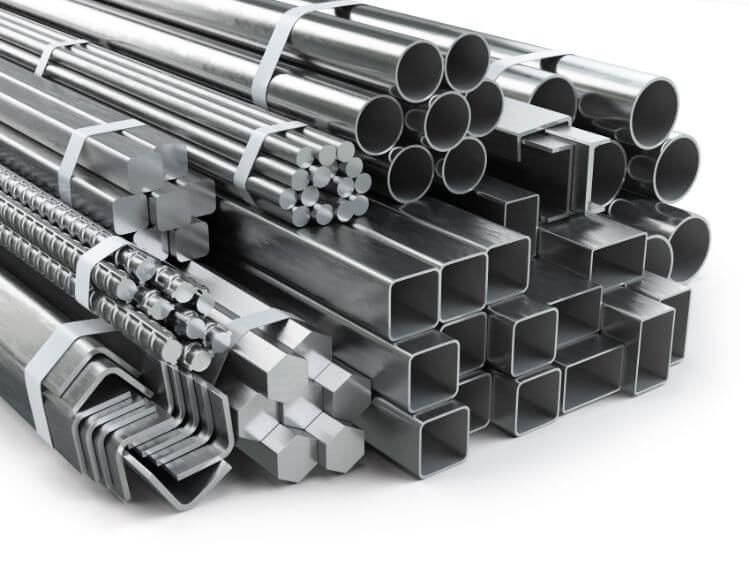
I once thought all pipes were round, but boy, was I wrong! I’ve seen:
- Round (the classic)
- Rectangular and square (perfect for ductwork in buildings)
- Polygonal (hexagonal pipes in a chemical plant fascinated me)
- Elliptic and droplet-shaped (used in aerospace – who knew?)
Wall Thickness: It’s Complicated
The variety in wall thickness surprised me:
- Fixed thickness (most common)
- Varying thickness (for specialized applications)
- Pipes with ribs (internal or external, straight or spiral)
I even saw pipes with ribs wound and welded from tapes – it looked like something out of a sci-fi novel!
Division of Pipes Based on the Applied Protective Surface Coating

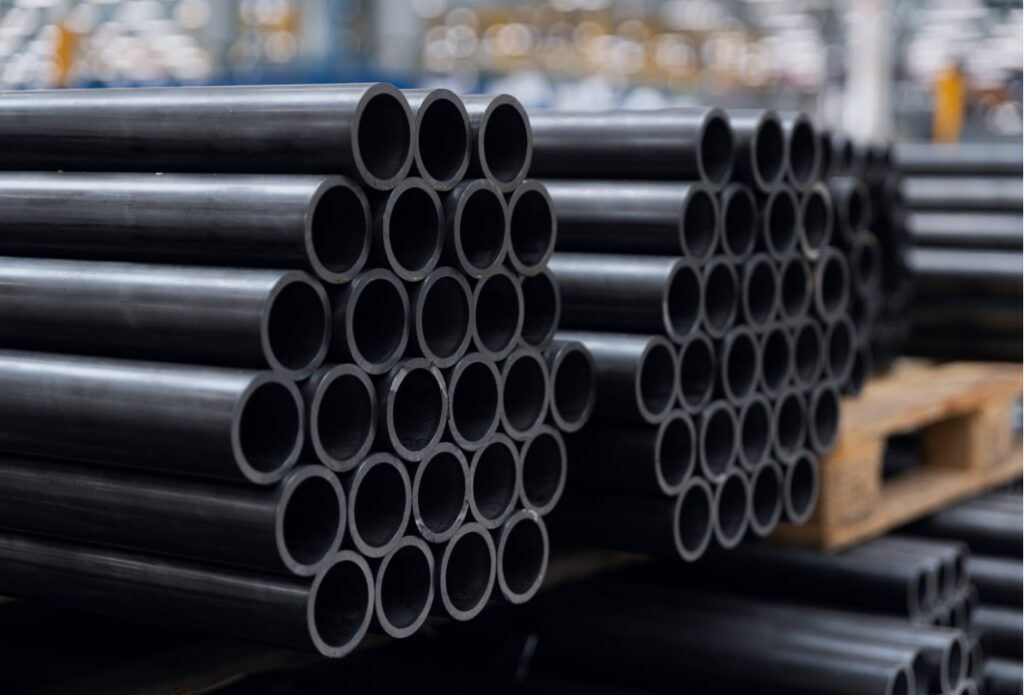
Most of the pipes are produced without a protective coating. This group includes black and white pipes.
- Black pipes represent the greatest produced range. Their surface is covered with a thin layer of oxides and scale. A thin layer of corrosion may also be present. They are protected against corrosion after completion of a system, or they are used without paint coatings, such as pipes in boilers, due to temperatures.
- White pipes these are mostly structural pipes satisfying high surface quality requirements. They are cold-treated, hot treatment is possible within a protective atmosphere, and they require post-treatment cleaning. Protective greases may cover white pipes.
Depending on the type of a protective coating, two types of pipes are distinguished:
- Pipes with metallic protective coatings: these are mostly galvanized pipes used in hot and cold water systems. Such pipes are exposed to the corrosive properties of water and are frequently covered with a double galvanized coating. Coatings, including other metals, are also used – especially for industrial pipes.
- Pipes with non-metallic coatings: (enameled, lacquered or coated with asphalt). Enameled pipes are used mostly in the chemical sector. Asphalt coated pipes have large diameters and are applied in the construction of long-range pipelines of water, gas or petroleum.
Moreover, there are pipes with protective lining: ceramic or plastic compounds (rubber, PVC), as well as plated pipes coated with high-strength metal coating. Protective lining of ceramics or rubber must be applied on pipes subjected to severe abrasion, present e.g. during transport of water and quartz mixes. Plated pipes and pipes with lining of plastics are mostly used in the chemical sector. This reduces the use of stainless steel and minimizes the overall system costs and extension of its life.
Division of Pipes Based on Production Technology

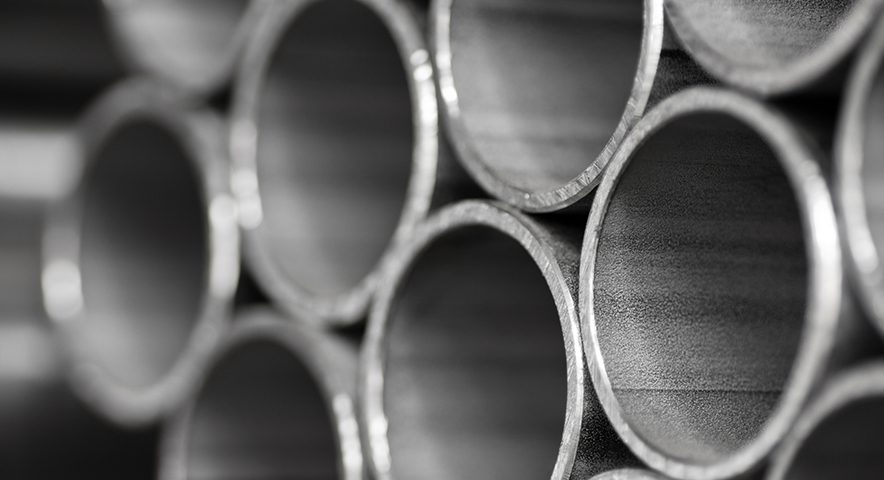
I discovered two main “families” in the pipe world: seamless stainless steel pipes and welded pipes from Stainless Europe. Each has its own “personality” shaped by hot or cold production methods.
Seamless Pipes: The Solid Performers
Seamless pipes are like the gymnasts of the pipe world – flexible in production but with limits:
- They can be made up to 508 mm in diameter
- Anything between 500-800 mm is rare
- Beyond 800 mm? That’s welded pipe territory.
I was surprised to learn that hot-rolled pipes start at about 20 mm in diameter. They’re a bit rough around the edges, but they get the job done. Cold-rolled pipes, on the other hand, are the precision artists. They’re smaller (3-200 mm) but oh so accurate!
Welded Pipes: The Joined Forces
Welded pipes come in two flavors:
- Pressure welded (think electrical resistance or induction)
- Arc welded (with argon or hydrogen as shields)
Here’s a cool fact: small-diameter pipes have straight seams, while the big ones sport spiral seams. It’s like they’re wearing pinstripes or plaid!
The Origins of Steel Pipes Production

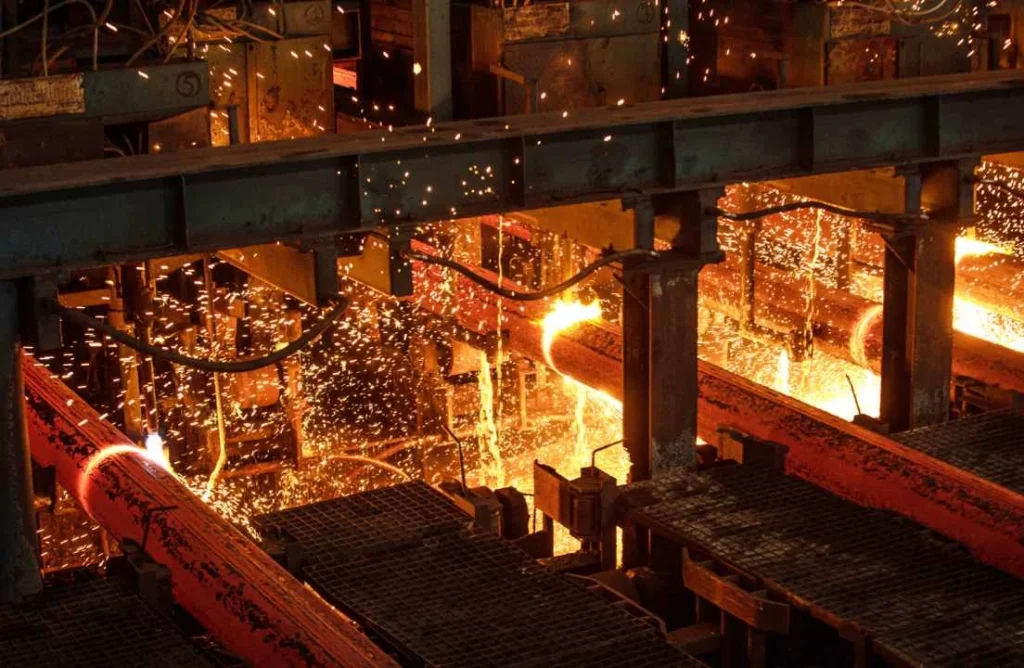
Before the 19th century, pipes were mainly made of soft metals like lead. Can you imagine a world without steel pipes? I couldn’t!
London’s Bright Idea
The game-changer came around 1815 in London. Picture this: the first gas lighting installation in the world, made from connected rifle barrels! It was like something out of a steampunk novel. This sparked a huge demand for steel pipes.
The Birth of Modern Pipes
- 1825: Britain patents butt-welded pipes up to 76 mm in diameter
- 1842: Pressure-welded pipes with overlap hit the scene, reaching 305 mm
It was like a pipe revolution!
Standardization: The Unsung Hero
- 1841: Whitworth standard introduced in Britain for pipe threads
- 1862: USA catches up with the Briggs thread
These standards are still used today, with only minor tweaks. It’s amazing how something invented nearly 200 years ago still shapes our world!
Steel Pipes Based on Application
It’s amazing how many factors go into categorizing these seemingly simple objects! Here’s a table I put together to help me keep it all straight:
| Classification Criteria | What It Means (in my writer’s words) |
|---|---|
| How the pipe is finished – think of it as the pipe’s “outfit.” | What the pipe is used for – like plumbing, oil transport, or construction |
| Production Method | How it’s made – seamless or welded, hot or cold rolled |
| Cross-section Shape | The pipe’s profile – round, square, or even fancy shapes like elliptical |
| Protection Film and Surface Quality | How the pipe is finished – think of it as the pipe’s “outfit” |
| Pipe Ends Treatment | How the ends are prepared – threaded, smooth, or flanged |
| Steel Grades | The type of steel used – like choosing the right fabric for a garment |
| Acceptance Test Scope | How rigorously it’s tested – think of it as quality control |
| Production Precision | How accurately it’s made – like the difference between off-the-rack and tailored clothes |