


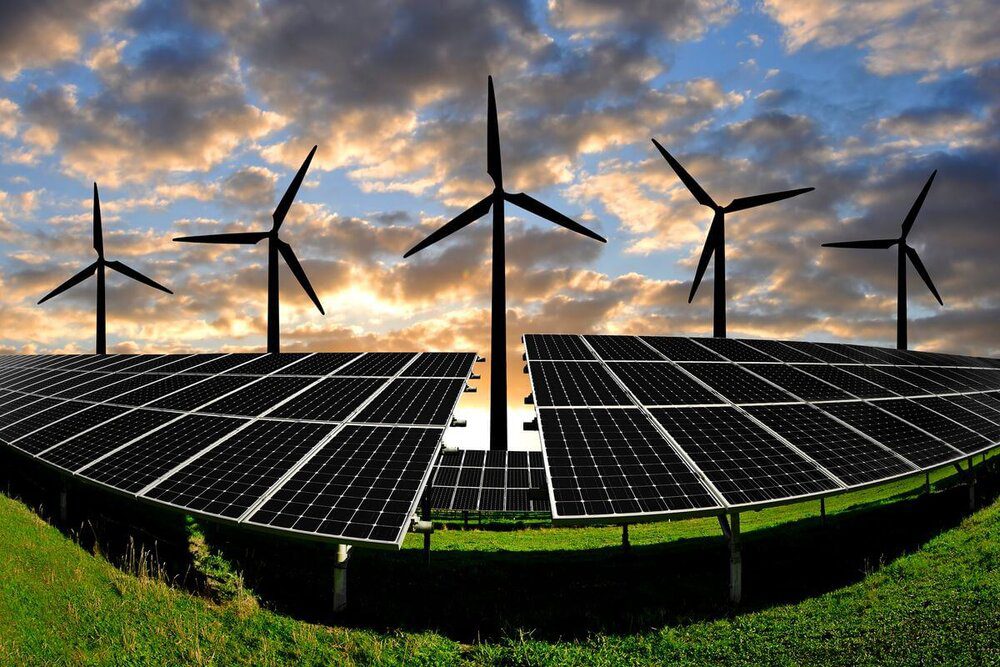
One of the ways you can assist in reversing the effects of climate change is to start using renewable energy. You can use it for many things, including powering your machines, lighting your offices, heating your home, etc.
Remember that renewable energy, such as biomass, wind, and sunlight, can be replenished regularly and naturally. You need to use renewable energy for many good reasons, including decreasing reliance on fossil fuels like oil and coal. This article discusses the different sources of renewable energy you need to know.
Wind Power
Today, there are many wind farms across the country. Wind turbines can produce enough energy for offshore and land-based farms. While wind turbines are controversial due to their size, many still consider them. This is why there is a good chance that wind power investment will continue to increase for many years.
Something is mesmerizing about watching wind turbines spin lazily on the horizon. These gentle giants are hard at work, converting wind’s kinetic energy into electricity.
Wind power has grown significantly recently, with both onshore and offshore wind farms becoming more common. Some benefits of wind energy include:
- No fuel costs once installed
- Can be built on existing farms or grazing land
- Offshore wind farms don’t take up land space
- Technology is continuously improving, increasing efficiency
However, wind power does face challenges such as intermittency (the wind doesn’t always blow) and potential impacts on wildlife, particularly birds and bats.
Solar Power
For years, solar energy has been converted to power. This has been happening for years since greenhouses were discovered. Many solar technologies are being developed, such as solar panels, photovoltaic cells, and solar thermal collectors. Therefore, this renewable energy has become one of the ways to meet your heating and electricity needs.
You can use solar panels on your roof to produce electricity. This electricity can get into the grid so that you can address both your commercial and domestic concerns.
There is also solar thermal technology that you can use to heat water for your business. The good thing is that you can find this renewable energy source in many places. This is undoubtedly the cheapest and most effective way to get heating for your home.
Biomass Energy
Biomass refers to plant material that you can burn as fuel or convert to biofuels to drive cars or machinery. The most common biomass material you can use for fuel is wood. You can find it in a low-carbon boiler that produces hot water and heating for your home.
Many businesses and homes now use these systems to replace oil, coal, and gas heating systems. Check Utility Bidder to find biomass energy suppliers for your business or home. Biofuels can be produced from various organisms to produce fossil fuels like petrol. There is good evidence showing that biofuel can power vehicles and other machines.
Hydropower
Another popular renewable energy source is called hydropower. People have always used the running water of lakes and rivers on high land to put power stations. Even better, companies are now developing smaller power systems that make a huge difference in renewable energy.
There are several types of hydropower systems:
- Large-scale dams
- Run-of-river systems
- Pumped storage facilities
- Tidal power plants
While hydropower provides consistent, low-emission electricity, the construction of large dams can have significant environmental and social impacts, including habitat disruption and displacement of communities.
As you can see, several renewable energy sources are out there. Regardless of this energy source, dealing with a reputable and reliable energy supplier is important. This way, you can be confident that you are getting the best energy rates that fit your business’s size and type.
Geothermal Energy
Deep beneath our feet, the Earth’s core generates enormous heat. Geothermal energy taps into this heat to produce electricity and provide direct heating.
Geothermal power plants typically fall into three categories:
| Type | Description | Typical Use |
|---|---|---|
| Dry Steam | Uses steam directly from underground reservoirs | Electricity generation |
| Flash Steam | Uses high-pressure hot water to produce steam | Electricity generation |
| Binary Cycle | Uses moderate-temperature water to heat a secondary fluid | Electricity generation and direct heating |
Geothermal energy is particularly attractive because it provides a constant, reliable power source, unlike other renewable sources. However, it’s limited to areas with suitable geological conditions.
The Road Ahead
As we look to a future powered by renewable energy, it’s clear that no single source will be the answer. Instead, we’ll need to use a combination of these technologies tailored to the resources and needs of each region.
Advances in energy storage, smart grids, and improved forecasting will help overcome the intermittency issues associated with some renewable sources. And as technology improves and costs decrease, renewable energy will become increasingly competitive with fossil fuels.
The transition to renewable energy is not just about technology—it’s about reimagining our relationship with energy and our planet. By embracing these clean, sustainable power sources, we can work towards a greener, more sustainable future for future generations.