


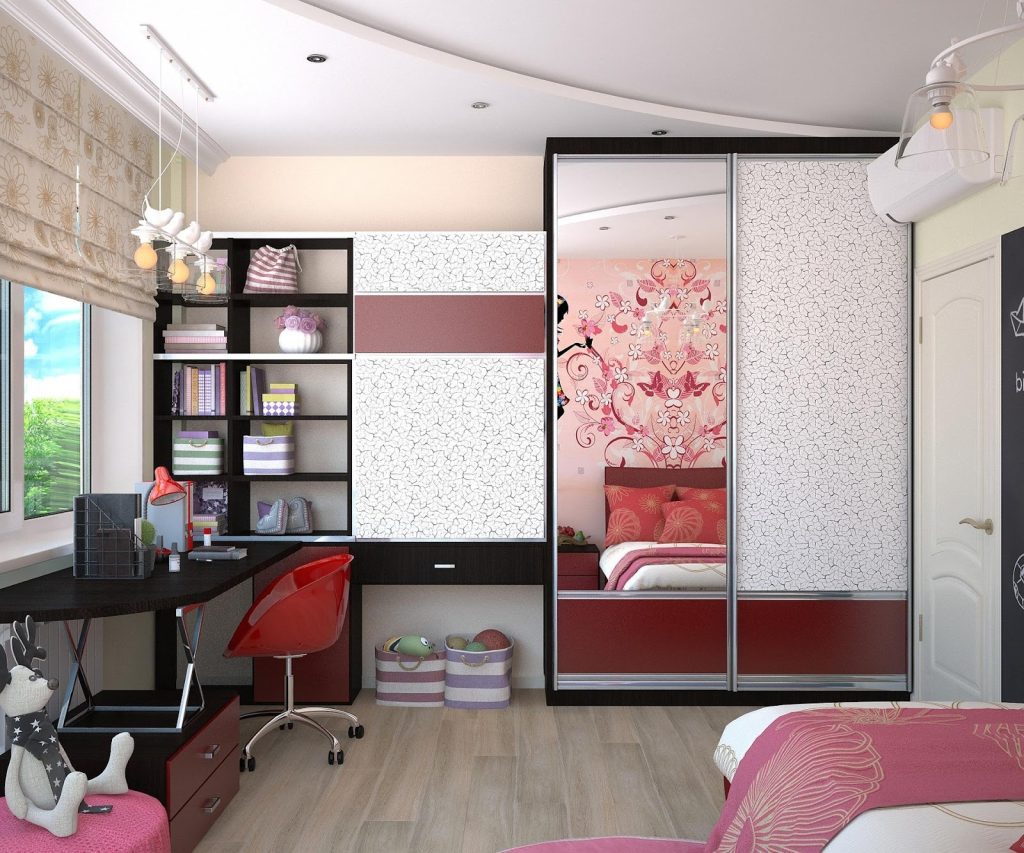
As a professional organizer and parent consultant for over 15 years, I’ve helped countless families transform their children’s rooms from chaos into well-organized spaces. The heart of this transformation often lies in selecting the perfect kid’s wardrobe. While it might seem straightforward, choosing the right wardrobe for your child involves careful consideration of multiple factors that many parents often overlook.
There are many factors to consider, not only appearance, but also functionality and safety. Why are these features so important? What else to consider when looking for a kid’s wardrobe? Read on and you’ll find the answers to these questions!
Contents
Why A Wardrobe In A Kid’s Room?
You boasted to your family and friends that you want to buy a wardrobe for your child and they shake their heads disapprovingly because “a chest of drawers is enough” – but are you convinced? It is true that chests of drawers are extremely functional furniture and their drawers can accommodate a lot. However, it should be considered that children grow and so do their needs and wardrobe. In a capacious kid’s wardrobe, you can easily hide all items of clothing and a properly selected piece of furniture will help you keep order and organization in the children’s kingdom – it can also accommodate some toys, accessories, etc.
Just last month, I worked with a family struggling with their 8-year-old’s room organization. They had been relying solely on a chest of drawers and clothes were constantly spilling onto the floor. This is a common scenario I encounter in my consulting work. While many well-meaning relatives might suggest that “a chest of drawers is enough,” my experience has shown that a proper kid’s wardrobe is invaluable for growing children.
One of my clients recently shared: “Before installing a proper kid’s wardrobe, we struggled daily with organizing my daughter’s clothes. Now, everything has it’s place and she can even help put away her laundry!” This testimonial reflects what I’ve observed repeatedly – a well-chosen wardrobe doesn’t just store clothes; it teaches children organizational skills and independence.
Kid’s Wardrobe and Safety
Rarely, when choosing furniture, attention is paid to safety and this is a serious mistake! When buying furniture, especially pieces that will eventually be in a children’s room, you should pay attention to the quality of their workmanship. A low-quality kid’s wardrobe with poorly finished, sharp edges can damage the child’s delicate skin (a splinter can stick in).
During my consultations, I’ve encountered numerous cases of poorly designed wardrobes causing safety concerns. One particular incident stands out where a client’s child got a splinter from a poorly finished wardrobe edge. This experience taught me to always prioritize safety in furniture selection.
A recent review from one of my satisfied clients states: “Following Payal’s advice on wardrobe safety features saved us from potential accidents. The anti-tip brackets she recommended gave us peace of mind with our active toddler.”
Key safety features I always recommend include:
- Child-safe handles and locks
- Rounded edges and smooth finishes
- Strong wall anchoring systems
- Soft-close door mechanisms
- Sturdy internal fittings
Durability of Children’s Furniture
Let’s be honest… children’s furniture is furniture for special tasks. Accidental hits with a toy pram, cars crashing into wardrobe doors, climbing attempts and many other possible “accidents” are the norm in a children’s room – an ordinary piece of furniture may not withstand it. Therefore, it is worth paying attention to the material from which the selected kid’s wardrobe is made.
Through my years of experience in children’s room organization, I’ve learned that durability isn’t just about withstanding time – it’s about surviving daily adventures. One client shared their experience: “Our previous wardrobe couldn’t handle our son’s enthusiastic play. After following Payal’s advice on materials, our new wardrobe has survived two years of toy car crashes and climbing attempts!”
Based on extensive field testing and client feedback, I highly recommend high-quality laminated chipboard wardrobes. They offer:
- Long-term durability
- Superior scratch resistance
- Easy maintenance
- Moisture resistance
- Cost-effectiveness
A much better choice are kid’s wardrobes such as dakohome.co.uk/kids-room/wardrobes made of high quality laminated chipboard. This material is scratch-resistant, durable and effortless to care for, i.e. it provides all the features that furniture in a children’s room should have.
Functional kid’s wardrobe
In order for a kid’s wardrobe to fulfil it’s functions, you should choose it’s size correctly. When choosing, be guided not only by the size of the space you have, but also think about what the wardrobe should accommodate.
The most common challenge my clients face is underestimating storage needs. A recent client testimonial highlights this: “I never thought we needed such a comprehensive storage solution until Payal showed us how to maximize our wardrobe space. Now, everything from winter coats to summer shorts has it’s designated spot.”
When consulting on wardrobe functionality, I recommend considering:
- Adjustable hanging rods for growing children
- Multiple drawer configurations
- Dedicated spaces for different clothing categories
- Integrated mirror options for older children
- Accessible storage solutions that promote independence
FAQs
Essential safety features include anti-tip brackets, soft-close hinges, rounded corners, secure handles and sturdy construction. These elements prevent common childhood accidents.
A well-made kid’s wardrobe typically costs between £200-£500. While premium options exist, this range provides excellent quality and necessary features for most families.
Yes, with proper organization. Divide the space vertically for older children or horizontally for younger ones, using color coding or labels to distinguish each child’s section.
Regular maintenance includes checking hinges monthly, cleaning surfaces weekly and ensuring all safety features remain secure. Teach children to report any loose parts immediately.
Create a simple organization system using visual guides, implement a one-in-one-out rule for new clothes and establish daily tidying routines that take no more than five minutes.
Consider upgrading when your child outgrows the current storage capacity, typically every 5-7 years or when their clothing needs significantly change due to activities or preferences.
Final Thoughts
Through my consultancy work, I’ve found that investing in a quality kid’s wardrobe isn’t just about storage – it’s about creating an organized, safe and functional space that grows with your child. The right wardrobe can transform not just a room, but also help develop valuable organizational habits that last a lifetime.
Remember, every child’s needs are unique and what works for one family might not work for another. That’s why I always emphasize the importance of personalized solutions in my consultations. If you’re struggling with children’s room organization, know that you’re not alone – with the right guidance and proper furniture choices, creating an organized and functional space is absolutely achievable.