


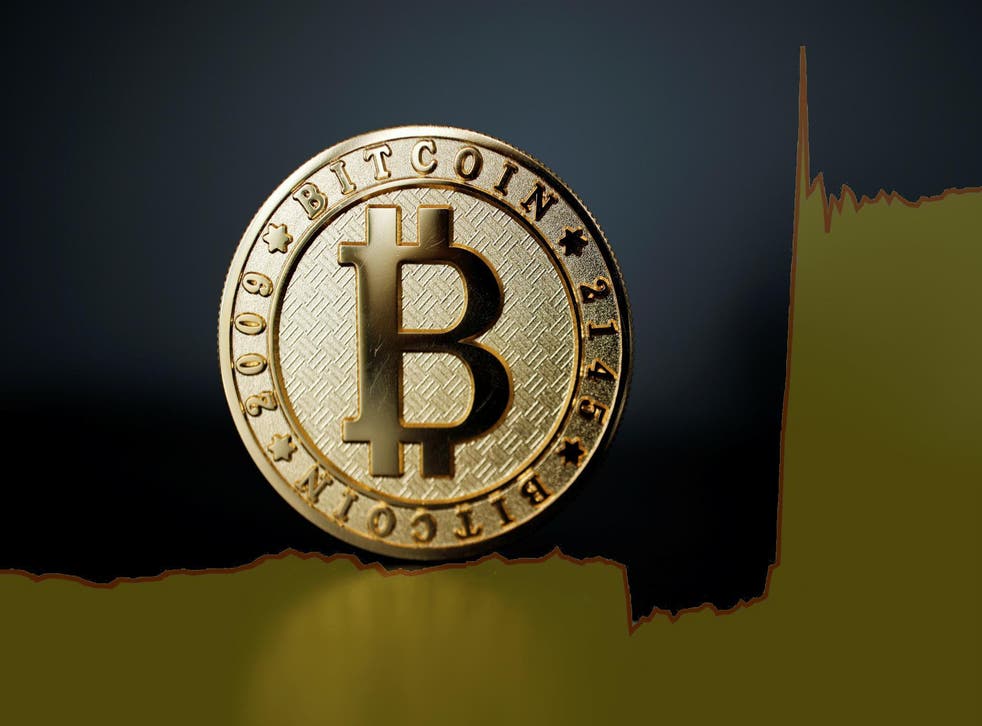
In a world where traditional currencies are subject to inflation, geopolitical instability, and the whims of central banks, Bitcoin has emerged as a unique and intriguing alternative. But what gives Bitcoin its value? How can a digital currency with no physical form, no central authority, and no intrinsic value command the attention and investment of millions worldwide? In this article, we’ll explore the factors that contribute to Bitcoin’s value and examine the fascinating world of cryptocurrency and blockchain technology. So buckle up, and get ready to dive into the exciting and ever-evolving world of Bitcoin.
Contents
- 1 What is Bitcoin?
- 2 Emergence of Bitcoin
- 3 What gives Bitcoin its value?
- 4 How is Bitcoin’s value calculated?
- 5 What can increase the value of Bitcoin?
- 6 How can Bitcoin make you money?
- 7 What makes Bitcoin’s value go up and down?
- 8 What factors should you consider before investing in Bitcoin?
- 9 Here are some key factors to consider:
- 10 Conclusion
What is Bitcoin?
In a world where digital technology is rapidly changing how we live, work, and play, it’s no surprise that digital currencies are emerging as a new way of doing business. At the forefront of this digital revolution is Bitcoin, a decentralized, peer-to-peer cryptocurrency that has captured the imagination of investors and tech enthusiasts alike. At its core, Bitcoin is a digital currency operating on a decentralized network, meaning it is not controlled by any single entity, such as a government or central bank. Instead, it is powered by a network of computers that work together to validate transactions and maintain the integrity of the currency. This decentralized model gives Bitcoin several advantages over traditional fiat currencies, including greater security, transparency, and privacy.
However, its limited supply sets Bitcoin apart from other digital currencies. Unlike fiat currencies that can be printed at will, Bitcoin has a fixed supply of 21 million coins. This means that as demand for Bitcoin increases, its value will also likely increase.
Emergence of Bitcoin
Bitcoin’s emergence as a new form of currency has not been without controversy. Its decentralized nature and lack of regulation have raised concerns about its potential for use in illicit activities, such as money laundering and drug trafficking. However, advocates of Bitcoin argue that its benefits far outweigh the risks and that it has the potential to revolutionize the way we think about money and finance.
As the world continues to move towards a more digital and decentralized future, Bitcoin is poised to play an increasingly important role in shaping the financial landscape. Whether you are a seasoned investor or simply curious about this new frontier in finance, understanding the concept of Bitcoin is crucial for staying ahead of the curve. So join us as we get deeper into the world of Bitcoin, and explore the many possibilities and challenges that lie ahead.
What gives Bitcoin its value?
Bitcoin’s value is a topic of much debate and speculation in the financial world. While some people view it as a revolutionary new asset with unlimited potential, others dismiss it as a speculative bubble waiting to burst. So, what gives Bitcoin its value?
Here are factors that contribute to Bitcoin’s value:
Supply and Demand
Like any asset or currency, Bitcoin’s value is determined by the forces of supply and demand. With a limited supply of only 21 million coins, Bitcoin’s scarcity gives it value as more people become interested in buying and holding Bitcoin, and demand increases, driving up its price. Conversely, when demand decreases, its price falls. This fundamental law of supply and demand is one of the key drivers of Bitcoin’s value.
Network Effect and Adoption
Another important factor contributing to Bitcoin’s value is its network effect and adoption as more people use Bitcoin and accept it as a legitimate form of payment, its value increases. This is because the more people who use Bitcoin, the more valuable it becomes as a means of exchange. Additionally, as more businesses and institutions accept Bitcoin as payment, its legitimacy and mainstream acceptance increase, which in turn drives up its value.
How is Bitcoin’s value calculated?
Bitcoin’s value is determined by several factors, and its price can fluctuate rapidly and dramatically.
Here are two key methods used to calculate Bitcoin’s value:
Market Capitalization
One popular way to determine Bitcoin’s value is to calculate its market capitalization. This is done by multiplying the total number of Bitcoins in circulation by their current market price. For example, if there are 18.5 million Bitcoins in circulation and the current market price is $50,000, the market capitalization would be $925 billion. This metric is often used to compare the value of Bitcoin to other assets, such as gold or stocks.
Trading Volume
Another important factor that can affect Bitcoin’s value is trading volume. The trading volume refers to the total number of Bitcoins that are bought and sold on exchanges within a given time frame. Generally, higher trading volumes suggest that there is greater demand for Bitcoin, which can drive up its price. Conversely, lower trading volumes may indicate that demand is decreasing, which can cause its price to fall.
It’s important to note that Bitcoin’s value is also subject to other external factors such as government regulation, investor sentiment, and global economic conditions. As such, its price can be highly volatile and unpredictable. However, by understanding these key methods of calculating its value, investors and traders can make more informed decisions when buying or selling Bitcoin.
What can increase the value of Bitcoin?
Bitcoin’s value can be influenced by various factors, from global economic conditions to regulatory developments.
Here are some key factors that can increase the value of Bitcoin:
Adoption and Acceptance
One of the most significant factors that can drive up Bitcoin’s value is increased adoption and acceptance. As more merchants, businesses, and institutions accept Bitcoin as payment, it becomes more mainstream and legitimate. This, in turn, can increase Bitcoin demand and drive its price. Additionally, as more individuals start using Bitcoin for daily transactions, its utility and perceived value increase, which can further drive up its value.
Scarcity and Halving
Bitcoin’s supply is limited to 21 million coins, which makes it inherently scarce. As the demand for Bitcoin increases, its scarcity becomes even more valuable, which can drive up its price. Additionally, Bitcoin undergoes a “halving” event every four years, where the number of new Bitcoins created through mining is cut in half. This creates an artificial scarcity as the rate at which new Bitcoins are created slows down. This scarcity can further increase Bitcoin’s perceived value.
Institutional Adoption
In recent years, more institutions have started to invest in Bitcoin, which can increase its value. Institutional investors such as hedge funds, pension funds, and mutual funds have started to add Bitcoin to their portfolios as a hedge against inflation and a potential store of value. This institutional adoption can drive up demand for Bitcoin and drive up its price.
Government Policies and Regulations
Government policies and regulations can also play a significant role in increasing Bitcoin’s value. Positive government policies such as tax incentives, favourable regulatory environments, and government support for blockchain technology can increase the adoption and acceptance of Bitcoin, which can drive up its value. Conversely, negative policies such as bans or harsh regulatory environments can decrease adoption and acceptance, which can drive down Bitcoin’s value.
Increased adoption and acceptance, scarcity and halving, institutional adoption, and government policies and regulations can increase Bitcoin’s value. However, it’s important to note that Bitcoin’s value is also subject to market volatility and external factors, and investors should exercise caution and do their due diligence before investing in Bitcoin.
How can Bitcoin make you money?
Bitcoin can make you money in several ways, including:
- Trading: One way to make money with Bitcoin is through trading. This involves buying Bitcoin at a lower price and selling it at a higher price. Bitcoin’s high volatility can allow traders to profit from short-term price movements. However, trading can also be risky, and investors should exercise caution and have a sound trading strategy in place.
- Mining: Another way to make money with Bitcoin is through mining. Bitcoin mining involves using specialized computer hardware to solve complex mathematical problems that validate transactions on the Bitcoin network. Miners are rewarded with new Bitcoin for each block of transactions they validate. However, mining can be costly and requires significant upfront investment in hardware and electricity costs.
- Investing: Investing in Bitcoin can also be a way to make money. Bitcoin’s value has historically appreciated over time, and long-term investors may see significant returns on their investment. However, investing in Bitcoin also carries risks, and investors should carefully consider their risk tolerance and investment goals before investing.
- Accepting Bitcoin as Payment: If you are a business owner, accepting Bitcoin as payment can also be a way to make money. It can open up new markets and customer bases and potentially increase profits. Additionally, accepting Bitcoin can be relatively easy and cost-effective, as Bitcoin transactions are generally faster and cheaper than traditional payment methods.
What makes Bitcoin’s value go up and down?
Bitcoin’s value can be affected by various factors, including global economic and political events, government regulations, media coverage, and investor sentiment. In addition, Bitcoin’s value is highly volatile, meaning that it can experience significant price swings quickly. This volatility is due to the fact that Bitcoin is a relatively new and untested asset, which can make it more vulnerable to sudden shifts in demand and sentiment.
Bitcoin’s value can go up and down due to a variety of factors, including:
- Market Demand and Supply: Like any other asset, Bitcoin’s value is subject to the laws of supply and demand. When demand for Bitcoin is high, and the supply is limited, the price increases, and vice versa.
- News and Events: Bitcoin’s value can also be affected by news and events that impact public sentiment towards the cryptocurrency. Positive news, such as announcements of new partnerships or technological developments, can increase demand and the price. On the other hand, negative news, such as reports of hacking or regulatory crackdowns, can decrease demand and cause the price to fall.
- Mining Difficulty and Halving: Bitcoin’s mining difficulty and halving events can also impact its value. The difficulty of mining Bitcoin can affect the supply of new coins entering the market, impacting the price. The halving event, which occurs every four years and cuts the amount of new Bitcoin issued in half, can also affect the supply of Bitcoin and create scarcity, which can drive up the price.
- Competition from other Cryptocurrencies: Bitcoin faces competition from other cryptocurrencies, which can impact its value. When other cryptocurrencies gain popularity, demand for Bitcoin may decrease, causing its price to fall.
- Government Policies and Regulations: Government policies and regulations can also impact the value of Bitcoin. Favourable policies, such as tax incentives and government support for blockchain technology, can increase adoption and demand. Conversely, negative policies, such as regulatory crackdowns or bans, can decrease adoption and drive down the market and the price of Bitcoin.
What factors should you consider before investing in Bitcoin?
Before investing in Bitcoin, it’s important to consider several factors such as your risk tolerance, investment goals, and market conditions. Bitcoin is a highly volatile and speculative asset, which means that it’s important to invest only what you can afford to lose. You should also be aware of the potential risks and downsides of investing in Bitcoin, such as its lack of regulation and potential for hacking attacks. It’s also important to keep up with the latest news and developments in the Bitcoin ecosystem, including any changes in government regulations and shifts in market sentiment.
Here are some key factors to consider:
Volatility
Bitcoin is known for its high volatility, which means its price can fluctuate significantly in a short period of time. This can make Bitcoin a risky investment, as its price can quickly rise or fall.
Liquidity
Bitcoin is a relatively new asset, and its liquidity may not be as high as traditional investments. This means that it may be difficult to buy or sell Bitcoin at the desired price, especially during times of high volatility.
Security
Bitcoin is stored in digital wallets, which can be vulnerable to hacking and cyber attacks. It’s important to take steps to ensure the security of your Bitcoin holdings, such as using a reputable wallet provider and keeping your private keys safe.
Regulation
Bitcoin is not currently regulated by governments, and its legal status can vary from country to country. It’s important to understand the regulatory environment for Bitcoin in your country and any potential risks associated with investing in an unregulated asset.
Technology
Bitcoin is based on blockchain technology, which is still relatively new and undergoing rapid development. It’s important to understand the technology behind Bitcoin and its potential applications and limitations.
Diversification
As with any investment, it’s important to consider diversification. Investing solely in Bitcoin can be risky, and it may be prudent to consider a diverse portfolio of investments.
In addition, you should consider the fees and risks associated with buying and storing Bitcoin. Bitcoin transactions can be subject to high fees and long processing times, especially during periods of high demand. Storing Bitcoin requires a digital wallet, which can be vulnerable to hacking or other security breaches. It’s important to choose a reputable exchange or wallet provider and take appropriate security measures to protect your Bitcoin assets.
Conclusion
In conclusion, Bitcoin’s value is based on its decentralized nature, limited supply, and increasing adoption. Its value is determined by market forces of supply and demand and can be influenced by various factors such as media coverage, government regulations, and economic stability. Bitcoin offers several opportunities for making money, including buying and holding as an investment, trading on exchanges, and mining. However, investing in Bitcoin also comes with significant risks and downsides, which should be carefully considered before making any investment decisions. Overall, Bitcoin remains an exciting and dynamic asset with the potential for significant growth and innovation in the future.