


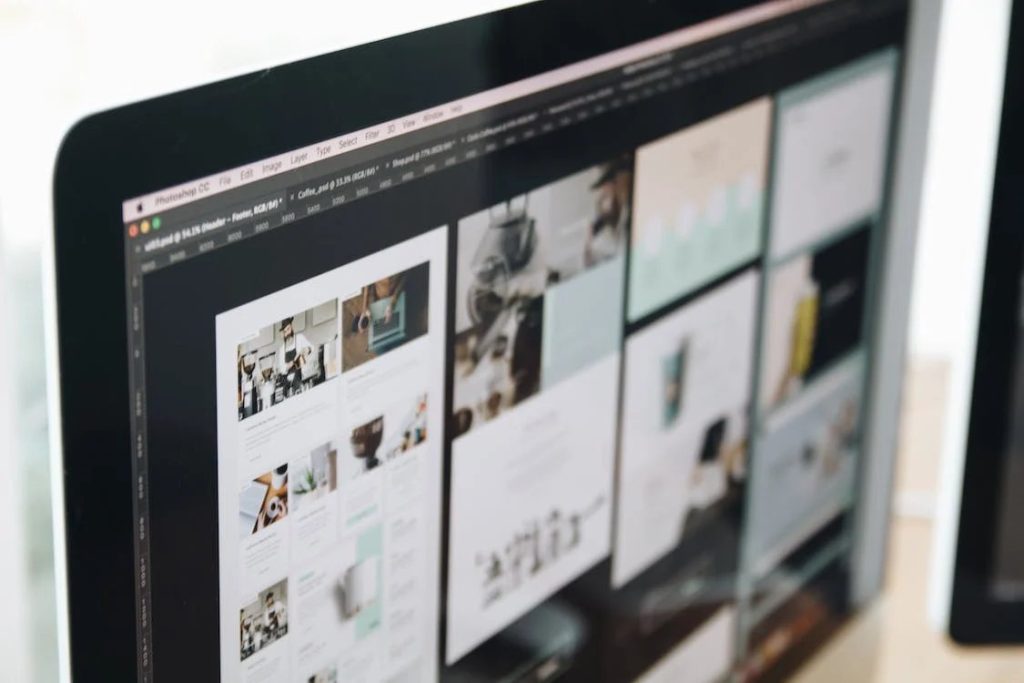
What is Graphic Designing? Graphic designing is the process of creating and arranging visual content to communicate specific messages. We use various images, typography, colors, shapes and layouts to make it easier for people to understand and connect with what a brand or organization has to say. In most cases, designers work with digital tools to produce everything from business cards to complex web layouts. It often involves a blend of creativity and problem-solving, as each design element must serve a purpose in attracting attention and reinforcing a certain message.
One of the main ideas behind graphic designing is to create something that is not just pretty to look at, but also easy for the audience to digest. Our goal is to produce designs that guide viewers through information in a clear and enjoyable way. That can mean creating logos that stick in people’s minds, designing brochures that spark curiosity or crafting social media images that encourage people to stop scrolling and learn more.
Over the years, graphic designing has grown into a vast field with many specializations. Some designers focus on brand identity, others on user interface design and many branch out into marketing. The modern approach to designing also includes editing images, formatting print materials and ensuring every design is consistent across platforms. By using the right Graphic Design Services, businesses can develop a strong visual presence that sets them apart from competitors and connects with their target audience in a meaningful way. This content is created in mutal collaboration with Penji (Hire Graphic Designers | Penji), it is an on-demand and unlimited design service upgrading the way you work.
Contents
What are the Main Purposes of Graphic Design?

1. Grabbing Attention with Eye-Catching Visuals
Graphic design allows us to capture attention by using appealing images, colors and layouts. A well-designed piece can make people pause, read and engage with the content. This initial attraction is crucial in crowded markets where businesses compete for a viewer’s limited attention.
2. Telling a Brand’s Story
A powerful design helps a brand communicate it’s values, style and personality. Whether it’s a company logo or a social media post, each visual element should reinforce the story the brand wants to tell. Strong storytelling through design builds meaningful connections with audiences.
3. Building Trust Through Consistency
People tend to trust brands that present a consistent look and feel across all platforms. By using the same fonts, colors and design standards everywhere, a brand appears unified and professional. This consistency strengthens credibility and helps a brand stand out from the competition.
4. Simplifying Complex Information
Designers often transform detailed data into charts, infographics or other visuals that are easy to understand. Presenting information in a clear, organized manner helps audiences quickly grasp the main points and stay engaged with the message.
5. Prompting Action
Strategic design elements, such as clear calls to action or highlighted offers, can encourage viewers to take specific steps like clicking a link, signing up for a newsletter or making a purchase. By guiding the viewer’s eyes and attention, graphic design becomes a powerful tool for driving conversions.
The Benefits of Graphic Design for Your Business

1. Improved Brand Recognition
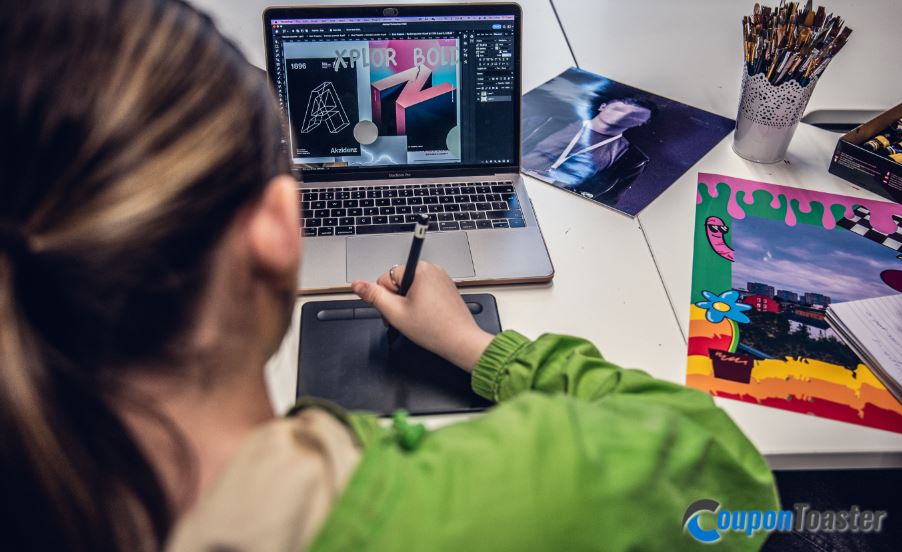
Investing in Graphic Design Services can greatly boost a business’s visibility and memorability. By using a unique logo, color scheme and set of visual elements, companies stay consistent across marketing channels. This coherence helps customers recognize and remember the brand, leading to increased customer loyalty and repeat purchases.
2. Enhanced Professional Credibility
When online posts, websites and print materials are all well-crafted, it conveys a sense of quality and attention to detail. Customers often prefer to buy from brands that look polished and professional, as it suggests trustworthiness and reliability. This positive perception can directly influence sales and strengthen the brand’s reputation.
3. More Effective Communication
Graphic design isn’t only about looking appealing; it’s about presenting messages in a way that resonates with the intended audience. A thoughtfully designed advertisement guides viewers to key points and may include a clear call to action. Visually enticing designs can also prompt people to share content, expanding the brand’s reach and exposure.
4. Time and Revenue Gains
By creating visuals that swiftly capture attention, businesses can streamline their promotions and lower the time spent on ineffective ads. Compelling designs spark interest, encourage engagement and can lead to higher conversion rates. This helps businesses maximize their marketing resources and ultimately see an increase in revenue.
Why Should You Hire a Professional Graphic Designer?

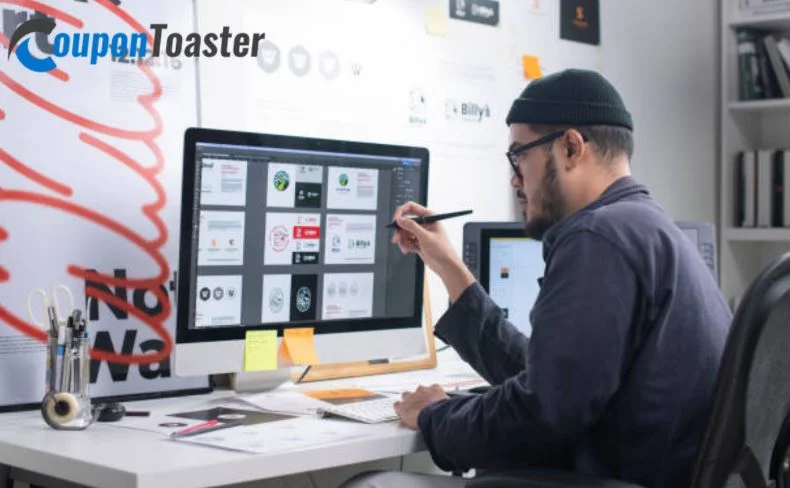
Hiring a professional designer can make all the difference when it comes to building a strong and lasting image. We may feel tempted to use low-cost or do-it-yourself design tools, but a trained designer brings expertise that ensures higher-quality outcomes. Professionals understand the principles of visual hierarchy, which help guide people’s eyes to key information. They also know how to use color psychology to create an emotional connection with viewers.
Additionally, a professional designer can maintain brand consistency across different platforms. When everything from the logo to social media images follows a similar style, your company appears more trustworthy and unified. This consistency helps customers develop a sense of familiarity and comfort, which often leads to improved loyalty and referral rates.
Professionals also handle technical details that a non-specialist might overlook. For example, they understand how to prepare files for print or online use to ensure the final product looks crisp and accurate. They know the difference between RGB and CMYK color modes, as well as how to optimize images for different devices. This expertise saves time and reduces the risk of ending up with designs that look unprofessional. Ultimately, investing in Graphic Design Services provided by a skilled designer can help a business achieve better brand visibility and set a strong foundation for future marketing efforts.
Who Needs Graphic Design Services?

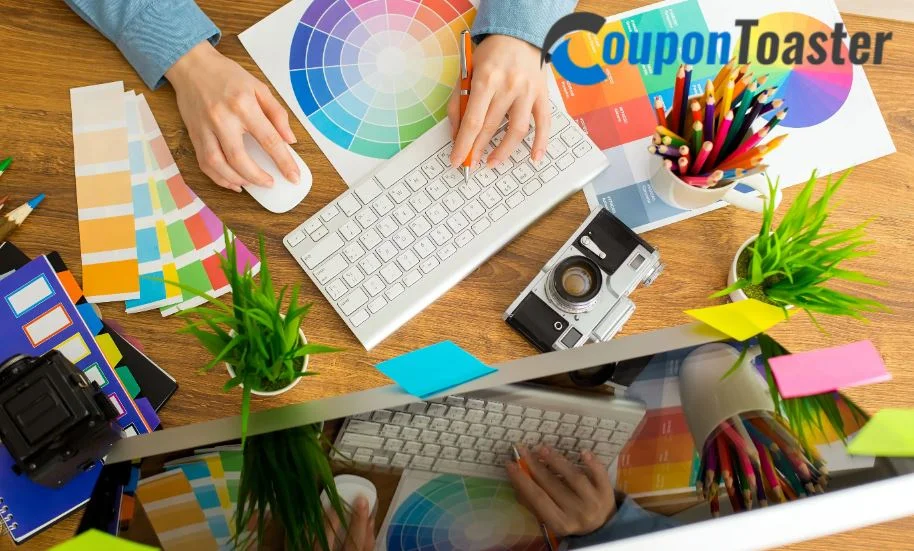
Various types of businesses and organizations can benefit from Graphic Design Services. It’s not limited to large corporations or product-based brands. In fact, any group or individual aiming to make a strong visual impression on an audience needs good graphic design. Nonprofits, for instance, might require eye-catching event posters or social media visuals to drive community engagement. Similarly, small restaurants might need menus and promotional flyers that reflect their style and entice customers to dine in.
Graphic design is also critical for online influencers or personal brands. A cohesive look on social platforms can help them attract followers and maintain a strong identity. Even startups in the tech world need design for their websites, pitch decks and mobile apps. When it comes down to it, any entity that has a message to share can benefit from clear and compelling design.
Overall, graphic design is more than just a final touch to make something “look nice.” It’s a strategic tool that makes messages clear, professional and memorable. From educational institutions needing course catalogs to event planners promoting large-scale gatherings, the right design elements can help tell a story in a way that resonates. By bringing professional Graphic Design Services into the mix, any organization can sharpen it’s visual communication, set a consistent style and stand out among competitors.
What Businesses Use Graphic Design Services the Most?

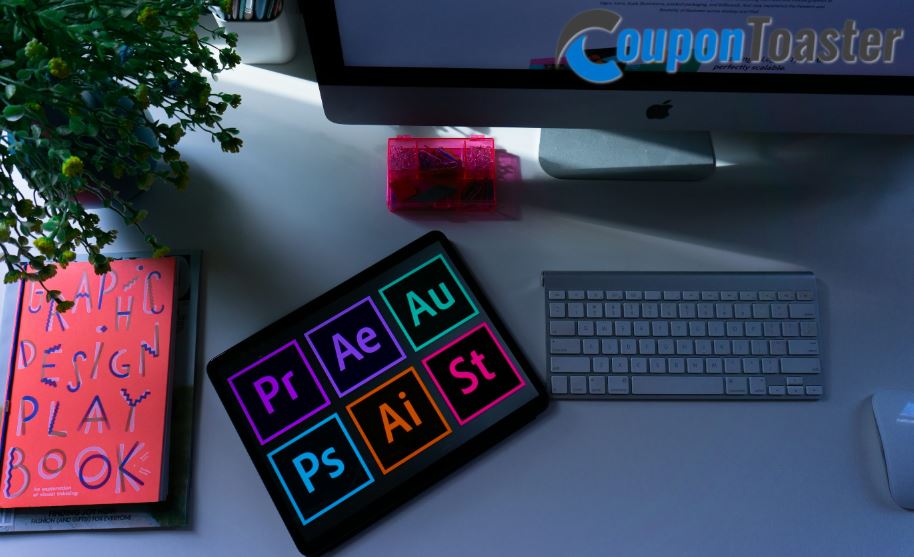
While just about any entity can benefit from good design, there are certain fields where Graphic Design Services are used more often. Marketing and advertising agencies rely heavily on design to create ads, brochures and online campaigns that capture attention. E-commerce shops frequently use design for their product listings, banner ads and email newsletters, ensuring each part of the customer’s experience is appealing.
Technology companies also make extensive use of graphic design, especially for software interfaces, app icons and user experience layouts. A clean and intuitive design can encourage more people to try a product, so it’s essential in the tech world. Meanwhile, retail brands need designers to create packaging that stands out on store shelves. This can include unique label designs, promotional signs and branded shopping bags.
Printing and publishing houses also require professionals to lay out books, magazines and newspapers in a way that is visually consistent and easy to read. In these industries, small design choices can affect how readers absorb information. Finally, the entertainment sector, including film studios and music labels, use design for movie posters, album covers and merchandise. Each of these fields depends on strong visuals that grab attention and remain in people’s minds long after they’ve seen them.
How Much for Graphic Design Services?
Costs can vary widely based on the scope of the project, the designer’s experience and your location. Small tasks like creating a simple social media image might cost less, while large projects that involve branding, packaging or website layouts often cost more. Below is a quick table showing rough estimates for different design options in the United States:
| Design Option | Approx. Cost | Description |
| Freelance Designer | $25 – $75 per hour | Usually hired for smaller tasks, flexible rates |
| Design Agency | $1,000 – $5,000+ project | Offers full-service design solutions and brand strategy |
| In-house Designer | $40,000 – $70,000/year | Good for ongoing projects, salaries vary by experience |
These figures can vary depending on the complexity of the work. Some freelancers may charge a fixed rate for a project, while others work by the hour. Design agencies might present package deals that bundle brand identity, print materials and website assets. In-house designers are often the best choice for companies with a continuous need for design support.
In the end, your choice will likely depend on your budget and how frequently you need new visuals. But remember, effective design can pay for itself by increasing brand recognition and driving sales. Good Graphic Design Services can be a powerful investment that leads to higher engagement, improved credibility and long-term results.
Summary
Strong graphic design can bring any business to life through consistent branding, professional visuals and an enhanced user experience. By understanding what graphic designing is, we learn that it’s about more than just making things look nice—it’s about communicating effectively. The main purposes of graphic design revolve around grabbing attention, simplifying information and encouraging people to connect with a brand. These goals translate into direct benefits such as better brand recognition, credibility and clearer messaging.
Hiring a professional graphic designer means gaining access to specialized skills, brand consistency and technical know-how. Any group or individual that needs to stand out can benefit from graphic design, but certain industries like marketing, retail and technology rely on it every day. Cost can vary depending on whether a business chooses a freelancer, design agency or in-house designer and each option comes with it’s own advantages.
By investing in the right Graphic Design Services, businesses can keep their message consistent, invite more engagement and ultimately see better returns on their marketing efforts. Strong visuals have the power to transform how others see your brand, helping build trust and loyalty in a crowded marketplace.