


Are you aspiring to be among the top future restaurateurs and leaders in hospitality? The restaurant business is much more than simply serving food. It’s about telling stories through cuisine, creating memorable experiences and building lifelong relationships with customers.
As an entrepreneur, your dream of opening a restaurant will require immense hard work and dedication. However, before diving headfirst into the world of delicious dishes and inviting ambiance, it is crucial to understand the business aspects involved. In this guide, we at Coupontoaster will walk you through the key considerations and provide valuable tips to help you succeed in this exciting industry.
Contents
- 1 Understand Your Market and Competition
- 2 Develop a Unique Restaurant Concept
- 3 Create a Detailed Business Plan
- 4 Select the Perfect Location
- 5 Define Your Unique Selling Proposition (USP)
- 6 Establish Your Hours of Operation
- 7 Build a Strong Management Team
- 8 Hire and Train a Dedicated Staff
- 9 Consider Additional Features and Services
- 10 Navigate Licenses, Regulations and Menu Development
- 11 FAQs
- 12 Conclusion
- 13 Summary
Understand Your Market and Competition
One of the most important steps in starting a restaurant is thoroughly researching and understanding your target market and competitive landscape. Remember, you’re not just competing with the eatery down the street, but with every other business vying for your potential customers’ disposable income.
Take the time to analyze your local market:
- Who are your target customers? Consider demographics like age, income level and dining preferences.
- What types of restaurants already exist in your area? Identify any gaps or opportunities.
- How can you differentiate your restaurant concept to stand out from the competition?
By gaining a deep understanding of your market and competition, you’ll be better equipped to make informed decisions about your restaurant’s concept, menu, pricing and location.
Develop a Unique Restaurant Concept
Your restaurant concept will serve as the foundation for every aspect of your business, from the menu and pricing to the decor and atmosphere. It’s essential to develop a clear and compelling concept that resonates with your target customers and sets you apart from competitors.
Consider the following questions when crafting your concept:
- What type of cuisine will you serve? Will it be a specific regional or ethnic cuisine or a fusion of different styles?
- What dining experience do you want to offer? Fine dining, casual dining, fast-casual or something else entirely?
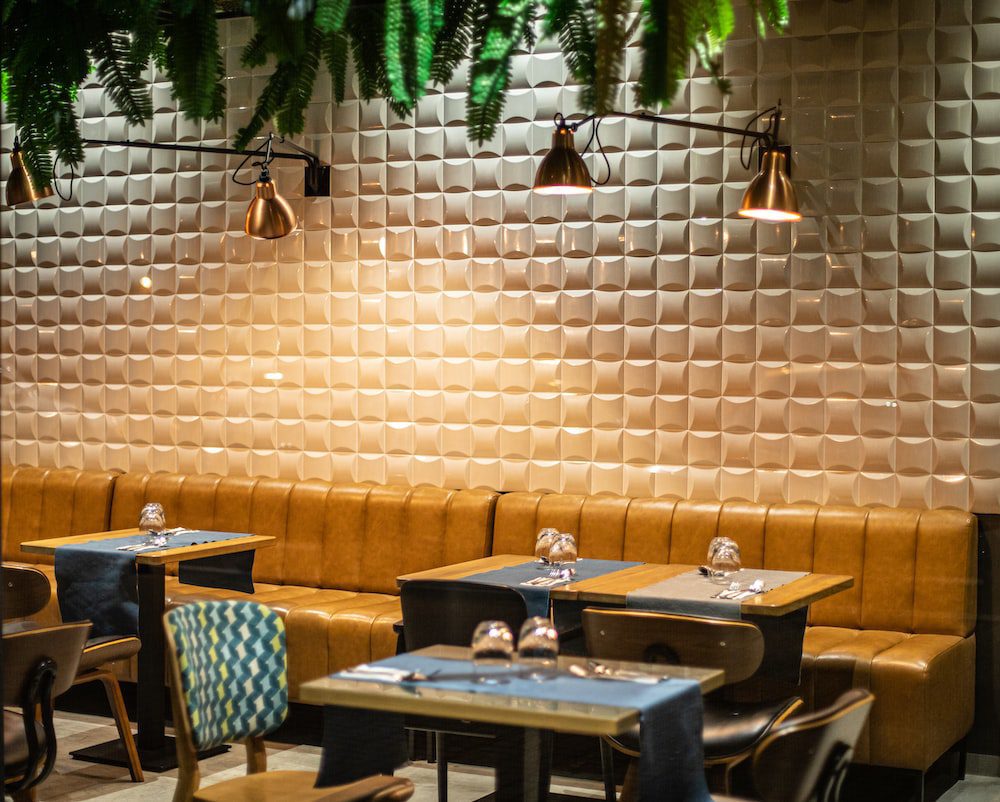
- How will your restaurant’s atmosphere and decor reflect your concept? Think about elements like lighting, color scheme and seating arrangements.
Remember, your concept should be unique and memorable, giving customers a reason to choose your restaurant over others.
Create a Detailed Business Plan
A well-crafted business plan is an indispensable tool for any aspiring restaurant owner. It will help you think through every aspect of your business, ensure you’re on the right track and serve as a roadmap for success.
Your restaurant business plan should include:
- Executive Summary: A concise overview of your restaurant concept, target market and financial projections.
- Company Description: Detailed information about your restaurant’s ownership structure, mission statement and goals.
- Market Analysis: An in-depth look at your target market, competition and industry trends.
- Menu and Food: A description of your menu offerings, pricing strategy and food sourcing.
- Marketing and Sales: Your plans for promoting your restaurant and driving sales.
- Management and Staffing: Details about your management team, staff roles and hiring plans.
- Financial Projections: Projected income statements, balance sheets and cash flow statements for the first few years of operation.
Investing time and effort into creating a business plan will pay off in the long run, helping you secure funding, make informed decisions and navigate challenges as they arise.
Select the Perfect Location
The old adage “location, location, location” holds true in the restaurant industry. Choosing the right spot for your eatery can make a significant difference in it’s success. When scouting potential locations, consider the following factors:
- Visibility and Accessibility: Your restaurant should be easy to see and reach, ideally located in an area frequented by your target customers.
- Parking: Ample and convenient parking can be a deciding factor for many diners.
- Proximity to Other Businesses: Opening your restaurant near other popular establishments can help create a destination and attract more foot traffic.
- Rent and Utilities: Ensure that the location’s rent and utility costs align with your budget and financial projections.
- Zoning and Regulations: Verify that the space is zoned for restaurant use and meets all necessary health and safety regulations.
Remember, while being located near other restaurants can be advantageous, your concept must offer something unique to stand out from the crowd.
Define Your Unique Selling Proposition (USP)
Your unique selling proposition or USP, is the distinctive quality or feature that sets your restaurant apart from the competition. It could be a one-of-a-kind culinary style, an innovative dining experience or a signature dish that no one else offers.
Consider the following examples of successful restaurant USPs:
- KFC: Known for it’s secret recipe of 11 herbs and spices, KFC has established itself as a go-to spot for fried chicken lovers worldwide.
- McDonald’s: By offering customizable burgers like the McChicken, tailored to regional preferences, McDonald’s has become a global fast-food icon.
- Chipotle: With it’s commitment to using fresh, responsibly sourced ingredients, Chipotle has differentiated itself in the fast-casual Mexican food market.
When developing your USP, think about what makes your restaurant unique and how you can effectively communicate that to potential customers through your marketing efforts.
Establish Your Hours of Operation
Determining your restaurant’s hours of operation is another crucial decision that will impact your daily operations and staffing needs. Consider the following factors when setting your hours:
- Target Market: Understand the dining habits and preferences of your target customers. Are they more likely to visit for breakfast, lunch, dinner or late-night meals?
- Location: Your restaurant’s location can influence your hours. For example, if you’re in a business district, you may want to focus on lunch and early dinner service.
- Concept: Your restaurant concept will also play a role in determining your hours. A fine dining establishment may only offer dinner service, while a 24-hour diner caters to customers around the clock.
Keep in mind that offering food delivery or takeout can extend your restaurant’s reach beyond your physical location and operating hours. Don’t hesitate to explore these options if they align with your concept and target market.
PS: there is no harm to image of the resturant of they provide food delivery there are multiple big industry giants that provide 24/7 delivery like Papa Jhons, Domino’s, Pizza Hut.
Build a Strong Management Team
A skilled and experienced management team is essential to the success of any restaurant. Your management team will be responsible for overseeing day-to-day operations, hiring and training staff and ensuring that your restaurant meets it’s goals.
When building your management team, look for individuals with the following qualities:
- Industry Experience: Seek out candidates with a proven track record in the restaurant industry, particularly in roles similar to those you’re looking to fill.
- Leadership Skills: Your management team should be able to effectively lead, motivate and inspire your staff to deliver exceptional service.
- Problem-Solving Abilities: Running a restaurant comes with it’s fair share of challenges. Your management team should be adept at identifying and resolving issues quickly and efficiently.
- Adaptability: The restaurant industry is constantly evolving and your management team should be able to adapt to changing circumstances and implement new strategies as needed.
Investing in a strong management team will help ensure that your restaurant runs smoothly, consistently delivers high-quality food and service and achieves long-term success.
Hire and Train a Dedicated Staff
Your restaurant’s staff will be the face of your business, interacting directly with customers and playing a crucial role in creating a positive dining experience. When hiring and training your staff, consider the following tips:
- Clearly Define Roles and Responsibilities: Develop detailed job descriptions for each position, outlining the specific duties and expectations for each role.
- Conduct Thorough Interviews: Take the time to interview candidates carefully, assessing their experience, skills and personality to ensure they’re a good fit for your restaurant.
- Provide Comprehensive Training: Implement a thorough training program that covers everything from food safety and sanitation to customer service and menu knowledge.
- Foster a Positive Work Environment: Create a supportive and inclusive work environment that encourages teamwork, open communication and professional growth.
- Recognize and Reward Excellence: Regularly acknowledge and reward staff members who go above and beyond, helping to build morale and retain top talent.
Remember, your staff is an extension of your brand and investing in their development and well-being will ultimately benefit your restaurant’s success.
Consider Additional Features and Services
To further enhance your restaurant’s appeal and set yourself apart from competitors, consider offering additional features and services that align with your concept and target market. Some ideas to consider include:
- QR Code Menus: Implement QR code menus to provide customers with a convenient, contactless way to browse your offerings and place orders.
- Seasonal Menu Items: Introduce seasonal dishes or drink specials to keep your menu fresh and exciting, while also capitalizing on seasonal ingredients and trends.
- Uniform Dress Code: Establish a dress code for your servers and staff that reflects your restaurant’s concept and creates a polished, professional appearance.
- Post-Meal Feedback: Encourage customers to provide feedback after their meal, either through a survey or by speaking with a manager, to continuously improve your food and service.
- Thoughtful Restaurant Layout: Design your restaurant’s layout to create a comfortable and inviting atmosphere that complements your concept and encourages customers to linger and enjoy their experience.
- Promotional Gifts: Consider offering small promotional gifts, such as branded coasters or postcards, to help spread the word about your restaurant and create a lasting impression with customers.
By incorporating these additional features and services, you’ll demonstrate your commitment to providing an exceptional dining experience and help your restaurant stand out in a competitive market.
As you prepare to open your restaurant, it’s crucial to navigate the various licenses and regulations required to operate legally and safely. This process can be complex and time-consuming, but it’s essential to ensure compliance and avoid potential legal issues down the road.
Some key licenses and regulations to consider include:
- Business License: Obtain a general business license from your local city or county government.
- Food Service License: Acquire a food service license from your local health department, which will involve an inspection of your restaurant’s kitchen and dining areas.
- Liquor License: If you plan to serve alcohol, you’ll need to obtain a liquor license from your state’s alcohol beverage control board.
- Building Permits: Secure any necessary building permits for construction or renovations to ensure compliance with local zoning and safety regulations.
In addition to licenses and regulations, developing a profitable menu that tantalizes taste buds is another critical aspect of launching your restaurant. When crafting your menu, consider the following:
- Food Cost: Carefully calculate the cost of each dish, factoring in ingredients, labor and overhead expenses to ensure adequate profit margins.
- Menu Balance: Offer a mix of high-profit and low-profit items, as well as a variety of flavors, textures and dietary options to appeal to a wide range of customers.
- Seasonality: Incorporate seasonal ingredients and dishes to keep your menu fresh and take advantage of lower-cost, high-quality produce when available.
- Presentation: Pay attention to the visual appeal of your dishes, as well-presented food can enhance the overall dining experience and encourage customers to share photos on social media.
Remember, navigating licenses, regulations and menu development is not a one-time task, but an ongoing process that requires continuous attention and adaptation as your restaurant grows and evolves.
FAQs
The cost of starting a restaurant can vary greatly depending on factors such as location, size, concept and construction needs. On average, the total startup costs for a restaurant can range from $175,000 to $750,000 or more. It’s essential to create a detailed budget and secure adequate funding before embarking on your restaurant journey.
The timeline for opening a restaurant can range from several months to over a year, depending on the complexity of your concept, the extent of construction or renovations needed and the time required to obtain necessary licenses and permits. On average, expect the process to take between 6 to 12 months from the time you secure your location to your grand opening.
When selecting a location for your restaurant, consider the following key factors:
Visibility and accessibility for your target customers
Proximity to other businesses and foot traffic generators
Availability of parking and public transportation
Demographics and income level of the surrounding area
Zoning regulations and restrictions
Rent, utilities and other overhead costs
To set your restaurant apart from the competition, focus on developing a unique selling proposition (USP). This could be a signature dish, an innovative dining experience or a commitment to using locally-sourced ingredients. Consistently communicate your USP through your marketing efforts and ensure that every aspect of your restaurant, from the decor to the service, reinforces your unique brand identity.
Conclusion
Starting a restaurant is an exciting and challenging endeavor that requires passion, dedication and a deep understanding of the industry. By following the tips and guidelines outlined in this article, you’ll be well on your way to turning your dream of owning a successful restaurant into a reality.
Remember, the key to standing out in a crowded market is not just to coexist with your competitors, but to offer something truly unique and memorable that keeps customers coming back for more. Stay focused on your vision, remain adaptable in the face of challenges and always prioritize the needs and preferences of your target market.
At Coupontoaster, we’re committed to helping aspiring restaurateurs like you navigate the complex world of restaurant ownership. We offer a wide range of resources, from industry insights and trend reports to exclusive deals and promotions for restaurant supplies and services.
Thank you for choosing Coupontoaster as your go-to source for restaurant industry knowledge and support. We wish you the best of luck in your journey to becoming a successful restaurant owner and look forward to celebrating your successes along the way!
Wisining You The Best Of Luck
Summary
This guide provides aspiring restaurateurs with essential insights and actionable tips for starting a successful restaurant business. Key topics covered include understanding the target market and competition, developing a unique restaurant concept, creating a detailed business plan, selecting the optimal location, defining a compelling unique selling proposition, establishing hours of operation, building a strong management team, hiring and training dedicated staff, incorporating additional features and services, navigating licenses and regulations and crafting a profitable menu. The guide also addresses frequently asked questions related to startup costs, timelines, location factors, differentiation strategies, licensing requirements, menu development and customer retention. By following the advice outlined in this article, entrepreneurs can lay a solid foundation for their restaurant venture and increase their chances of long-term success in the competitive hospitality industry.